10 Hidden Risks of Living Alone After 60 That Experts Say Families Should Not Ignore
Living alone after 60 can feel like freedom finally arriving with its shoes off. There is no one controlling the thermostat, no one asking what is for dinner, and no one filling the house with noise before breakfast.
But experts in aging, home safety, mental health, and geriatric care often warn that independence can hide problems until they become serious. The risk is not living alone itself. The risk is living alone without support, routine, safety checks, and honest conversations.
For many older adults, the danger is not dramatic. It is quiet. It grows in missed meals, unopened mail, ignored symptoms, loose rugs, forgotten pills, and long days where nobody asks, “Are you okay?”
Falls Can Become More Dangerous

A fall is risky at any age, but after 60, the aftermath can be much harsher. Experts often point out that living alone can delay help, especially if someone falls in the bathroom, kitchen, garage, or while stepping outside.
The real danger is not only the fall itself. It is the time spent waiting afterward. A person may be unable to reach a phone, may feel embarrassed to call for help, or may convince themselves they are fine when they are not. That delay can turn a treatable injury into a serious setback.
Small home upgrades can make a major difference. Better lighting, grab bars, cleared walkways, non slip mats, stable shoes, and a medical alert device can help protect independence instead of taking it away.
Loneliness Can Damage More Than Mood
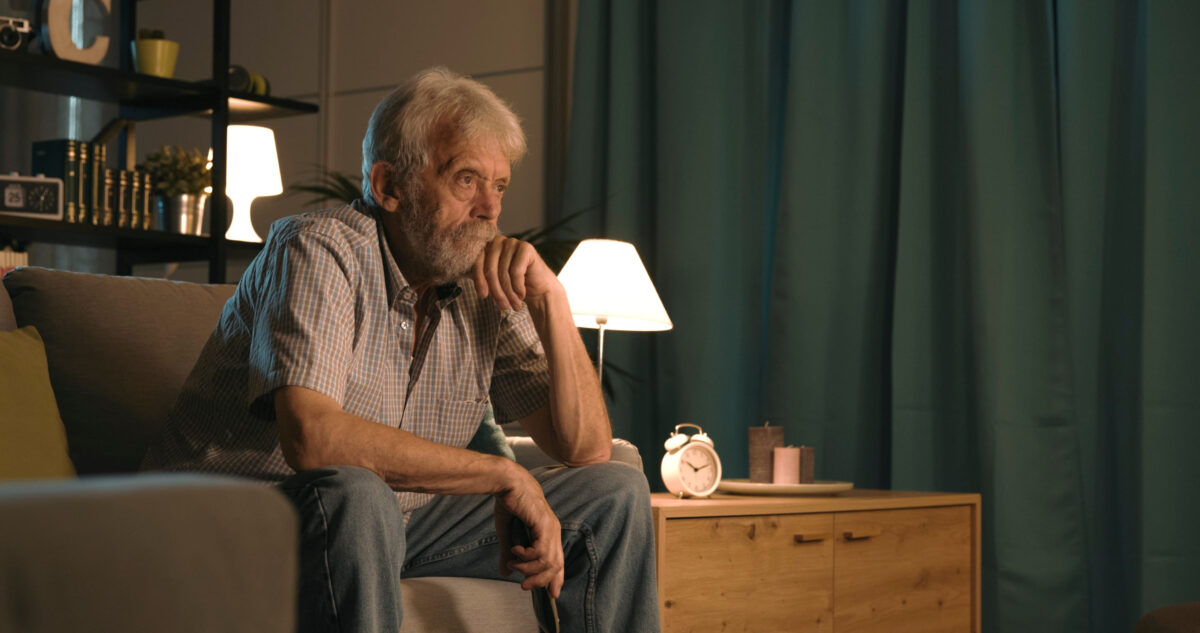
Loneliness is often treated like a sad feeling, but experts now describe it as a real health concern. After 60, friends may move away, spouses may pass on, children may be busy, and social circles can shrink faster than expected.
Living alone can make silence feel normal, even when it is slowly wearing someone down. A person may still shop, pay bills, and attend appointments, yet go days without meaningful conversation. That kind of emotional isolation can affect sleep, motivation, memory, and overall health.
The problem is not solved by telling someone to “get out more.” Older adults need real connection, not just activity. Phone calls, community groups, faith gatherings, volunteering, hobby clubs, and regular family check ins can keep a person emotionally anchored.
Health Symptoms May Be Missed
When someone lives with others, small health changes are often noticed quickly. A spouse may spot confusion. A child may notice weight loss. A roommate may hear a strange cough or see swelling in the legs.
When a person lives alone, symptoms can hide in plain sight. Fatigue becomes “just age.” Dizziness becomes “I stood up too fast.” Chest discomfort becomes “probably indigestion.” Experts warn that older adults sometimes normalize warning signs because they do not want to seem needy or lose control over their lives.
This is why routine medical visits matter. So do honest conversations with trusted people. Living alone should not mean managing every symptom in silence. A simple rule helps: if a new problem changes daily life, it deserves attention.
Medication Mistakes Become Easier

Many adults over 60 take more than one medication, and some take several. That can become confusing, especially when prescriptions come from different doctors or when pills look similar.
Living alone increases the chance that nobody notices missed doses, double doses, expired medicine, or side effects. A person may become dizzy, sleepy, forgetful, or weak without realizing a medication could be part of the problem.
Experts often recommend pill organizers, written schedules, pharmacy reviews, and one trusted person who knows the medication list. This is not about treating older adults like children. It is about building a safety net around something that can become complicated quickly.
Nutrition Can Quietly Decline
Cooking for one sounds simple until it becomes lonely, tiring, or expensive. After 60, some people start skipping meals, eating the same low effort foods, or replacing dinner with snacks because no one else is at the table.
Poor nutrition can sneak in quietly. A person may lose muscle, energy, balance, and immune strength before anyone notices. Dehydration is another hidden risk, especially for older adults who do not feel thirst as strongly as they once did.
Experts often encourage easy meal systems rather than complicated diet plans. Frozen vegetables, protein rich snacks, prepared healthy meals, grocery delivery, shared meals, and community dining programs can help make eating feel less like a chore.
Cognitive Changes May Go Unnoticed
Memory slips happen to many people, but living alone can make early cognitive changes harder to detect. There may be no one around to notice repeated questions, unpaid bills, spoiled food, missed appointments, or confusion with familiar tasks.
The danger is that small signs can be explained away for too long. A person may protect their pride by hiding mistakes. Family members may assume everything is fine because the house looks clean during short visits.
Experts say early detection matters because support can be added before a crisis happens. Calendars, reminder systems, automatic bill pay, labeled storage, and regular check ins can help someone stay independent longer while protecting them from preventable harm.
Home Maintenance Can Become A Safety Trap
A house that once felt manageable can become physically demanding after 60. Changing light bulbs, cleaning gutters, lifting laundry, shoveling snow, fixing loose steps, or carrying heavy trash can create hidden risks.
Living alone can make people push themselves because there is no one else to do the job. Pride can be dangerous here. One unstable chair, one dark stairway, or one rushed repair can lead to an injury that changes everything.
Experts often suggest a yearly home safety review. This can include smoke detectors, handrails, lighting, flooring, locks, heating systems, and emergency exits. A safer home does not reduce independence. It protects it.
Scams Can Hit Harder

Older adults living alone may be more vulnerable to scams, not because they are careless, but because scammers know how to exploit isolation, fear, urgency, and trust. A fake call from a bank, government office, grandchild, delivery service, or tech support company can feel convincing.
When someone has no immediate person nearby to ask, “Does this sound real?” they may act too fast. Scammers often pressure people to keep secrets, send money, buy gift cards, or share personal information before they can think clearly.
A simple protection plan helps. No urgent money decisions over the phone. No clicking strange links. No sharing codes. No secret payments. If a message creates panic, it should be checked with a trusted person first.
Emergencies Become More Complicated
Emergencies are harder when no one is there to witness them. A fire, stroke, heart event, severe allergic reaction, power outage, or sudden illness can become more dangerous when the person is alone.
The issue is not fear. It is preparation. Experts encourage older adults who live alone to keep emergency contacts visible, charge phones, maintain flashlights, store key medical information, and make sure trusted people can enter the home if needed.
Neighbors can also become part of the safety net. Even one reliable neighbor who notices unusual silence, piled up mail, or lights left on at odd hours can make a difference.
Independence Can Turn Into Isolation
Many older adults proudly say they do not want to be a burden. That pride is understandable, but it can slowly become a wall. They may reject help, downplay pain, refuse services, and insist they are fine even when life is becoming harder.
Experts often warn that independence should not mean doing everything alone. True independence means having the right support before life becomes overwhelming. It means accepting help early enough to keep choices open.
This is where families need sensitivity. The goal is not to take over. The goal is to listen, plan, and offer support in ways that respect dignity. A ride to the doctor, a weekly meal, a house check, or a regular call can be powerful.