8 Things Parents Let Their Children Do in the ’70s That Wouldn’t Fly Today
A kid could leave home on a bicycle in the morning with a vague plan to find a friend and come back hours later with grass stains, a story about a shortcut, and an appetite for dinner. In some neighborhoods, the grown-ups knew roughly where to look if they needed you. They might start by calling the house with bikes all over the lawn.
How much freedom children had in the 1970s depended on their age, where they lived, and what their parents allowed. Historian Howard Chudacoff describes a tradition of American children organizing their own play in streets, yards, and vacant lots. For kids who had that freedom, an ordinary day could go something like this.
Pedaling off with a Loose Plan
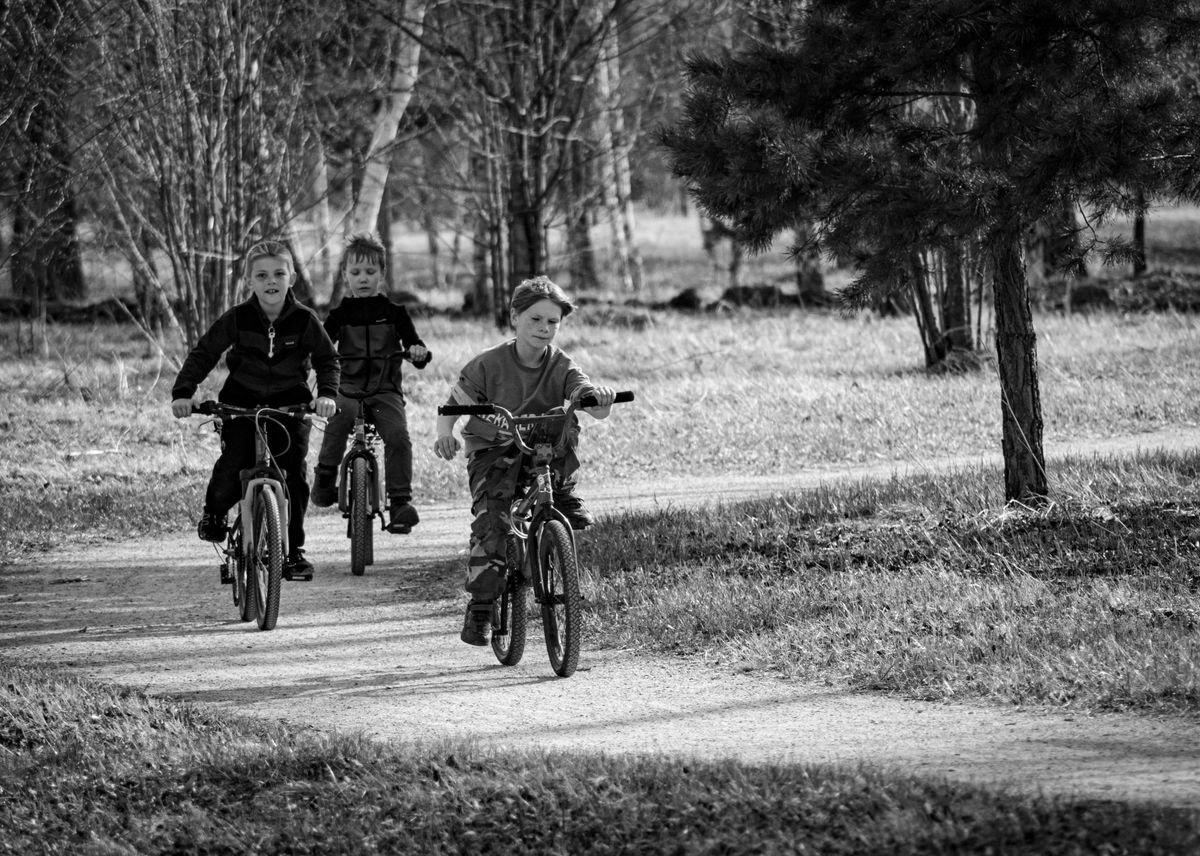
You might start by riding to a friend’s house, double back when another kid waved you down, then decide to see who was at the playground. Each stop could change the plan. A parent’s instructions might amount to staying on familiar streets and coming home for dinner.
The bicycle made those small decisions possible. You could visit someone a few blocks away without asking for a ride, and the trip itself could fill half the afternoon. By the time you got home, you might have a new route to show somebody else tomorrow.
Letting the Streetlights call them Home
In some households, “Be home when the streetlights come on” was all the instruction a child needed. Everyone could see the deadline approaching as the light faded, though that rarely settled the question of whether there was time for one last round of hide-and-seek.
In an oral history, Frazier recalled playing outside in Camden, New Jersey, and coming home when the streetlights came on. Anyone who ever tried to squeeze in one more turn can probably picture the scramble when the lights finally came on.
Walking to School with the Kids Next Door
The morning school run might begin with a classmate knocking at the door. You’d pick up another friend at the corner, and by the time you reached the school entrance, you’d already heard about somebody’s weekend or compared answers to the homework.
In 1969, just before the decade began, 48 percent of U.S. children ages 5 to 14 usually walked or biked to school. How close children lived to school and what traffic they faced helped shape whether families could make that routine work.
Making Up the Rules as They Went
A kickball game could begin when somebody brought out a ball. A sweatshirt marked first base, and everybody agreed that the crack in the pavement was the foul line until a close call put that agreement to the test.
With the game in their hands, kids had to figure out how to settle arguments and make room for whoever wandered over. When a younger sibling wanted in, they might move the pitching line closer. It was easy to spend as much time negotiating the game as playing it.
Riding in the Back Seat Without a Buckle Check
A family might pile into the car and pull out of the driveway while the kids were still sorting out who got the window seat. In some households, checking that everyone had buckled up wasn’t part of getting out the door.
New passenger cars already had seat belts before the 1970s. Buckling up depended on household habits, and the first statewide seat belt use law came in 1984, when New York enacted it. What some people remember as an ordinary car ride now stands out for how casually families could treat the belts already in the back seat.
Knocking on a Friend’s Door without a Playdate
If you wanted to see whether a friend was free, you could knock and ask. Sometimes a parent would send them outside. Sometimes they’d invite you in, and by midafternoon you were both on the living-room floor halfway through a board game nobody remembered how to finish.
That kind of drop-in visit worked especially well when families lived close, knew one another, and were comfortable with kids coming and going. The invitation itself could be as simple as one child asking another, “Want to come over?”
Claiming a Patch of Woods as their Own
A few trees behind the houses could shelter a clubhouse made of fallen branches. An empty lot might be a baseball diamond in the morning and the site of a highly confidential expedition after lunch.
Chudacoff describes fields, forests, and vacant lots among the places children made their own through play. A parent might set a boundary as specific as the fence at the end of the field. Within it, the kids could spend hours exploring a patch of ground an adult would cross in a minute.
Being Left to Figure Out What to do Next
On a rainy afternoon, you might watch TV, read a comic, or complain that there was nothing to do until somebody found a deck of cards. Home video games were beginning to appear, too, but an empty cardboard box could still keep two children busy once they agreed it was a grocery store.
Ask what made the afternoon memorable, and the answer might be something as small as that box. The groceries were whatever came out of the kitchen cupboard, the money was cut from scrap paper, and the shop stayed open until somebody called everyone in for dinner.