
7 Bills That Should Never Be Put on Autopay
Autopay can make managing household expenses easier. Instead of remembering every due date, you can let your bank or service provider handle recurring payments automatically.
It is a convenient way to avoid forgotten bills and missed payments. However, convenience does not always mean you should let every charge happen without checking it first.
Some bills can change unexpectedly, contain errors, or continue charging you after you have stopped using a service. Others may create problems when your checking account does not have enough money to cover the withdrawal.
Before putting these seven types of bills on autopay, take a closer look at what could go wrong and how to protect your money.
Medical Bills You Haven’t Checked Against Insurance
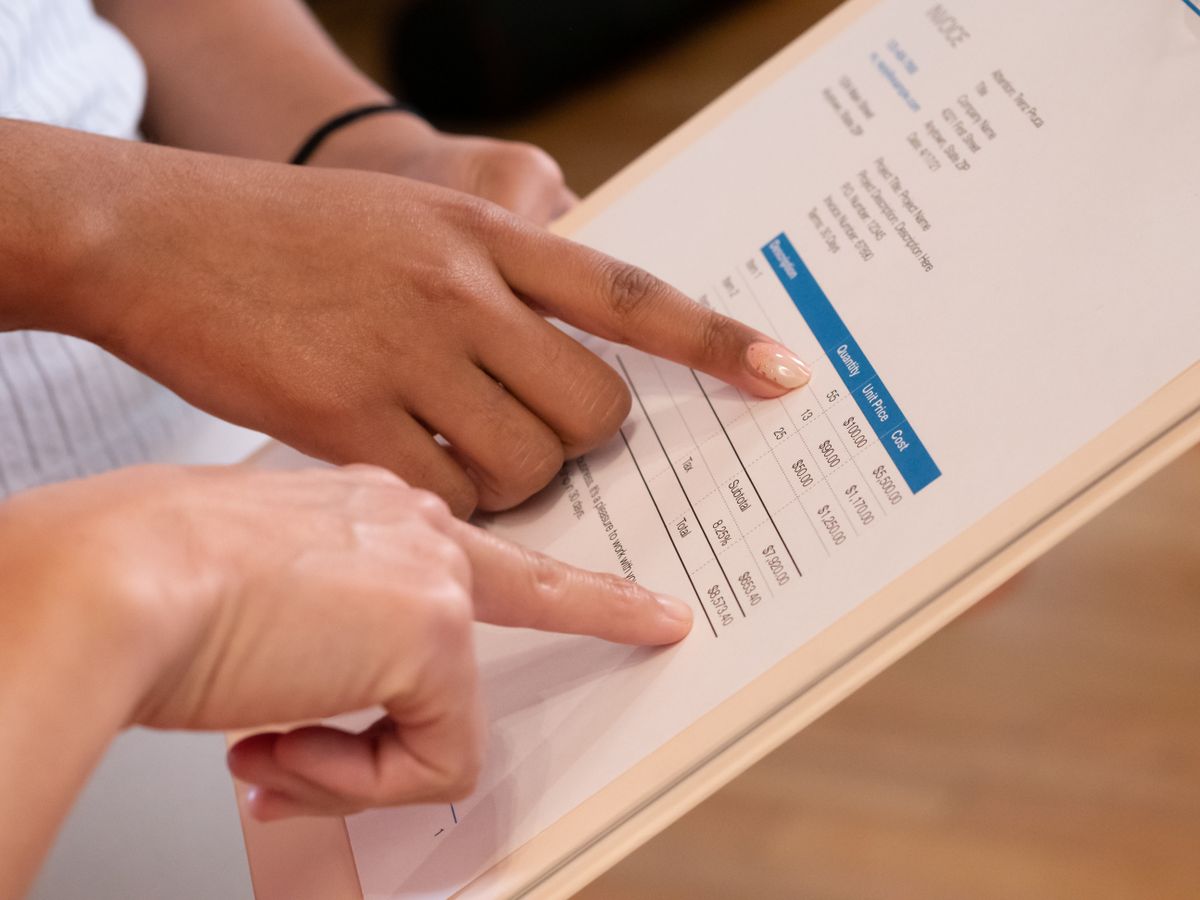
Medical bills deserve a second look before you authorize automatic payments. What a healthcare provider initially charges may need to be compared with what your insurance company has processed and covered.
According to the Consumer Financial Protection Bureau (CFPB), consumers should review medical bills, check that insurance was applied correctly, and investigate charges they do not understand.
An unexplained balance could require further clarification. For example, you might need to confirm whether your insurance was applied correctly or request an itemized statement to understand individual charges.
Rather than automatically paying an amount you have not verified, compare the provider’s bill with your insurer’s Explanation of Benefits. Contact the billing department if the figures do not match, and ask how any payment deadline will be handled while the issue is being reviewed.
Once the amount is confirmed, an affordable medical payment plan may be suitable for autopay. The important thing is knowing what you are agreeing to pay.
Credit Card Bills That Could Overdraw Your Checking Account
Automatically paying your credit card statement balance can be a useful way to avoid missed payments. However, the arrangement deserves attention when the withdrawal could leave your checking account short of money.
For instance, if several household expenses are scheduled around the same time, a large credit card payment might leave insufficient funds for other bills. Depending on your bank’s policies and account terms, a withdrawal could trigger an overdraft fee or be rejected, potentially resulting in other fees.
The CFPB explains that automatic payments can help consumers stay current, but they need to ensure sufficient funds are available in the linked account.
One option is to review your credit card statement before the scheduled payment and check your available checking balance. You could also consider setting autopay to cover the minimum payment as a backstop, then actively manage the remaining balance.
Remember that minimum payments are not a complete repayment strategy. They can leave you paying additional interest and taking longer to clear your debt. Paying the full statement balance generally helps avoid purchase interest when your card has an applicable grace period.
Utility Bills With Large or Unpredictable Swings
Electricity and water bills can vary from one billing period to another. When the amount changes significantly, an automatic withdrawal may catch your checking account at an inconvenient time.
The concern is not that utility autopay is always a poor choice. It is that allowing an unpredictable amount to leave your account without reviewing the bill can make household budgeting harder.
Federal Regulation E addresses certain preauthorized electronic transfers that vary in amount. Under Regulation E, Section 1005.10, covered varying transfers generally require advance written notice of the amount and date at least 10 days before the transfer. There are exceptions, including arrangements where consumers agree to receive notice only when an amount falls outside an agreed range or differs from the previous transfer by more than an agreed amount.
If your utility expenses fluctuate, review each statement and monitor withdrawal notifications. Setting account alerts can also help you keep track of upcoming payments.
Manual payments may be worth considering when you want to inspect or approve an unusually large bill before the money leaves your account.
Subscriptions About to Lose Their Promotional Pricing
A discounted subscription can look like a good deal when you first sign up. The problem may come later, when the introductory offer expires, and regular recurring charges begin.
Streaming platforms, membership services, and other subscriptions can have different renewal terms. If you signed up for a promotional offer months ago, you might no longer remember when the discounted period ends or what the next payment will be.
The CFPB has addressed concerns surrounding negative-option marketing and recurring subscription arrangements. These arrangements can allow charges to continue unless the customer takes action to cancel.
Before allowing these payments to continue automatically, check your renewal date, review the upcoming price, and decide whether you still want the service.
If you no longer need it, follow the provider’s cancellation requirements before the renewal deadline. Setting a reminder a few days ahead can give you time to make that decision.
You do not necessarily need to switch every subscription to manual payments. Sometimes canceling an unwanted service is the better solution. Just remember that stopping payment authorization alone does not necessarily cancel your subscription agreement.
Bills From Companies You Haven’t Verified
Before giving a company permission to withdraw money from your bank account, make sure you know who you are dealing with.
An unfamiliar business is not automatically fraudulent. However, you should understand what company is requesting your payment information, what service it provides, and how much it intends to charge.
The CFPB advises consumers to check a company’s legitimacy and credibility before authorizing automatic withdrawals. It also warns against giving bank account or debit card information to a company you are unsure about.
This matters because authorization gives the company permission to initiate recurring payments under the agreed arrangement.
Take time to verify the company’s identity, review the payment terms, and confirm the withdrawal amount and schedule. If you cannot establish who is requesting the money or why, do not rush into sharing your bank account or debit card information.
A few minutes of checking before authorization can help prevent confusion about recurring charges later.
Bills Containing Charges You’re Actively Disputing
If you spot a charge on your credit card statement that you do not recognize or believe is incorrect, it deserves attention before an automatic payment goes through.
Credit card billing disputes have specific consumer protections. According to the CFPB’s guidance on correcting credit card billing errors, consumers generally need to send a written billing-error notice within 60 days after the issuer sent the statement containing the error to qualify for the applicable protections.
There is also an important distinction involving automatic payments. Under Regulation Z, a credit card issuer offering an automatic payment plan must not deduct a disputed amount or related charges if it receives a qualifying billing-error notice at least three business days before the scheduled payment. This specific protection does not apply to every bank-operated bill-pay arrangement.
If you identify a questionable charge, contact your card issuer, follow its formal dispute process, and keep relevant records. Paying a charge does not automatically eliminate your right to dispute it, so do not assume it is too late if the withdrawal has already happened.
Do not assume that disputing one transaction means you can ignore the entire statement. Continue paying correct, undisputed charges on time.
Charges for Services You’ve Canceled or No Longer Want
Few things are more frustrating than noticing a recurring payment for a service you thought you had already canceled.
The problem is that ending a service and stopping its automatic payment authorization are not necessarily the same thing. Depending on the arrangement, you may need to complete the company’s cancellation process and separately revoke permission for recurring withdrawals.
The CFPB explains that consumers can revoke authorization for automatic bank withdrawals by contacting the company and notifying their bank or credit union. A stop-payment order may also be an option, although banks commonly charge a fee for it.
If you cancel a service, keep written confirmation of the cancellation. Check subsequent statements to make sure the recurring withdrawals have stopped. If payments continue after authorization has been revoked, contact your financial institution promptly about the transactions.
However, stopping automatic withdrawals does not automatically eliminate outstanding bills or contractual obligations. You may still owe a final payment or another amount under your agreement.