Costco’s Frozen Vegetables Rejected After Taiwan Finds Pesticide Residues
A bag of frozen vegetables is supposed to make dinner easier. Toss some into a hot pan, add your favorite sauce, and you have a quick side dish without all the washing and chopping.
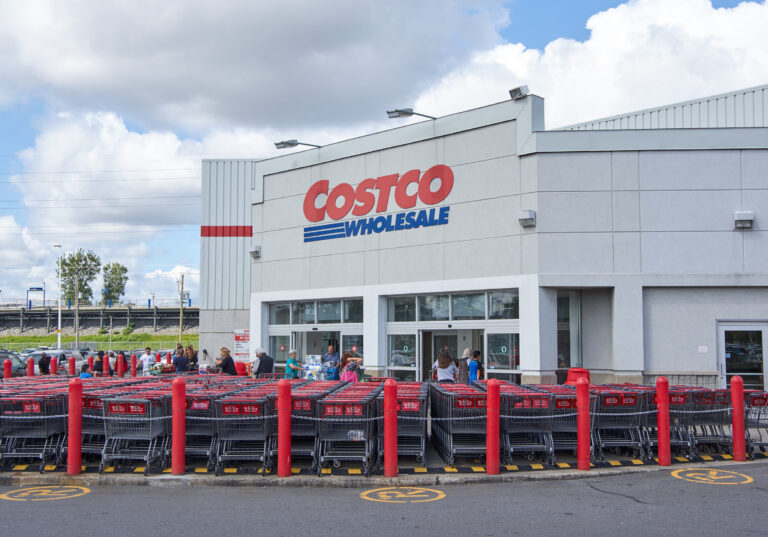
But one shipment of Costco’s Kirkland Signature frozen vegetables never made it to shoppers in Taiwan.
On July 14, 2026, Taiwan’s Food and Drug Administration (TFDA) announced that a shipment of frozen stir-fry vegetables imported from the United States had failed pesticide residue testing.
The shipment weighed 10,756.8 kilograms, or roughly 23,714 pounds. Inspectors found three pesticide residues in the peas and broccoli, prompting authorities to reject the shipment.
The good news? Taiwanese officials reported that none of the affected vegetables entered the country’s market.
Still, the incident raises an interesting question about the frozen vegetables many families keep in their freezers: How closely are these products checked before reaching grocery shelves?
What Inspectors Found Inside the Frozen Vegetables
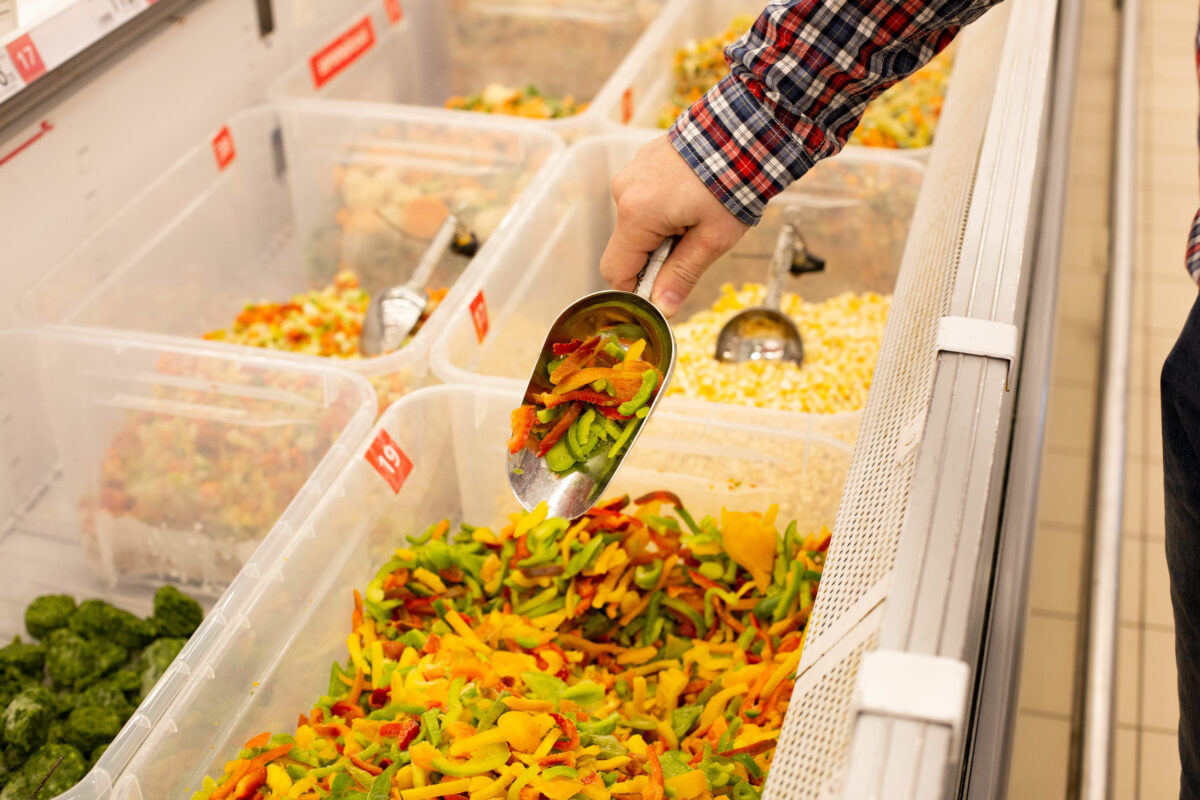
According to Taiwan’s official inspection report, the rejected product was Kirkland Signature Stir Fry Vegetables.
The vegetables were exported from the United States and imported by Costco Taiwan.
During testing, inspectors identified pesticide residues in two ingredients: peas and broccoli.
The peas contained two chemicals:
- Dimethoate: 0.06 parts per million (ppm).
- Omethoate: 0.01 ppm.
Taiwan requires both substances to be below the testing method’s quantification threshold of 0.01 ppm for this product.
Meanwhile, the broccoli contained 0.002 ppm of fipronil, another insecticide.
That might sound like a tiny amount, and it is. However, Taiwan’s regulatory limit for fipronil and its metabolites in this category was 0.001 ppm.
In other words, the reported fipronil concentration was twice the permitted level.
The findings were enough for Taiwanese authorities to reject the shipment.
What Are These Three Pesticides?
You probably don’t recognize dimethoate, omethoate, or fipronil from your weekly grocery list.
That’s understandable. These aren’t ingredients someone intentionally adds to a vegetable stir-fry.
Dimethoate is an insecticide used to control pests that damage agricultural crops.
Omethoate is closely related. It can form when dimethoate breaks down or is processed by living organisms.
Fipronil is another insecticide, commonly associated with controlling insects in agricultural and other settings.
These substances have attracted attention from regulators because of their potential effects on living organisms.
For example, the European Union decided not to renew dimethoate’s approval for use in plant-protection products in 2019.
The decision followed concerns raised during a European Food Safety Authority assessment, including uncertainty about whether dimethoate could damage genetic material.
European experts also identified mutagenicity concerns involving omethoate.
However, there’s an important distinction.
Finding a pesticide residue above a legal limit does not automatically mean the food would cause illness.
The concentration, amount consumed, frequency of exposure, and other factors all matter when evaluating potential health risks.
Taiwan’s finding establishes that the vegetables failed its food safety requirements. It does not establish that someone became sick from eating them.
Costco Says the Vegetables Were Never Sold
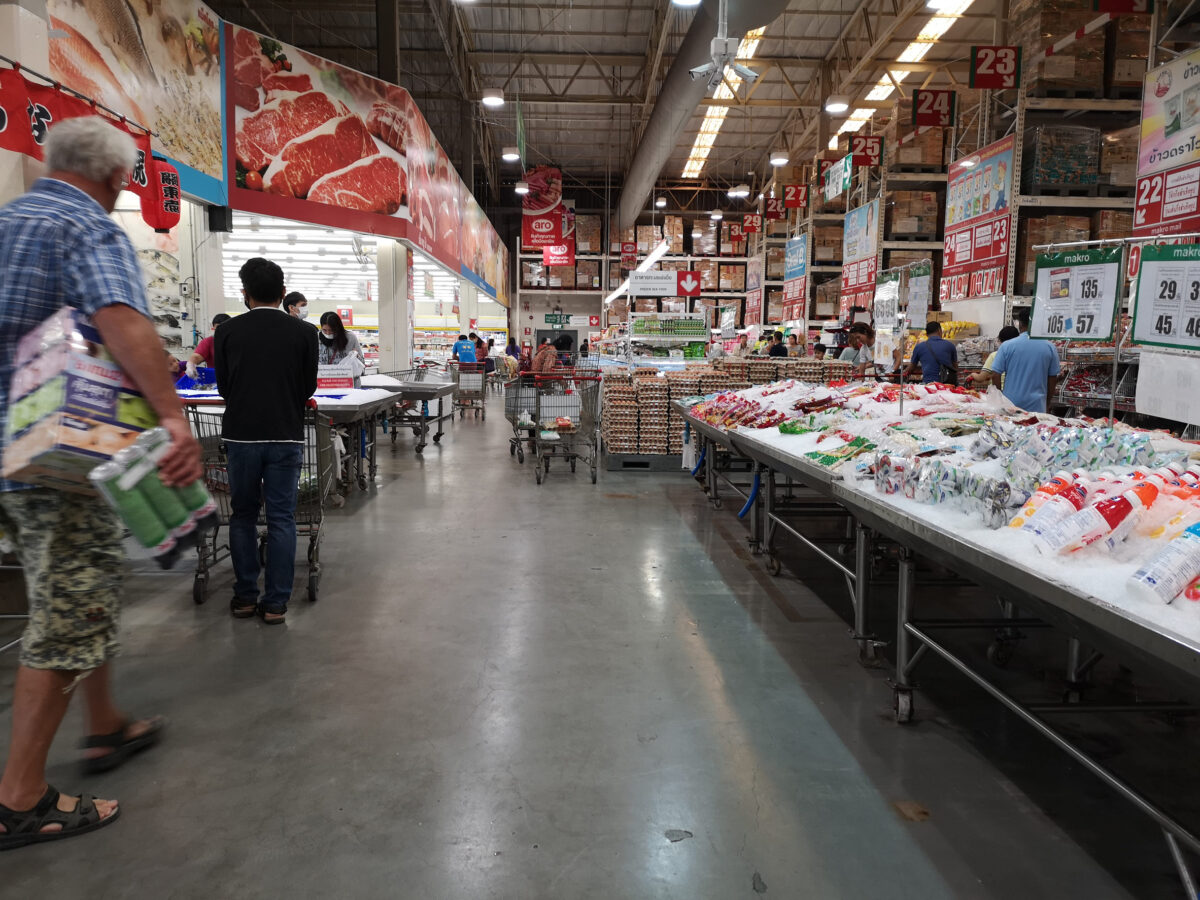
Here’s the reassuring part for shoppers in Taiwan.
According to Taiwanese media reports, Costco responded to the inspection findings and said the affected batch had not been sold domestically.
The company also said the vegetables would be destroyed in accordance with the law and would not enter the market.
Taiwanese authorities required the rejected shipment to be returned or destroyed.
However, the available records do not establish whether the destruction process was eventually completed.
The distinction matters because rejecting a shipment at import inspection is different from recalling food that customers have already purchased.
In this case, authorities reported that the products never reached Taiwan’s retail market.
That means there was no reported need for Taiwanese shoppers to search their freezers for this particular rejected shipment.
Taiwan Is Now Checking More Costco Vegetable Shipments
The failed inspection did more than stop one shipment.
Taiwan also increased inspections on Costco’s relevant frozen vegetable imports from the United States.
According to local reporting, the inspection rate increased from the usual 2%–10% of import batches to 20%–50%.
That is a substantial jump.
Instead of selecting a relatively small percentage of shipments for inspection, authorities began checking a much larger share.
These percentages refer to the proportion of import batches selected for inspection, not the amount of vegetables tested inside each shipment.
The additional checks focus on the relevant importer and product category rather than everything Costco sells.
It’s one way regulators respond when imported food fails to meet local standards.
Why American and Taiwanese Pesticide Rules Can Differ
One of the more interesting details is that pesticide limits aren’t necessarily identical around the world.
A residue that violates one country’s rules might fall below another country’s permitted threshold.
For example, current U.S. Environmental Protection Agency regulations list a dimethoate tolerance of 2.0 ppm for peas, including its oxygen analog.
Taiwan applied a much stricter non-detect requirement to the dimethoate and omethoate findings in this shipment.
However, that comparison alone does not establish whether the entire vegetable shipment complied with U.S. law. The broccoli’s fipronil finding and other applicable requirements would also need to be evaluated.
Countries develop their own rules based on approved pesticide uses, scientific assessments, testing methods, and regulatory decisions.
For shoppers, the takeaway is simple: Food products must meet the import requirements of the country where they are being sold.
Does This Affect Costco Frozen Vegetables in America?
That’s probably the biggest question for American shoppers who regularly buy Kirkland Signature vegetables.
Costco sells a similarly named Kirkland Signature Stir-Fry Vegetable Blend in the United States, including a 5.5-pound package.
However, the available evidence does not establish that the U.S. product came from the same production batch or contained the same ingredients sourced from the same farms.
The Taiwanese inspection record identifies PNW VEG CO LLC, doing business as NORPAC, in its manufacturer or foreign responsible-business information.
It does not identify the farms that supplied the affected vegetables or establish whether any related batches were distributed to American warehouses.
No matching U.S. recall was verified in the available research.
So, while the Taiwan findings raise reasonable questions about food sourcing and testing, they should not be treated as proof that frozen vegetables currently sitting in American Costco freezers contain the same residues.
What Shoppers Can Learn From This Incident
Frozen vegetables remain a convenient option for busy households, especially when you’re trying to put dinner together without spending an hour in the kitchen.
This incident doesn’t mean every bag of frozen vegetables deserves suspicion.
It does show why food inspections, clear product records, and supplier accountability matter.
For shoppers who want to stay informed, checking official recall notices and food safety announcements is more useful than assuming that every product with similar packaging is affected.
And remember, washing or cooking vegetables should not be treated as a guaranteed method for removing every pesticide residue.
The Bottom Line
Taiwan rejected nearly 24,000 pounds of Costco Kirkland Signature frozen vegetables after inspectors found pesticide residues that violated local standards.
The affected shipment reportedly never reached shoppers, and Costco said it would be destroyed.
For consumers, the bigger story is about food safety checks doing their job, while reminding us that even familiar grocery brands depend on careful oversight from farm to freezer.