9 Weeknight Dinners Every Boomer Mom Had on Rotation
Ask anyone who grew up in the 1950s, 1960s, or 1970s what was for dinner on a Tuesday night, and you will probably get the same short list. Most mothers of that era did not have a stack of cookbooks open on the counter or an app full of recipes. They had a handful of dependable meals they could make with their eyes closed, and they cycled through them week after week.
Those meals had to be cheap, filling, and ready by the time Dad walked through the door. They also had to please a table full of children who were not always eager to try something new. Many women planned the week around grocery store specials, leftovers, and whatever was already sitting in the freezer or the pantry.
The result was a dinner rotation that millions of boomers can still recite by heart. Here are nine weeknight dinners that showed up again and again in American homes, and why so many families still crave them today.
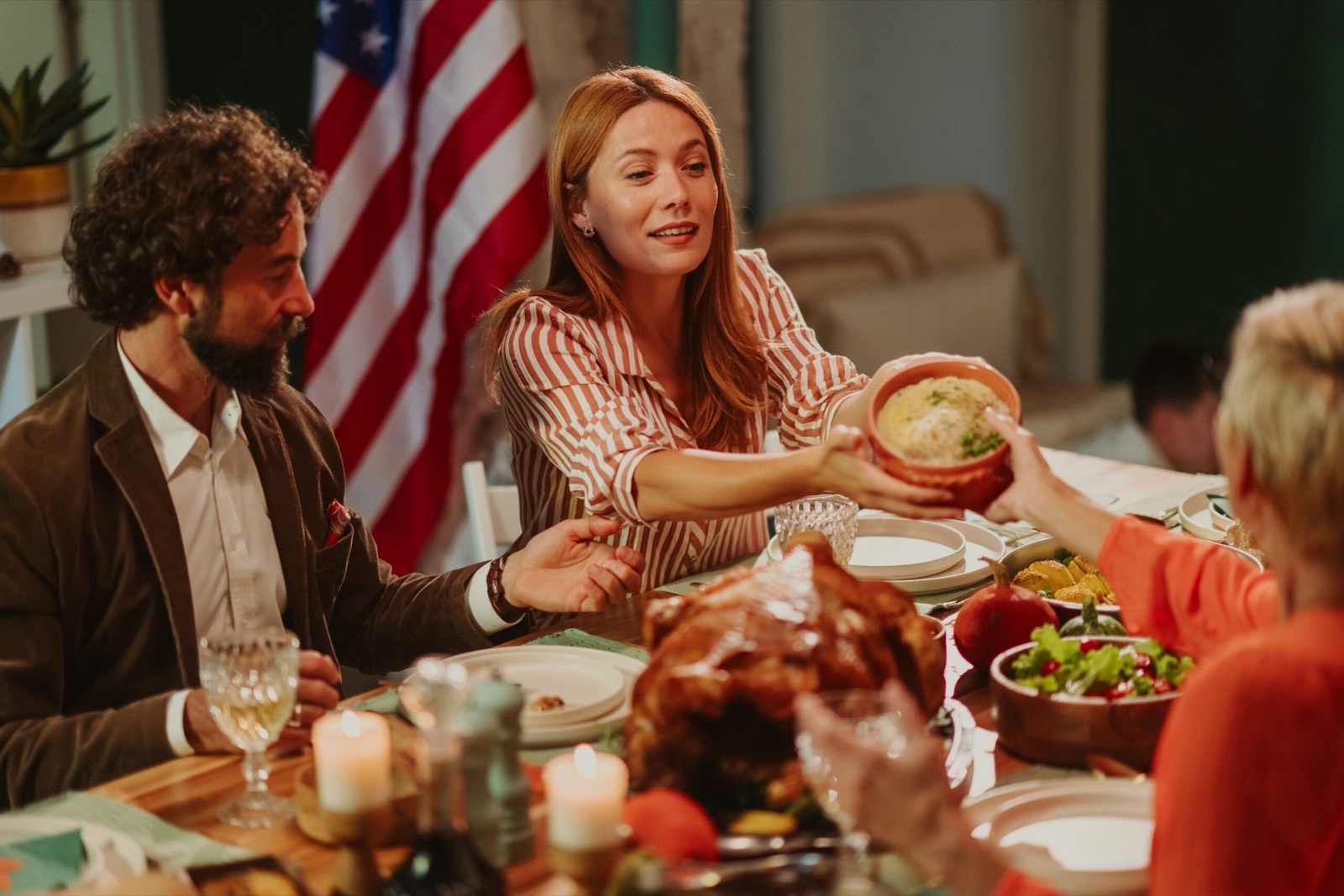
1. Meatloaf With Mashed Potatoes
Meatloaf was the undisputed queen of the weeknight table. A pound or two of ground beef went a long way once it was mixed with bread crumbs or crushed crackers, an egg, chopped onion, and a little milk. Many mothers spread ketchup across the top before it went into the oven, and the edges came out sticky and caramelized.
Meatloaf was popular because it stretched expensive meat into enough slices to feed a big family, with leftovers for sandwiches the next day. During the Great Depression and World War II, home cooks learned to add fillers to make meat last, and those habits carried straight into the 1950s and 1960s kitchen.
A plate of meatloaf almost always came with a mound of mashed potatoes and a spoonful of canned peas or green beans. Many boomers still say no restaurant version tastes quite like Mom’s.
2. Tuna Noodle Casserole
If meatloaf was the queen, tuna noodle casserole was the dependable sidekick. It took egg noodles, a can of tuna, a can of cream of mushroom soup, and sometimes a handful of frozen peas. The whole thing was topped with crushed potato chips or bread crumbs and baked until bubbly.
The dish became a national favorite after canned condensed soups took hold in American kitchens. Campbell’s introduced cream of mushroom soup in 1934, and by the postwar years it was the glue holding together countless casseroles. Tuna noodle casserole was also a common choice on Fridays in Catholic homes that avoided meat.
It was cheap, quick, and could be assembled ahead of time. Many families now count it among the casseroles that defined American family dinners.
3. Pork Chops and Applesauce
Pork chops were a weeknight treat in many homes. They were usually pan-fried in a cast-iron skillet, sometimes dredged in flour or coated in a seasoned crumb mix. Some mothers baked them with a can of soup poured over the top so they would not dry out.
The classic side was applesauce, either homemade or straight from the jar. The sweet fruit balanced the salty, savory meat. Pork chops and applesauce were so common that the pairing became a running joke on television in the 1970s.
Many boomers remember their mothers cooking pork chops until they were very well done. That was standard advice at the time. Today, the USDA’s safe minimum temperature chart lists whole cuts of pork at 145°F with a three-minute rest, which leaves the meat juicier than many people remember.
4. Spaghetti and Meat Sauce
Spaghetti night was a favorite with kids, and it was easy on the family budget. Mothers browned ground beef with onion, then simmered it with canned tomatoes, tomato paste, and dried oregano. Others relied on a jar of sauce or a seasoning packet from the grocery store.
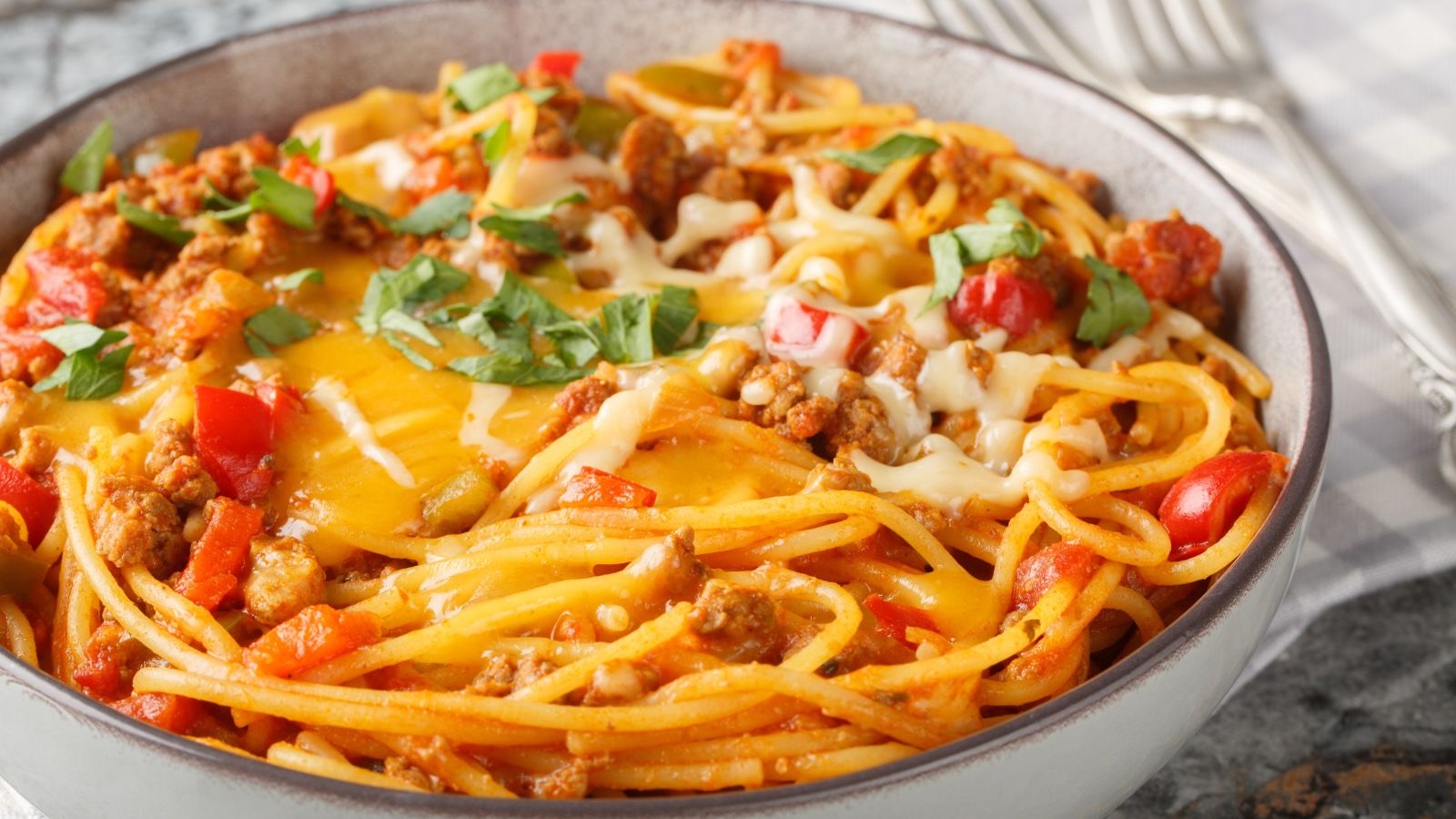
The sauce often cooked for an hour or more while homework got done at the kitchen table. A loaf of garlic bread made from a split loaf of white or Italian bread was the finishing touch. Some families added a simple iceberg lettuce salad with bottled dressing.
Spaghetti also made great leftovers. Many boomers remember eating cold spaghetti straight from the refrigerator the next afternoon, a habit their mothers did not always approve of.
5. Sloppy Joes
Sloppy Joes were a fast answer to busy evenings. Ground beef was browned in a skillet and simmered with ketchup, a little mustard, brown sugar, and chopped onion. The messy mixture was spooned onto soft hamburger buns.
In 1969, Hunt’s introduced Manwich, a canned sauce that made the meal even faster. Mothers could have dinner on the table in about 15 minutes. Kids loved them because they were sweet, saucy, and fun to eat with their hands.
Sloppy Joes often came with potato chips and a dill pickle spear. They were the kind of dinner that felt like a treat, even though they cost very little to make.
6. Chicken and Rice Bake
A whole chicken or a package of cut-up pieces could feed a family of five or six with a little help from rice. Many mothers baked chicken pieces on top of uncooked rice mixed with a can of cream of chicken soup and water. Some sprinkled a packet of dry onion soup mix over the top.
The dish was hands-off, which made it popular with working mothers and busy homemakers alike. It went into the oven, and an hour later dinner was ready. The rice soaked up the juices from the chicken and came out rich and creamy.
Chicken and rice was also a gentle meal for picky eaters. It was mild, comforting, and filling. Many families still make a version of it today.
7. Hamburger Helper
When General Mills introduced Hamburger Helper in 1971, it arrived at the right time. Beef prices were rising, and families were looking for ways to stretch a pound of ground beef. The boxed mix contained dried pasta and a seasoning packet, and all a mother had to add was meat, water, and milk.
Flavors like cheeseburger macaroni and beef stroganoff quickly became household staples. The famous four-fingered Helping Hand mascot made the product instantly recognizable on television. For many families in the 1970s, Hamburger Helper was a lifesaver on hectic weeknights.
Some mothers turned their noses up at it, while others kept several boxes in the pantry at all times. Either way, almost every boomer remembers eating it.
8. Pot Roast Leftovers Turned Into Hash
Sunday pot roast usually left plenty of meat behind, and thrifty mothers rarely let it go to waste. On Monday or Tuesday, the leftover beef was chopped and fried with diced potatoes and onions into a crispy hash. Some topped it with a fried egg.
This kind of cooking was second nature to women raised by Depression-era parents. Nothing was thrown out if it could become another meal. Leftover roast also turned into beef sandwiches, vegetable soup, or shepherd’s pie.
Many boomers say the hash was better than the original roast. The crispy bits from the skillet were worth fighting over. Mothers of that era had plenty of ways to make every dollar do double duty, and leftovers were one of the most important.
9. Breakfast for Dinner
Every now and then, a mother would announce that dinner was pancakes, scrambled eggs, and bacon. For kids, few things were more exciting. Breakfast for dinner usually happened at the end of the week when groceries were running low or Mom simply needed a break.
Pancakes from a box of Bisquick or Aunt Jemima mix were cheap and quick. Eggs were inexpensive and filling. A pound of bacon or a package of sausage links finished the meal, and nobody complained.
Many families still keep this tradition alive. It is one of the breakfast classics that deserve a comeback at any time of day.
Why the Rotation Worked
The boomer mom dinner rotation was not about variety. It was about reliability. Mothers knew exactly what to buy, how much it would cost, and how long it would take. They did not have to think too hard after a long day of work, housework, or chasing children.
The meals were also built around what was cheap and available. Ground beef, canned soup, pasta, rice, and potatoes formed the backbone of most dinners. Fresh vegetables were often replaced by canned or frozen ones, especially in winter.
Most important, the rotation gave families a sense of routine. Children knew that Tuesday meant tacos or spaghetti, and that Friday might mean fish sticks or pizza. That predictability was comforting, even if kids complained about it at the time.
The Meals Boomers Still Crave
Many boomers who once rolled their eyes at the same meals every week now find themselves making those exact dishes for their own grandchildren. The recipes have been passed down on index cards, and the flavors still bring back memories of crowded kitchen tables and long conversations.
Which dinner was always on rotation in your house growing up, and which one did you secretly dread? Most families had at least one meal that every child pretended to like.