How the TV Dinner Changed the American Family Forever
In the early 1950s, two new things were taking over American homes at the same time. Television sets were arriving in living rooms by the millions, and freezers were becoming common in kitchens. Families were spending their evenings watching “I Love Lucy” and “The Ed Sullivan Show,” and food companies were searching for ways to make dinner faster and easier.
Out of that moment came one of the most influential foods in American history: the TV dinner. It was a complete meal in a shiny aluminum tray, ready to heat and eat in front of the television. It promised freedom from hours in the kitchen and a little taste of the modern age.
The TV dinner was more than a convenience. It changed how families ate, how women spent their time, and how Americans thought about food. Here is how the humble frozen dinner reshaped family life, and why so many boomers still remember their first one.
The Birth of the TV Dinner
The most famous version of the TV dinner was launched by C.A. Swanson & Sons of Omaha, Nebraska, in 1953 and 1954. The company sold its “TV Brand Frozen Dinner” in a box designed to look like a television set. The first meal featured turkey with cornbread dressing and gravy, buttered peas, and sweet potatoes, all in a divided aluminum tray.
According to a popular story, a Swanson salesman named Gerry Thomas came up with the idea after the company ended up with hundreds of thousands of pounds of leftover turkey after Thanksgiving. Members of the Swanson family later disputed parts of that story, and historians say several companies sold frozen meals before Swanson. But it was Swanson’s clever name and packaging that captured the public’s imagination.
The dinners sold for about 98 cents each. In the first full year, Swanson sold millions of them, far more than the company expected.
Why It Caught On So Fast
The TV dinner arrived at the perfect time. After World War II, millions of families moved to the suburbs, bought new appliances, and embraced the idea of modern living. Freezers and refrigerators were becoming standard in American homes, and grocery stores were adding larger frozen food sections.
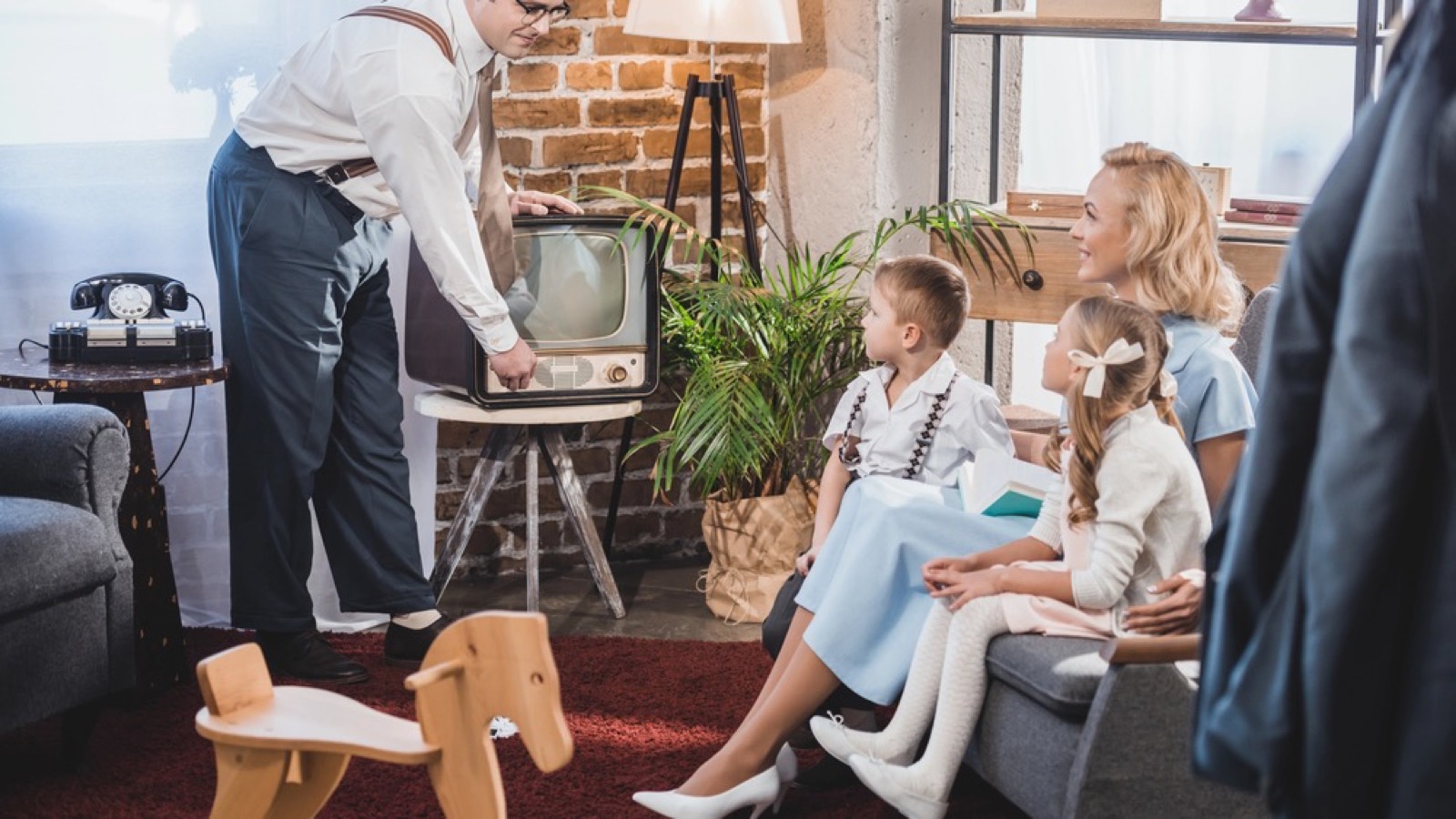
At the same time, television was transforming family life. In 1950, only a small share of American households owned a TV. By the end of the decade, most did. Families wanted to spend their evenings watching their favorite programs, and the TV dinner made it easy to eat without missing a minute.
The name itself was brilliant marketing. It connected the meal to the most exciting new technology in the home. Eating a TV dinner felt modern and fun.
A New Kind of Freedom for Women
For many women in the 1950s, cooking dinner every night was a major part of their daily work. A traditional meal could take hours to prepare. The TV dinner offered a break. Mothers could heat a meal in the oven in about 25 minutes, and cleanup was as simple as throwing away the tray.
Some women embraced the TV dinner as a welcome convenience. It gave them more time for other activities, or simply a night off. Others felt guilty serving a frozen meal, worried that it meant they were not taking good care of their families. Advertisements often tried to ease that guilt by showing happy families enjoying their dinners together.
As more women entered the workforce in the 1960s and 1970s, frozen dinners became even more important. They helped working mothers put food on the table after a long day.
The Rise of the TV Tray
The TV dinner also changed where families ate. Instead of gathering around the dining room table, many families began eating in the living room. Folding metal TV trays became a common household item, often decorated with flowers or colorful patterns.
For children, eating dinner in front of the television was a thrill. It felt like a special treat, especially when the meal came in a tray with separate compartments. Many boomers remember sitting on the floor with their trays, watching cartoons or westerns while they ate.
Some people worried that the habit was hurting family conversation. Critics argued that families were spending less time talking at the table. That debate continues today, as researchers study the benefits of shared family meals.
The Menu Grows
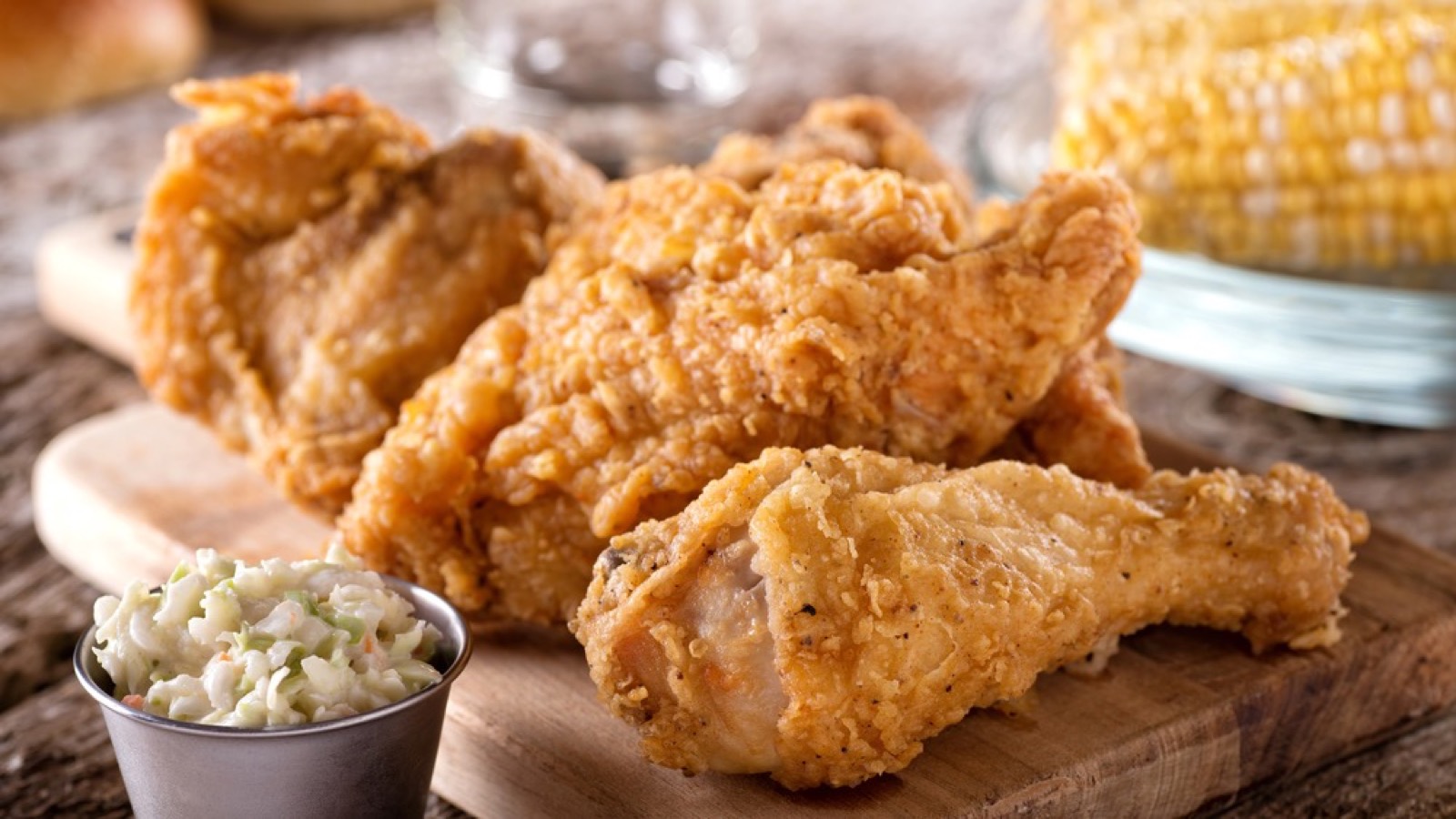
After the turkey dinner, Swanson and its competitors quickly added more options. Fried chicken, Salisbury steak, meatloaf, and fish sticks became common choices. Some dinners included a small dessert, like a brownie or apple cobbler, in its own compartment.
In 1973, Swanson introduced Hungry-Man dinners, larger portions designed for big appetites. Other brands like Banquet and Morton competed for space in the freezer aisle. By the 1970s, frozen dinners were a regular part of American life.
The meals were not gourmet, but they were filling and familiar. Many families had their favorite brand and flavor, and kids often argued about who got the dinner with the best dessert.
The Microwave Changes Everything
In the 1970s and 1980s, microwave ovens became common in American kitchens. Aluminum trays could not be used in the microwave, so companies switched to plastic and paper trays. Swanson made the change in 1986.
The microwave made frozen dinners even faster to prepare. A meal that once took 25 minutes in the oven could now be ready in five or six minutes. This made frozen meals popular with college students, busy professionals, and older adults living alone.
The microwave also led to a wave of new frozen products, from single-serve pizzas to diet meals like Lean Cuisine, which launched in 1981. The freezer aisle grew longer and more diverse than ever.
A Piece of American History
The TV dinner became so important to American culture that the original aluminum tray is now treated as a museum piece. The Smithsonian’s National Museum of American History holds a Swanson TV dinner tray in its collection, and the tray is often cited as a symbol of mid-century life.
For many boomers, the TV dinner represents a moment in time when the future seemed exciting and full of possibility. It was part of the same wave of convenience foods that filled mid-century American kitchens.
The Lasting Impact
The TV dinner changed how Americans think about food. It helped make convenience a top priority for many families, paving the way for fast food, microwave meals, and meal kits. It also changed where and how families eat, with more meals eaten in front of screens.
Today, frozen meals are still a major part of the American diet. Many are healthier and more varied than the original TV dinners, but the basic idea remains the same: a complete meal, ready in minutes.
For people who grew up in the 1950s and 1960s, the TV dinner is a powerful piece of nostalgia. It brings back memories of family evenings, flickering black-and-white screens, and the excitement of peeling back the foil to see what was inside. It belongs with the things only people who grew up in the 70s will understand, too.
Do you remember your first TV dinner, and which compartment did you always eat first? Many readers say they always saved the dessert for last.