7 Old Diner Slang Terms Waitresses Shouted to the Kitchen
Walk into a busy American diner in the 1940s or 1950s, and you might have thought the staff were speaking a secret language. A waitress would take your order, turn toward the kitchen window, and shout something like “Adam and Eve on a raft, wreck ’em!” The cook would nod, and a few minutes later your scrambled eggs on toast would appear.
This colorful lingo was called diner slang, or lunch counter lingo, and it was a big part of American restaurant culture for much of the twentieth century. It helped busy waitresses communicate quickly, kept the kitchen moving, and added a dose of humor to the long, tiring shifts. Some terms were practical shortcuts, while others were jokes that only the staff understood.
Most of this slang has faded as diners have changed and computers have replaced shouted orders. But many older Americans still remember hearing it. Here are seven old diner slang terms waitresses shouted to the kitchen, and what they meant.

1. “Adam and Eve on a Raft”
This was one of the most famous diner phrases of all. “Adam and Eve on a raft” meant two poached eggs on toast. The eggs were Adam and Eve, and the toast was the raft they floated on.
If the customer wanted scrambled eggs instead, the waitress would shout “wreck ’em,” as in “Adam and Eve on a raft, wreck ’em.” The cook knew to scramble the eggs instead of poaching them.
The phrase became so well known that it appeared in movies and cartoons as an example of diner culture. Many people who never worked in a diner still recognize it today.
2. “Burn One” and “Burn the British”
“Burn one” was the order for a hamburger, sometimes meaning a well-done patty. Cooks also used “burn one, take it through the garden” to mean a burger with lettuce, tomato, and onion. “Burn the British” meant a toasted English muffin.
These phrases reflected the fast pace of the diner kitchen. Waitresses needed to shout orders quickly and clearly over the noise of the grill and the crowd. Short, catchy phrases were easier to hear and remember.
The playful language also helped build a sense of camaraderie among the staff. Learning the slang was part of becoming a real diner worker.
3. “Eve With a Lid On”
“Eve with a lid on” meant a slice of apple pie. Eve referred to the apple from the Garden of Eden, and the lid was the top crust. Waitresses sometimes added “with a slab of moo” if the customer wanted a slice of cheese, or “à la mode” for ice cream.
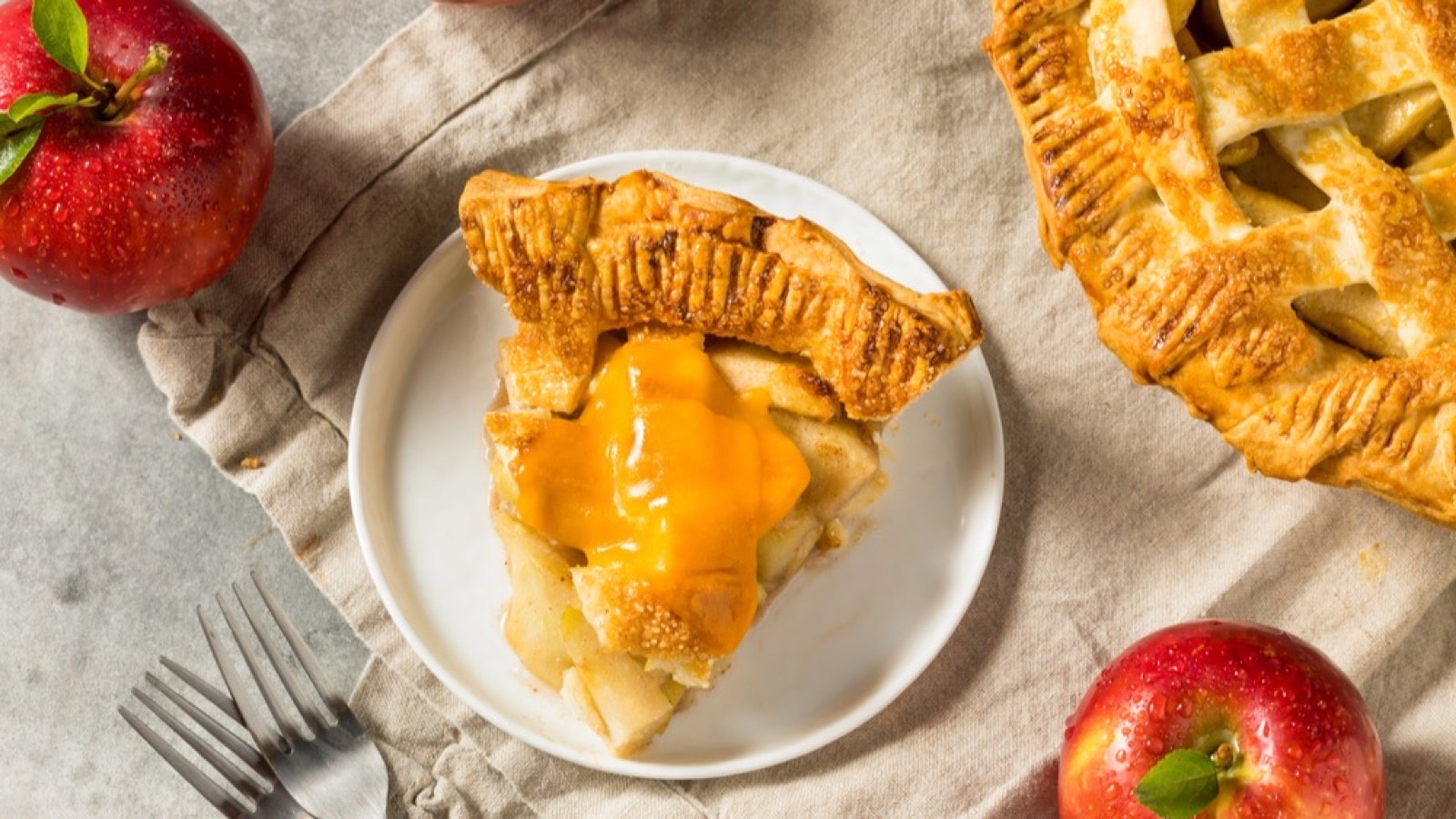
Pie was a big part of diner culture, and many diners were famous for their homemade pies. Ordering a slice after a meal was a common treat. It is one of the classic American comfort foods that earned its fame.
The phrase is a perfect example of how diner slang combined humor and creativity. It turned a simple order into a small piece of theater.
4. “Cow Juice” and “Moo Juice”
“Cow juice” or “moo juice” meant a glass of milk. Kids often ordered milk with their meals, and waitresses shouted the order to the counter. “Black cow” sometimes meant chocolate milk, though it could also mean a root beer float, depending on the diner.
Many diner phrases were based on animals or barnyard images. Coffee had its own set of nicknames, including “a cup of joe,” “mud,” and “java.” Cream for coffee was sometimes called “cow.”
Some of these phrases, like “a cup of joe,” are still used today. Others have mostly disappeared.
5. “Sweep the Kitchen”
“Sweep the kitchen” or “clean up the kitchen” was slang for a plate of hash. Hash was made from chopped leftover meat and potatoes, so the joke was that the cook simply swept whatever was left in the kitchen into a pan.
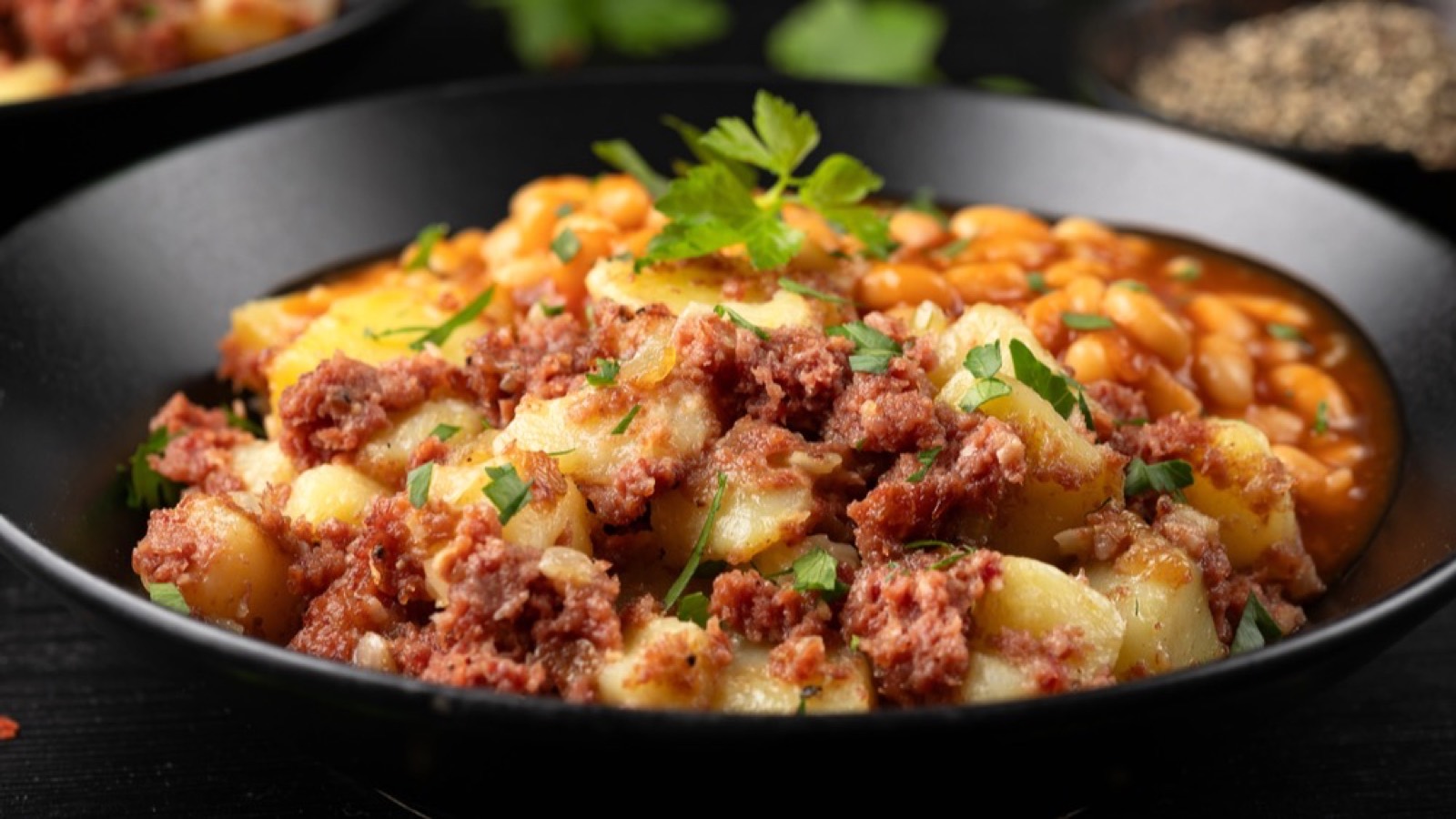
Hash was a diner staple, especially at breakfast. Corned beef hash with eggs was a popular order, and it was cheap and filling. The slang reflected the working-class humor of many diners.
Some phrases like this one were a little cheeky. They gave the staff a way to joke about the food while still taking pride in it.
6. “86”
The term “86” is one piece of diner slang that has survived into the modern restaurant world. It means that an item is no longer available, as in “86 the meatloaf” when the kitchen has run out. It can also mean removing a customer or canceling an order.
The origin of “86” is uncertain, and there are many competing theories. One popular story connects it to a New York speakeasy’s address, while others say it was simple rhyming slang for “nix.” The Merriam-Webster dictionary explores several of the theories.
Today, “86” is widely used in restaurants and bars across the country. Many people use it outside the restaurant world too.
7. “Hold the Hail” and “On the Hoof”
“Hold the hail” meant no ice in a drink. Hail referred to the ice cubes. “On the hoof” meant a steak or burger cooked rare, as if it were still standing on its hooves.
These phrases helped cooks and soda jerks know exactly how to prepare each order. Diners often served customers in a hurry, so quick, clear communication was essential.
Many of these terms were regional, and slang varied from diner to diner. A phrase used in New York might not be understood in Chicago or Los Angeles. That variety made diner slang even more colorful.
Where Diner Slang Came From
Diner slang grew out of the lunch counters and hash houses of the late nineteenth and early twentieth centuries. Busy workers needed a fast way to communicate orders, and colorful phrases helped them do it. Over time, the slang spread to diners across the country.
The language reached its peak in the 1930s and 1940s, when diners were a common part of American life. Writers, journalists, and filmmakers often used diner slang to capture the energy of these restaurants. Many lists of iconic American diners with decades of history still celebrate the places where this language was born.
Why the Slang Faded
Diner slang began to fade in the second half of the twentieth century. Fast-food chains replaced many independent diners, and their standardized menus did not need colorful phrases. Order tickets and later computer systems made shouting orders unnecessary.
Many diners also changed their style, becoming more family-friendly and less noisy. The rough-and-tumble humor of the old lunch counters did not always fit the new atmosphere.
Still, some old-school diners keep the tradition alive. Waitresses who learned the slang decades ago sometimes pass it on to younger staff. For customers, hearing it is a fun reminder of a different era.
A Language Worth Remembering
Diner slang is a fascinating piece of American history. It reflects the humor, creativity, and hard work of the people who kept diners running. Many of the phrases are still funny today.
Did you ever hear diner slang growing up, or did you work at a diner that used it? Many readers say they still remember a waitress shouting “Adam and Eve on a raft.”