9 Meals Every Newlywed Wife Was Expected to Master in the 1960s
In the early 1960s, a young bride received plenty of advice before her wedding day. Her mother, her aunts, and her new mother-in-law all had opinions about how to run a household, and much of that advice centered on the kitchen. Cooking was seen as one of the most important skills a new wife could have, and many women felt real pressure to get it right.
Wedding showers often included recipe cards from older relatives and a brand-new copy of a classic cookbook. The “Betty Crocker’s Picture Cook Book,” first published in 1950, and “The Joy of Cooking” were common gifts. Women’s magazines ran features with titles like “Cooking for Two” and “Dinners to Please Your Husband,” offering menus and tips for new brides.
Times have changed, and today’s couples usually share the cooking. But for women who married in the 1960s, there was a short list of dishes they were expected to learn quickly. Here are nine meals every newlywed wife was expected to master, and why they mattered so much.
1. Pot Roast
A pot roast was often the first big meal a new wife cooked for her husband’s family. It was a Sunday dinner tradition in many homes, and mastering it was a sign that a young woman could handle family gatherings. The roast was browned, then braised slowly with onions, carrots, and potatoes until tender.
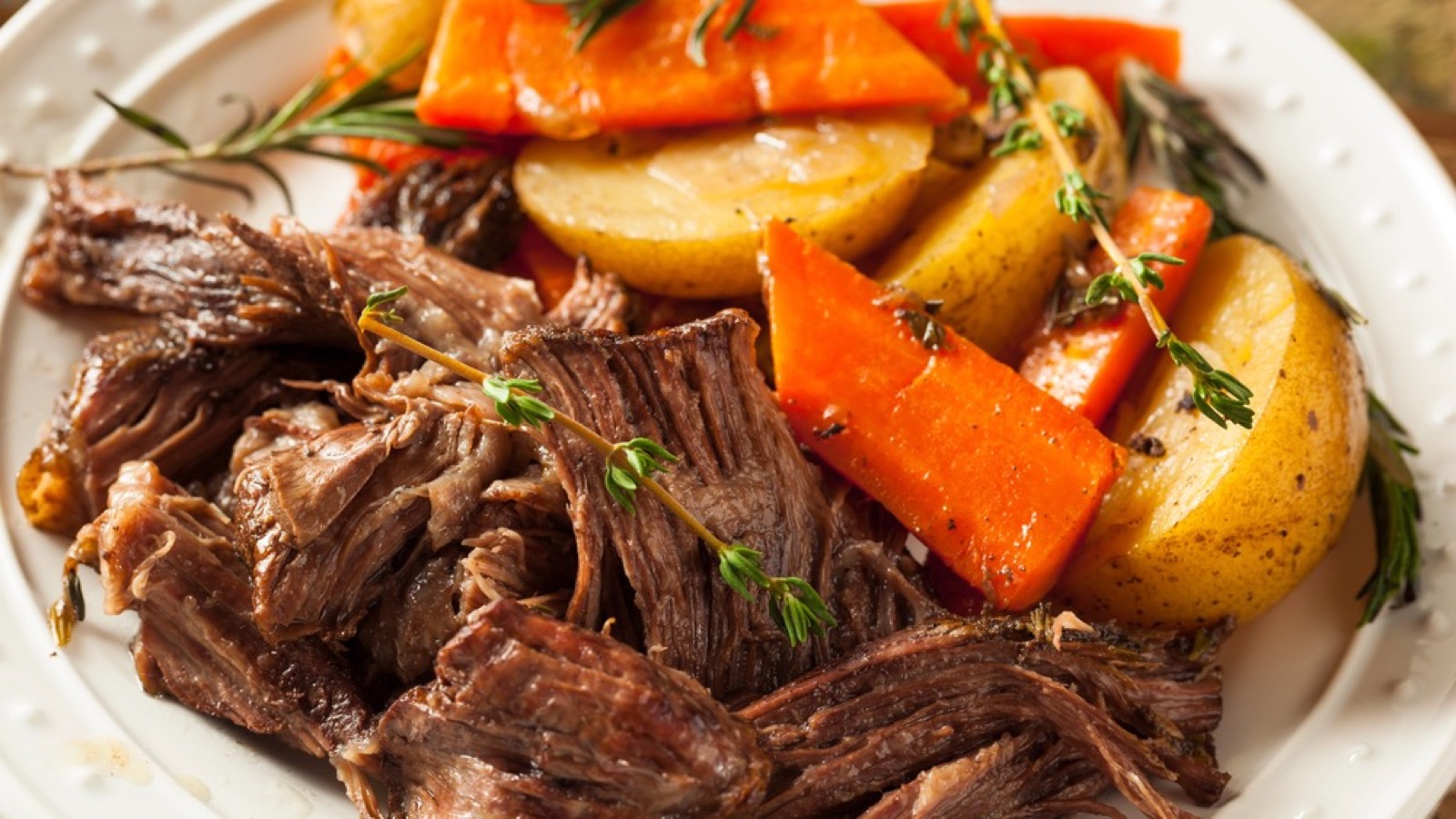
Many brides learned their mother-in-law’s version, since husbands often compared it to the roast they grew up eating. Getting it right could win approval from the whole family.
Pot roast is still a beloved comfort food. For many women who married in the 1960s, it remains a dish full of memories, both happy and stressful.
2. Fried Chicken
In many homes, especially in the South and Midwest, a good wife was expected to make crispy fried chicken. The chicken was dredged in seasoned flour, fried in a cast-iron skillet with lard or shortening, and served with mashed potatoes and gravy.
Frying chicken was a skill that took practice. The oil had to be hot enough to crisp the outside but not so hot that the outside burned before the inside cooked. Many young brides burned their first batches.
Fried chicken was a Sunday favorite and a common dish at church suppers and picnics. A wife who could make great fried chicken earned a lot of praise.
3. Gravy From Scratch
Gravy was a skill that every new wife was expected to master. Pan drippings from a roast or fried chicken were mixed with flour and stirred into a smooth paste, then thinned with milk, water, or broth. The trick was avoiding lumps.
Many husbands judged a meal by its gravy. Lumpy or bland gravy could ruin an otherwise good dinner. Mothers and grandmothers often passed down their own techniques, like whisking constantly or straining the gravy through a sieve.
Gravy from a packet or jar became more common in the 1960s and 1970s. But many older women still pride themselves on making it from scratch.
4. Meatloaf
Meatloaf was a practical weeknight dinner that new wives were expected to know. It was affordable, filling, and easy to stretch with bread crumbs or oatmeal. Many brides learned to make it from a cookbook or their mother’s recipe card.
The challenge was making a meatloaf that was moist and flavorful rather than dry and dense. Many women experimented with different seasonings, sauces, and fillers. Some topped theirs with ketchup, while others used tomato sauce or brown gravy.
Meatloaf became a symbol of everyday family cooking. It was the kind of meal a young wife could make again and again.
5. Homemade Pie
Baking a pie from scratch was considered an essential skill for a new wife. Apple, cherry, and pumpkin pies were especially important for holidays and family gatherings. The crust was the real test, since a tough or soggy crust was considered a failure.
Many women practiced pie crust for years before they felt confident. Some relied on their mother’s or grandmother’s recipes, while others turned to new products like ready-made pie crust mixes.
A good pie was often a point of pride. Women entered pie contests at county fairs and shared slices at church events. For many, it was the ultimate measure of kitchen skill. Many of those pies show up among the forgotten desserts from Grandma’s kitchen.
6. Biscuits or Dinner Rolls
In many homes, a meal was not complete without homemade bread. Southern brides were expected to make light, fluffy biscuits, while Midwestern brides often learned to bake soft dinner rolls. Both required practice and patience.
Biscuits needed cold fat and a light touch to rise well. Rolls required yeast, kneading, and time to rise. Many young wives struggled with flat biscuits or dense rolls at first.
Packaged biscuit dough in a can became popular in the 1950s and 1960s, making it easier for busy wives. But many families still valued homemade bread.
7. Beef Stroganoff
Beef stroganoff was a fashionable dish in the 1960s. It featured strips of beef cooked with mushrooms and onions in a creamy sour cream sauce, served over egg noodles. It was seen as elegant and sophisticated.
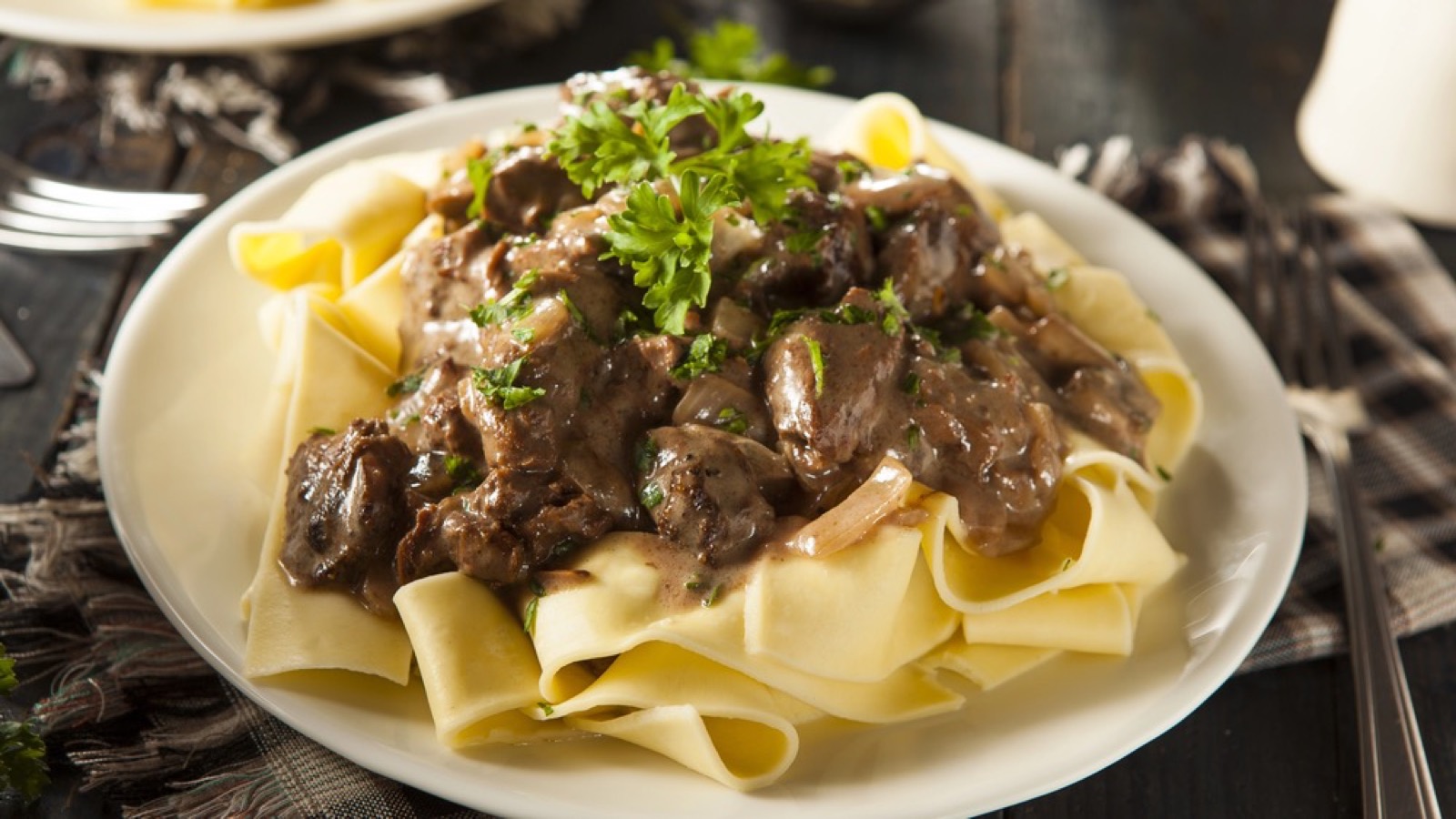
Many young wives made beef stroganoff for dinner parties or special occasions. It was a way to impress guests and show off their cooking skills. Cookbooks and magazines often featured it as a dinner party favorite.
The dish remained popular through the 1970s. Boxed versions, like Hamburger Helper’s stroganoff, later made it even easier.
8. A Holiday Ham or Turkey
Hosting the family for a holiday was a major milestone for a new wife. Roasting a turkey for Thanksgiving or baking a glazed ham for Easter or Christmas required careful planning. Many young women spent days preparing for their first holiday meal.
The turkey had to be cooked through without drying out, which was a challenge in older ovens. Many brides called their mothers in a panic for advice. The USDA Meat and Poultry Hotline has helped home cooks with holiday turkey questions since 1985.
Getting the holiday meal right was a source of pride. It showed that a young woman could take her place as the host of family traditions.
9. A Simple Breakfast Done Right
Breakfast was a daily duty for many 1960s wives. Husbands often expected eggs, bacon or sausage, toast, and coffee before heading to work. Many wives got up early to have breakfast ready on the table.
Cooking eggs to order was a skill in itself. Some husbands wanted them sunny side up, while others preferred them scrambled or over easy. Bacon had to be crisp but not burned, and coffee had to be strong.
Breakfast was a small but important part of daily life. Many women took pride in starting the family’s day with a good meal.
Why the Pressure Was So Strong
In the 1960s, many people believed that cooking was a central part of a woman’s role as a wife. Advertisements, television shows, and magazines often showed happy wives preparing perfect meals for grateful husbands. That message created a lot of pressure.
Many women also felt they were being compared to their mothers-in-law. A husband who grew up with a mother who was an excellent cook might expect his wife to match her skills. Some women felt judged by every meal they made. Many of the unspoken expectations appear in the unspoken rules of a successful marriage older couples still talk about.
How Things Have Changed
Today, cooking is often shared between partners, and many couples cook together. Women are no longer expected to master a list of dishes before marriage. Many men have become skilled home cooks.
Still, many women who married in the 1960s look back on their early cooking days with fondness. They remember their first pot roast, their first holiday meal, and the recipes they eventually perfected. Those dishes became part of their family’s traditions.
Which dish did you feel pressure to master as a new wife, or which meal did your mother learn to cook when she married? Many readers say they still remember their first kitchen disaster.