Lab-Grown Meat Is Hitting Grocery Shelves, but 8 U.S. States Have Already Banned It
A small grocery-store sale in California put cultivated meat in front of shoppers, but the product’s path to American shelves is far from simple. While a cultivated pork product has reached a U.S. retailer, eight states now have laws or temporary restrictions blocking certain commercial activities involving cultivated meat.
The grocery event was also much smaller than the phrase “hitting grocery shelves” might suggest. Mission Barns sold its Italian-style meatballs for one day at Berkeley Bowl West in Berkeley, California, on November 1, 2025. The announced price was $13.99 for a package of eight.
So what exactly was being sold, and why can shoppers find such a product in one state while similar products face restrictions elsewhere?
What Shoppers Actually Bought
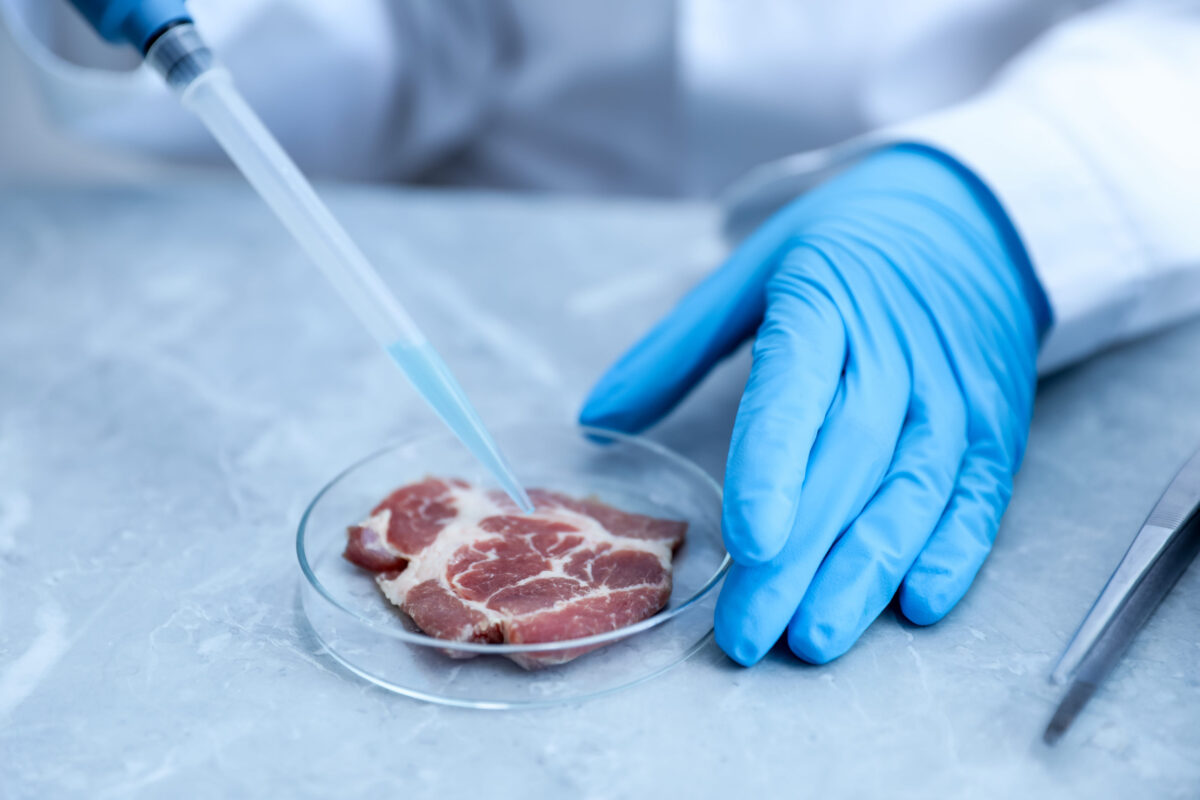
The meatballs were not made entirely from cultivated animal tissue.
Mission Barns used a plant-protein base combined with cultivated pork fat. The cultivated ingredient came from pork cells grown in a controlled environment, while plant ingredients made up the rest of the product. That distinction matters because “cultivated meat” can describe a product containing a cultivated animal ingredient without meaning the entire food is made from cultivated animal tissue.
The Berkeley Bowl event was specifically described as a one-day retail sale. Mission Barns also held an in-store demonstration and launched a tasting series around the event, but those sampling activities should not be confused with additional grocery sales.
For shoppers, that means the California event was an important retail milestone, but it does not show that cultivated meat is now a routine supermarket item across the country. The available evidence supports a limited retail offering rather than a broad national rollout.
Eight States Have Restrictions
The state picture is considerably different from the California grocery example.
The eight states identified in the research are Alabama, Florida, Indiana, Mississippi, Montana, Nebraska, Texas, and South Dakota. But calling all eight situations identical would be misleading. The count includes both prohibitions and temporary moratoriums, and the laws do not all cover exactly the same activities.
Alabama prohibits manufacturing, selling, holding, or offering cultivated food products for sale, as well as distributing them. Florida similarly restricts the manufacture for sale, sale, holding or offering for sale, and distribution of cultivated meat.
Mississippi, Montana and Nebraska also have restrictions covering commercial activities involving cultivated or cell-cultured food products. Texas prohibits offering for sale or selling cell-cultured protein for human consumption.
Three of the restrictions are specifically time-limited.
Indiana’s moratorium runs from July 1, 2025, through June 30, 2027. Texas’s sales prohibition expires September 1, 2027. South Dakota’s restriction began July 1, 2026, and runs through June 30, 2031.
That also explains why “banned” needs some context. The eight-state figure does not mean that every state has imposed a permanent prohibition covering every possible activity involving cultivated meat. It also does not establish that all eight states prohibit simply possessing or eating such products.
Federal Review and State Law Are Separate
Cultivated meat also has to navigate federal oversight.
The FDA evaluates cultivated animal-cell products through a product-specific premarket consultation process. That review can examine the production process, cell lines, manufacturing controls, and other components involved in making the food. For Mission Barns, the FDA completed its consultation concerning the company’s cultivated pork-fat cells on March 7, 2025.
That does not mean one federal review automatically clears every cultivated-meat product on the market. The FDA’s process is product-specific, and products under USDA jurisdiction also have to meet applicable USDA requirements before marketing.
The federal and state questions are therefore separate. A product can move through the federal regulatory process while still facing a state restriction on selling it.
The regulatory responsibilities are divided as well. For cultivated livestock and poultry products, the FDA generally oversees areas such as cell collection, cell banks, growth and differentiation, while USDA’s Food Safety and Inspection Service takes over relevant oversight at harvest and handles areas including inspection and label approval.
What This Means for Grocery Shoppers
For now, shoppers should not assume that cultivated meat has become a standard item at major grocery chains.
The documented U.S. retail example was a limited event at Berkeley Bowl West, not evidence of continuing nationwide supermarket availability. September 2026 reporting also described the industry as small and availability as limited.
State law can also make a major difference in whether these products can be sold commercially. Meanwhile, federal review remains product-specific rather than a blanket clearance covering every cultivated food.
That leaves shoppers with two separate questions: Can this particular product be sold, and is it actually available where I shop? The answer can depend on both the product and the state.
Cultivated meat has moved from a developing food technology to a product that has reached a U.S. grocery retailer. But the eight-state restrictions show that its place in the American food market is still being worked out, one state and one product at a time.