The Small Thank-You Wave on the Road Says a Lot: 10 Traits Shared by People Who Never Skip It
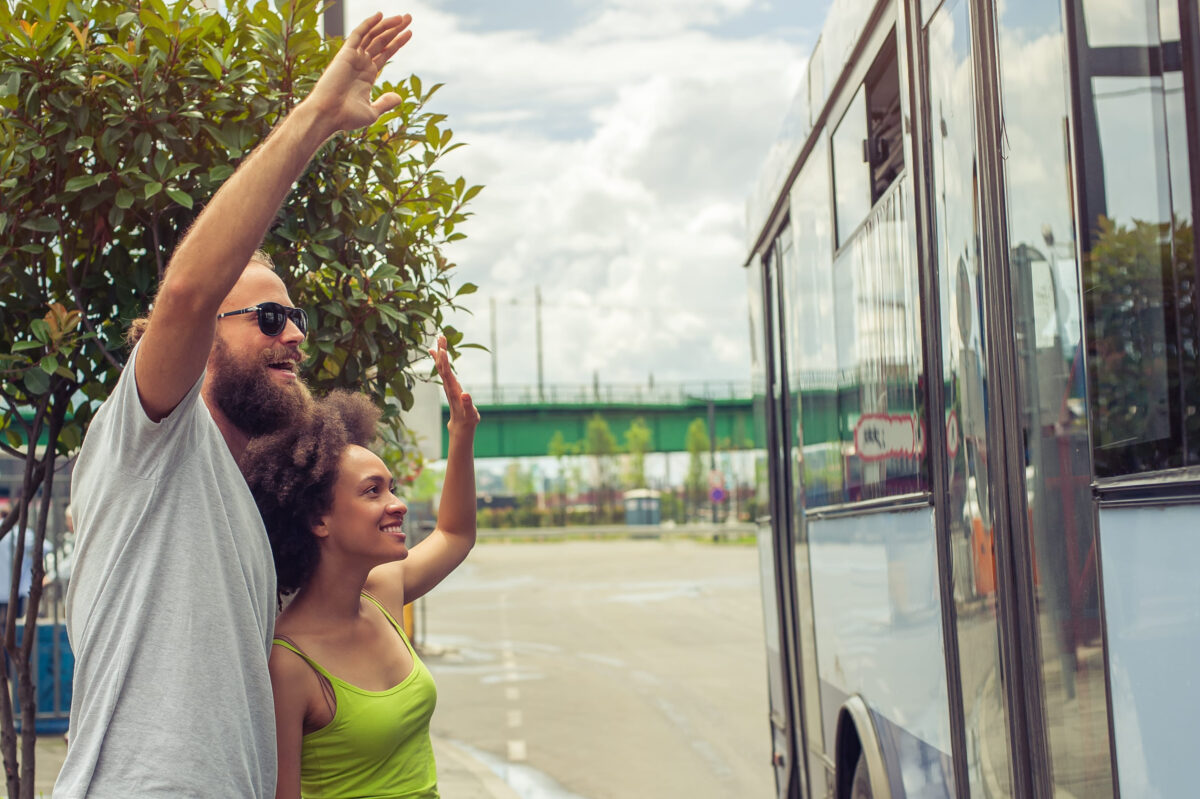
It is one of those tiny road habits that take almost no effort. Someone lets you merge, makes room in a tight passage, or gives you a little extra space, and you lift a hand to say thanks.
That small wave does more than acknowledge the moment. It can reflect a person’s approach to appreciation, cooperation, and everyday interactions with other people. It is not a personality test, and one wave cannot reveal someone’s entire character, but the habit can express some interesting qualities.
Appreciation for Small Favors
guruxox via 123rf Photos
People who regularly acknowledge small courtesies tend to recognize that even minor acts can make an interaction easier.
A driver does not have to perform some extraordinary favor to deserve a thank-you. Making room in traffic is a small gesture, but the wave shows that the person receiving it noticed and appreciated what happened.
Attentiveness to Other People
The wave requires noticing what another driver has done.
It is easy to focus only on the open space ahead and forget that another person created the opportunity to move through it. A quick acknowledgment shifts some attention toward the person who helped make the interaction smoother.
That does not mean every habitual waver is unusually observant. It simply shows attention to another person’s contribution in that moment.
Willingness to Give Credit
A thank-you is also a way of giving someone else credit.
Instead of treating a successful merge or passage as something that simply happened, the gesture recognizes that another driver cooperated. The message is simple: you helped, and I noticed.
That other-focused quality is part of what makes gratitude different from simply feeling pleased about getting what you wanted.
An Agreeable Interpersonal Style
Gratitude has been associated with agreeableness, a personality trait connected with cooperation and consideration.
That makes the thank-you wave a natural fit for someone who treats shared spaces as interactions rather than constant contests. There is no need to agree with everyone to be considerate; the quality is more about cooperating when cooperation is possible.
A small gesture can therefore fit into a broader habit of treating other people with consideration.
Humility About Needing Other People
Nobody moves through everyday life entirely on their own.
Sometimes another person’s consideration is what makes a situation easier, whether that means making room on the road or helping in another ordinary interaction. A wave acknowledges that contribution without taking anything away from the person receiving the favor.
That is a different kind of humility from putting yourself down. It is simply recognizing that other people sometimes make your day go more smoothly.
Social Warmth
A quick wave can make an otherwise impersonal interaction feel a little more human.
Instead of two vehicles simply passing through the same space, there is a brief acknowledgment between the people inside them. Gratitude has been associated with warmer impressions and greater feelings of closeness, giving even a small expression of thanks a social dimension.
The gesture does not prove that someone is warm in every part of life. It simply gives the interaction a friendly tone.
Readiness to Communicate Appreciation
Feeling thankful and actually expressing it are two different things.
Someone can appreciate another driver’s courtesy without making any gesture at all. The person who waves turns that private reaction into a visible acknowledgment.
That does not require being especially outgoing. A reserved person can communicate appreciation with one quick movement of the hand and continue on their way.
A Reciprocal Approach to Courtesy
Courtesy often works best when it moves in both directions.
One driver makes room, another acknowledges the gesture, and the interaction ends with both people having contributed something. Research on expressed gratitude has found that receiving thanks can encourage people to continue helping, including in situations involving someone else.
A wave is not a guarantee that another driver will return the favor later. It simply gives the original courtesy a polite response.
A Cooperative View of Shared Space
Roads are shared spaces, so getting anywhere often requires some degree of coordination.
Drivers yield, make room, and adjust to what other people are doing. A thank-you wave fits into that larger pattern because it acknowledges cooperation instead of treating every interaction as a competition.
Research on prosocial road behavior includes helping and yielding to other road users, while acknowledgment gestures such as waving can form part of that cooperative communication.
Consideration for Making Others Feel Valued
There is a difference between receiving a favor and making the other person feel that the favor mattered.
A thank-you wave can provide that small piece of recognition. The message is not simply, “I got through.” It is closer to, “I noticed that you helped me get through.”
That distinction can make a brief encounter feel more respectful. The gesture gives value to the other person’s contribution, even when the interaction lasts only a few seconds.
The next time you see that little hand wave after making room for someone, it may be more than a reflex. It is a tiny form of acknowledgment: someone noticed the courtesy, appreciated it, and took a moment to say so.