Where Does Costco Get Its Beef, Chicken, Pork and Fish? Here’s What We Found
Costco’s meat department has a loyal following. Shoppers swear by its steaks, its ground beef, its salmon, and of course its famous rotisserie chicken, which has stayed at $4.99 for years while almost everything else in the store has gone up. Many members say they buy most of their family’s meat there and wouldn’t go anywhere else.
But where does all that meat and fish actually come from? Costco doesn’t print a farm name on every package, and the answer is different for each type of protein. Some of it comes from a massive chicken operation that Costco helped build in Nebraska, some from large beef companies, and some from fisheries and fish farms around the world.
We didn’t visit a warehouse or read package labels for this story. Instead, we looked at public records, Costco’s own sustainability reports, and reporting by food and trade publications. Here’s what those sources show about where Costco gets its chicken, beef, pork, and seafood.
Chicken: Costco’s Own Nebraska Operation
The biggest story in Costco’s meat supply is chicken. In 2019, Costco opened its first poultry processing complex in Fremont, Nebraska, operated by an affiliate called Lincoln Premium Poultry. The project included a processing plant, a hatchery, and a feed mill, along with contracts with local farmers who raise the birds in their own barns.
According to Grocery Dive, the Nebraska facility can process an estimated 100 million birds per year, including about one-third of Costco’s rotisserie chickens. Trade reports at the time said the plant was designed to handle roughly 2 million chickens a week. Costco built it partly to control costs, which helps keep the rotisserie chicken price so low.
Nebraska officials celebrated the plant as a major economic boost, and the state’s economic development office highlighted the jobs and the farmers who signed long-term contracts to raise chickens for it. Many of those growers built new barns specifically to supply Costco.
The Rest of the Chicken Supply
The Nebraska complex doesn’t supply all of Costco’s chicken. Costco also buys from other large poultry companies around the country to stock its stores. That’s why the rotisserie chickens in some regions may come from different suppliers than those in others.
The Nebraska operation has also drawn criticism. In 2021, the animal rights group Mercy for Animals released undercover video from a farm supplying Lincoln Premium Poultry, showing crowded barns and injured birds. Costco responded that it and Lincoln Premium Poultry maintain high animal welfare standards, that growers are regularly audited, and that it would use the findings to make improvements. Advocacy groups continue to push Costco to adopt stricter standards for how its chickens are raised.
Beef: Large Suppliers and a California Grinding Plant
Costco’s beef comes from several large suppliers, and not all of them are publicly named. One that’s often mentioned is Harris Ranch Beef Company, based in California’s Central Valley. According to Chowhound, a large portion of Costco’s beef comes from Harris Ranch, which produces more than 200 million pounds of beef a year. Harris Ranch’s feedlot and beef business were bought by Central Valley Meat Company in 2019, though it still operates under the Harris Ranch name.
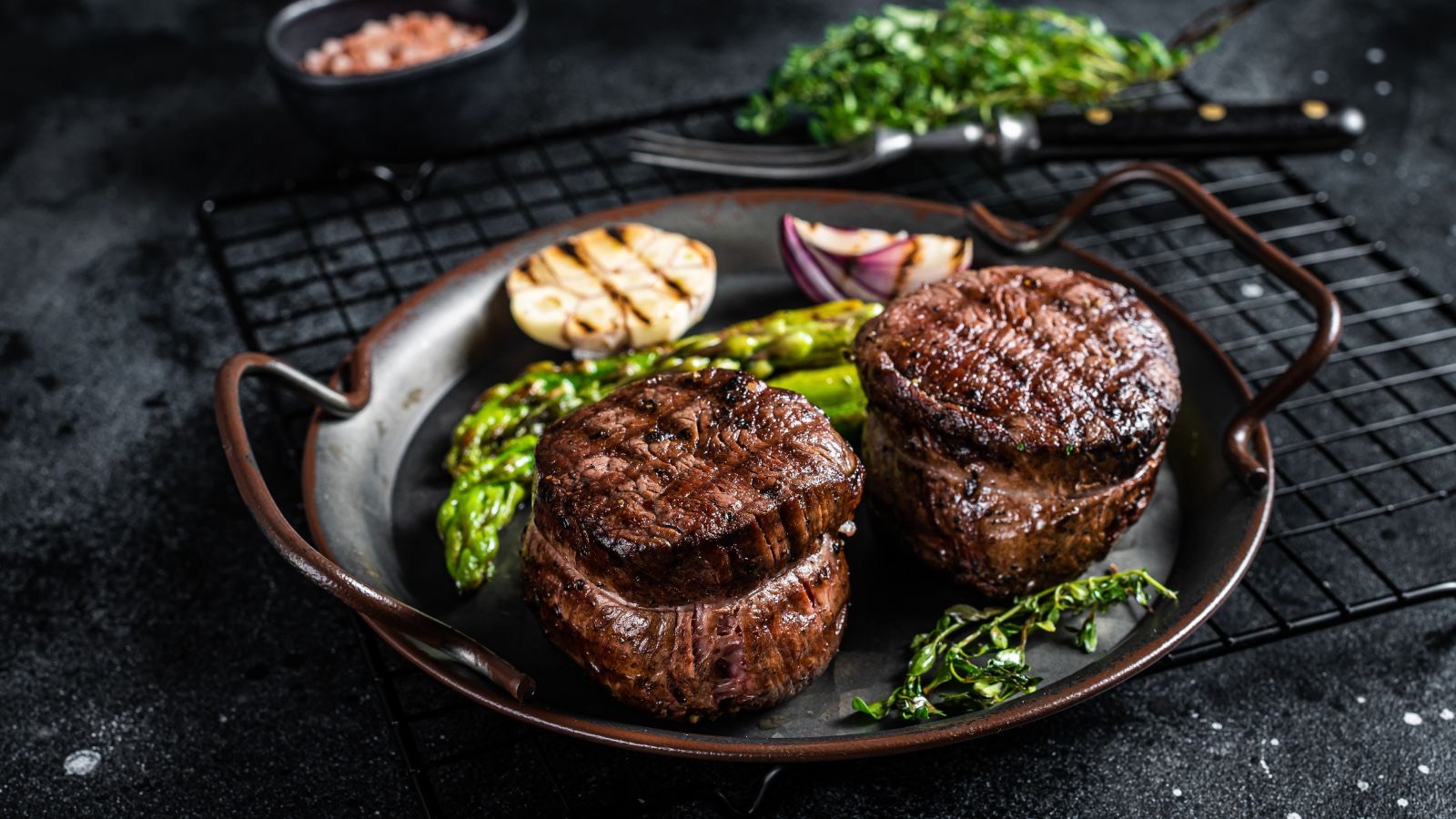
Costco also runs its own meat grinding and processing facility in Tracy, California, which has been in operation since the mid-2000s. Trade reports describe it as producing ground beef and other items in large volumes. Costco has long been known for its strict testing for E. coli in ground beef, a practice food safety observers have praised for going beyond what the government requires.
Costco has said in its sustainability reporting that the large majority of beef in its Kirkland Signature products comes from the United States, Canada, and New Zealand. Its stores also sell USDA Prime and Choice steaks, which are graded by the U.S. Department of Agriculture for quality.
Pork: The Gestation Crate Question
Costco hasn’t publicly listed all of its pork suppliers. But its pork policies have made news for more than a decade, mostly because of gestation crates, the small metal stalls used to house pregnant sows on many hog farms.
In 2012, Costco asked its pork suppliers to phase out gestation crates, according to Supermarket News. The company later set a goal of having its fresh pork come from suppliers using open-pen or group housing for sows. Animal welfare groups have tracked its progress closely and have sometimes criticized changes in the company’s wording. Costco has reported that the large majority of its fresh pork now comes from pigs raised in group housing, though advocates continue to press for a complete phase-out.
Seafood: Wild Fisheries and Fish Farms
Costco sells both wild-caught and farm-raised seafood, and the source depends on the product. Its Kirkland Signature farmed Atlantic salmon is one of its best-known items, while it also sells wild salmon, such as Alaska sockeye, especially in season.
Costco says it aims to source its Kirkland Signature wild seafood from fisheries certified by the Marine Stewardship Council first, and to support fishery improvement projects where certified supply isn’t available. For farmed seafood, Costco says it gives priority to suppliers certified by the Aquaculture Stewardship Council or similar programs. The company has also said it does not plan to sell genetically modified salmon.
Many of Costco’s farmed salmon suppliers belong to the Global Salmon Initiative, an industry group that has committed to raising standards across salmon farming. Package labels must show the country of origin and whether fish is wild or farmed, so shoppers can check each package in the store.
How Costco Checks Its Suppliers
Costco says it uses third-party audits to check animal welfare at farms and processing plants that supply its meat. According to its animal welfare reporting, these audits cover beef, pork, poultry, and veal, among other species. The company has worked with animal science experts, including Dr. Temple Grandin, in developing its welfare standards.
In 2018, Costco also adopted a policy restricting the use of medically important antibiotics in its meat and poultry supply chain to treating sick animals under a veterinarian’s care. That policy covers the Nebraska chicken operation.
Why Costco Controls So Much of Its Supply
Costco’s approach to meat is unusual among big retailers. By building its own chicken plant and grinding its own beef, it can control quality, safety, and cost more closely than if it bought everything from outside suppliers. That control is part of why it can keep prices so low on items like rotisserie chicken.
That strategy reflects how much meat Costco sells. Its warehouses move huge volumes of chicken, beef, and pork every week, and even small savings per pound add up. It’s the same kind of thinking behind the Walmart holiday meal basket and other big-store deals that draw budget-minded shoppers.
What This Means for Shoppers
For most Costco members, the meat they buy comes from large, highly regulated suppliers that are inspected by the USDA. Costco adds its own testing and audits on top of that. Shoppers who want to know more about a specific product can check the package label for origin, grade, and certifications, or ask the meat department staff.
If animal welfare matters to you, look for labels such as organic, grass-fed, or third-party welfare certifications, which Costco carries on some products. Shopping smart for meat is one of the most useful frugal living tips for families watching their budgets.
Did you know Costco runs its own chicken operation in Nebraska, and does knowing where your meat comes from change what you buy? Many readers say the $4.99 rotisserie chicken is still the best deal in the store.