How Long Canned Food Really Lasts, According to the USDA, and 6 Signs a Can Belongs in the Trash
Almost every pantry has a few cans that have been sitting in the back for longer than anyone can remember. A can of pumpkin from two Thanksgivings ago. Green beans bought on sale. A tin of soup that moved with you from your last apartment.
So how long is canned food actually good for? The U.S. Department of Agriculture’s answer is more specific than most people expect, and it depends mostly on one thing: how acidic the food inside the can is.
Here is what the USDA’s Food Safety and Inspection Service (FSIS) says about canned food shelf life, along with the warning signs that a can should be tossed no matter what the date says.
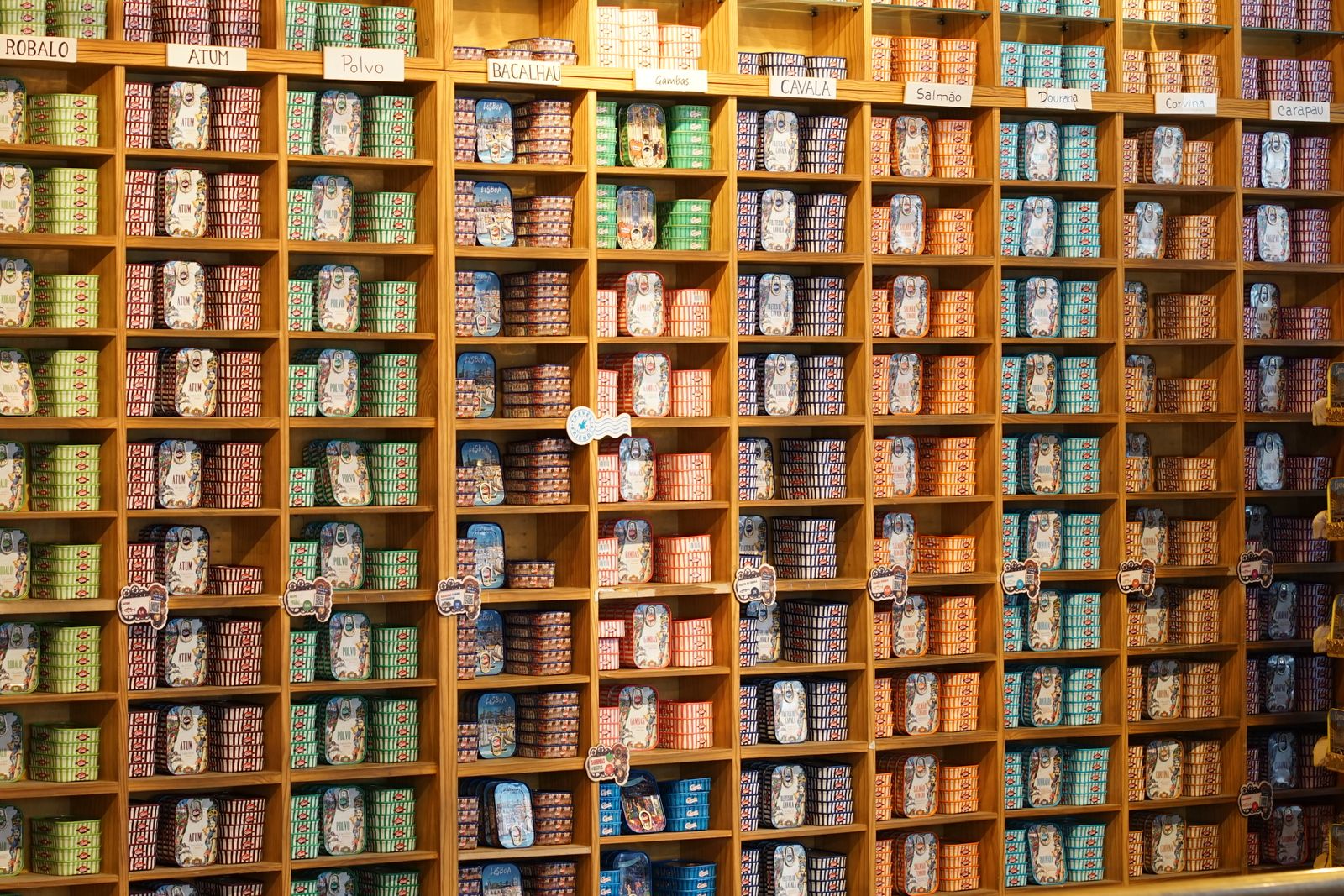
High-Acid vs. Low-Acid: Why It Matters
If you enjoy this kind of thing, Frenz Hub’s 15 Poor People Foods That Even the Wealthy Eat is worth a read too. According to the FSIS guide to shelf-stable food, canned goods fall into two broad groups.
High-acid canned foods include tomatoes, fruit juices, pineapple, berries, and pickles. The USDA says these keep their best quality for 12 to 18 months on the shelf. Acidic foods react with the metal of the can over time, which is why they don’t last as long.
Low-acid canned foods include canned meat and poultry, most soups (except tomato), beans, corn, peas, and potatoes. The USDA says these can be stored for 2 to 5 years. We also covered this angle in 9 Pantry Staples That Are Still Cheap in 2026.
Frenz Hub took a similar look at everyday life in 20 Kitchen Mistakes That Are Making Us Cringe. Those time frames are about quality, not a hard expiration. Commercially canned food is heat-processed and sealed so it does not spoil the way fresh food does, but texture, color, flavor, and nutrients slowly decline the longer it sits.
Once It’s Open, the Clock Speeds Up
After you open a can, the rules change. The USDA says opened high-acid foods keep 5 to 7 days in the refrigerator, while opened low-acid foods keep only 3 to 4 days.
You can refrigerate leftovers right in the can, but the agency notes that moving them to a glass or plastic container helps preserve flavor and quality.
Where You Store Cans Makes a Big Difference
Heat is the enemy of canned food. The USDA recommends a cool, dry spot, ideally below 85°F. It warns against storing cans above or next to the stove, under the sink, or in a damp garage or basement. Temperatures over 100°F are especially harmful, and the risk of spoilage rises sharply as storage gets hotter. For a related read, Frenz Hub has 25 DIY Projects That Will Make Your Life Much Easier.
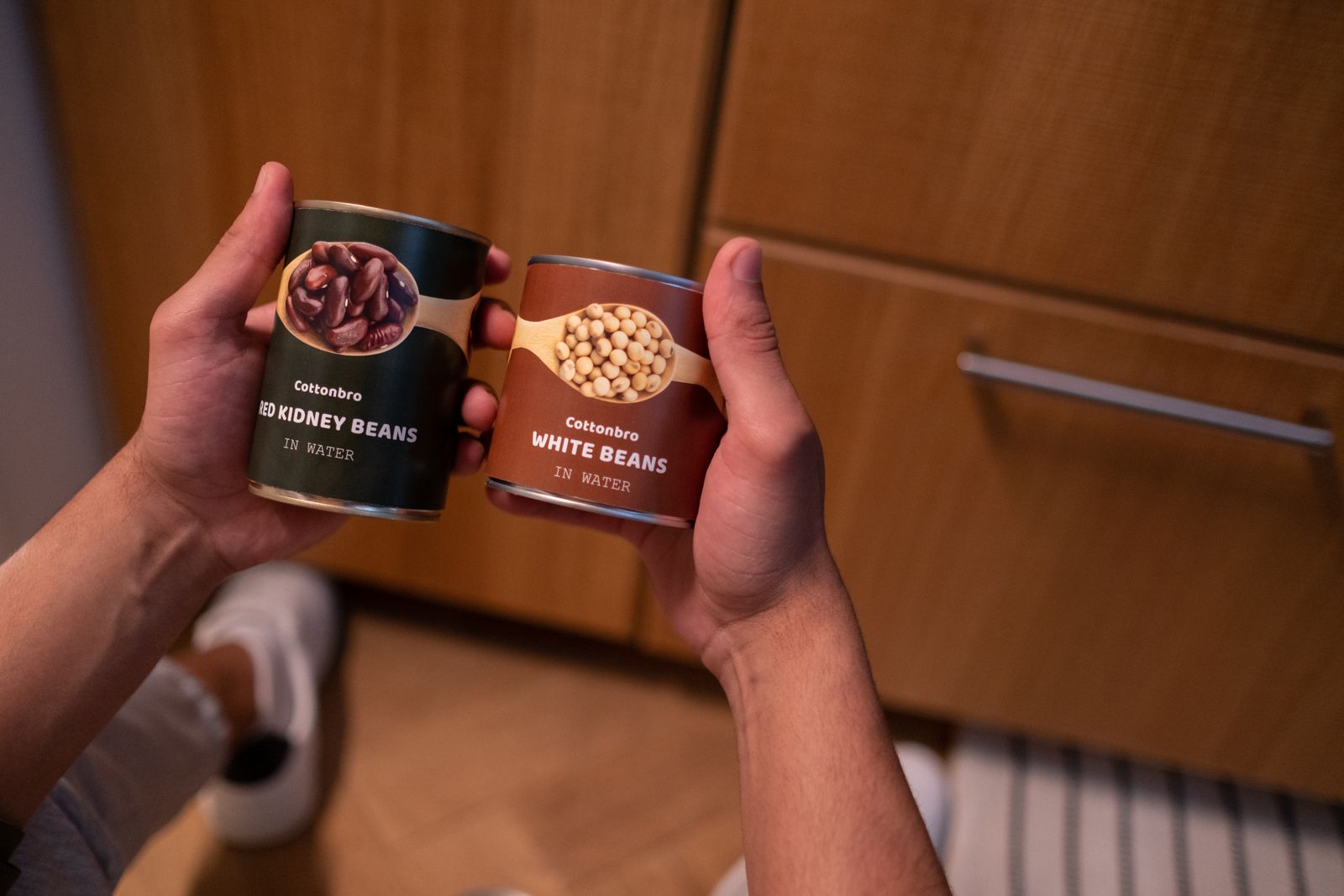
6 Signs a Can Should Go in the Trash
It pairs well with our earlier story, 7 Things Grandma Did at the Grocery Store That Saved Her a Fortune. The USDA lists several warning signs that mean a can is not worth the risk. If you see any of these, throw it out without tasting the contents.
- It’s bulging or swollen. A swollen can is a red flag, and the USDA says never to eat food from one.
- It’s leaking. Leaking cans should be discarded.
- It has a deep dent, especially on a seam. A small dent on an otherwise sound can is generally fine, but deep dents, particularly along the top or side seam, can damage the seal and let bacteria in.
- It’s heavily rusted. Surface rust that wipes off easily is not serious, but heavy rust can create tiny holes. If you find rust inside an opened can, don’t eat the food.
- It spurts or hisses loudly when opened. Some sound is normal, but the USDA says forceful spurting or loud hissing may mean the food is unsafe.
- It froze and thawed improperly. Cans left in a freezing car or garage can expand. The USDA says to discard any frozen can that is swollen, cans that thawed above 40°F, and cans that thawed and then refroze.
What About Canned Ham?
Not every can is shelf stable. The USDA notes that some canned hams and seafood are labeled “Keep Refrigerated” and are not safe at room temperature. Shelf-stable canned hams, generally 3 pounds or smaller, can be stored at room temperature for 2 to 5 years. Always check the label.
A Quick Pantry Plan
The simplest habit is “first in, first out.” Put new cans behind older ones, check your shelves every few weeks, and use up the oldest cans first. That keeps quality high and cuts down on waste.
A well-rotated pantry is also one of the easiest ways to stretch a grocery budget.
For questions about a specific product, the USDA Meat and Poultry Hotline is available at 1-888-MPHotline (1-888-674-6854).