How Grandma Fed a Family of Six on a Single Paycheck
Many of us grew up hearing stories about how Grandma kept a big family fed when there was only one income coming into the house. Grandpa worked, Grandma ran the household, and somehow there was a hot meal on the table every night for four, five or six kids. There was dessert on Sundays, packed lunches on school days and enough left over to feed the neighbor kid who always seemed to show up at suppertime.
Looking back, it can seem almost impossible, especially when today’s grocery receipts make many families wince. But Grandma wasn’t working miracles. She was following a set of habits that made every dollar, every scrap of food and every hour in the kitchen count. Here’s how Grandma fed a family of six on a single paycheck, and which of her habits are still worth borrowing today.
Food Took a Bigger Bite of the Budget
It helps to understand that families in Grandma’s day spent a much bigger share of their income on groceries. According to the USDA’s Economic Research Service, Americans spent 13.7 percent of their disposable income on food at home in 1960, compared with 5.7 percent in 2000, as its chart on food at home spending shows. In other words, groceries were one of the biggest items in the family budget.
That meant Grandma treated the grocery money with great care. She often had a set amount for the week, kept in an envelope or a coin purse, and when it was gone, it was gone. Eating out was a rare treat, so nearly every meal was cooked at home from scratch.
She Planned Every Meal Before Shopping
Grandma rarely walked into the grocery store without a plan. She sat down at the kitchen table, looked at the weekly sale flyer from the newspaper and planned meals around what was cheap that week. If chicken was on sale, the family ate chicken several ways, and if ground beef was marked down, there was meatloaf, spaghetti and sloppy joes.
Many families also followed a weekly routine that made planning easier. Monday might be leftovers from Sunday dinner, Wednesday was spaghetti night and Friday was fish or macaroni and cheese. That rhythm cut down on waste and impulse buying, and it meant everyone knew what to expect.
She Stretched Meat as Far as It Could Go
Meat was one of the most expensive items on the grocery list, so Grandma made a little go a long way. A pound of ground beef could be stretched with breadcrumbs, oats, rice or chopped vegetables to make meatloaf or meatballs for the whole family. Casseroles, soups and stews used small amounts of meat mixed with noodles, potatoes and beans.
Sunday dinner was often a roast chicken or pot roast, and nothing went to waste afterward. Leftover roast became hash or sandwiches on Monday, and the bones went into a pot of soup by midweek. Cheaper cuts were slow-cooked until tender, and meatless meals of beans, eggs or macaroni and cheese filled in the gaps.
She Cooked and Baked From Scratch
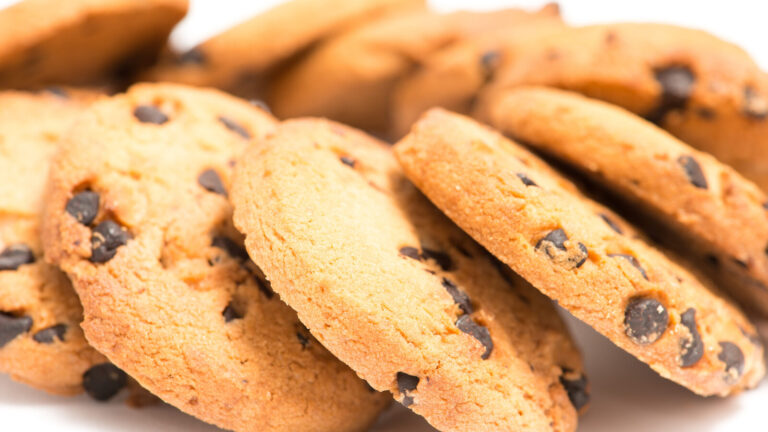
Convenience foods were growing more popular in the 1950s and 1960s, but many of them cost more than homemade. Grandma baked her own bread, biscuits, cakes and pies, and she made her own pancake mix, gravy and salad dressing. A bag of flour, a tin of shortening and a few eggs could turn into a week’s worth of baked goods.
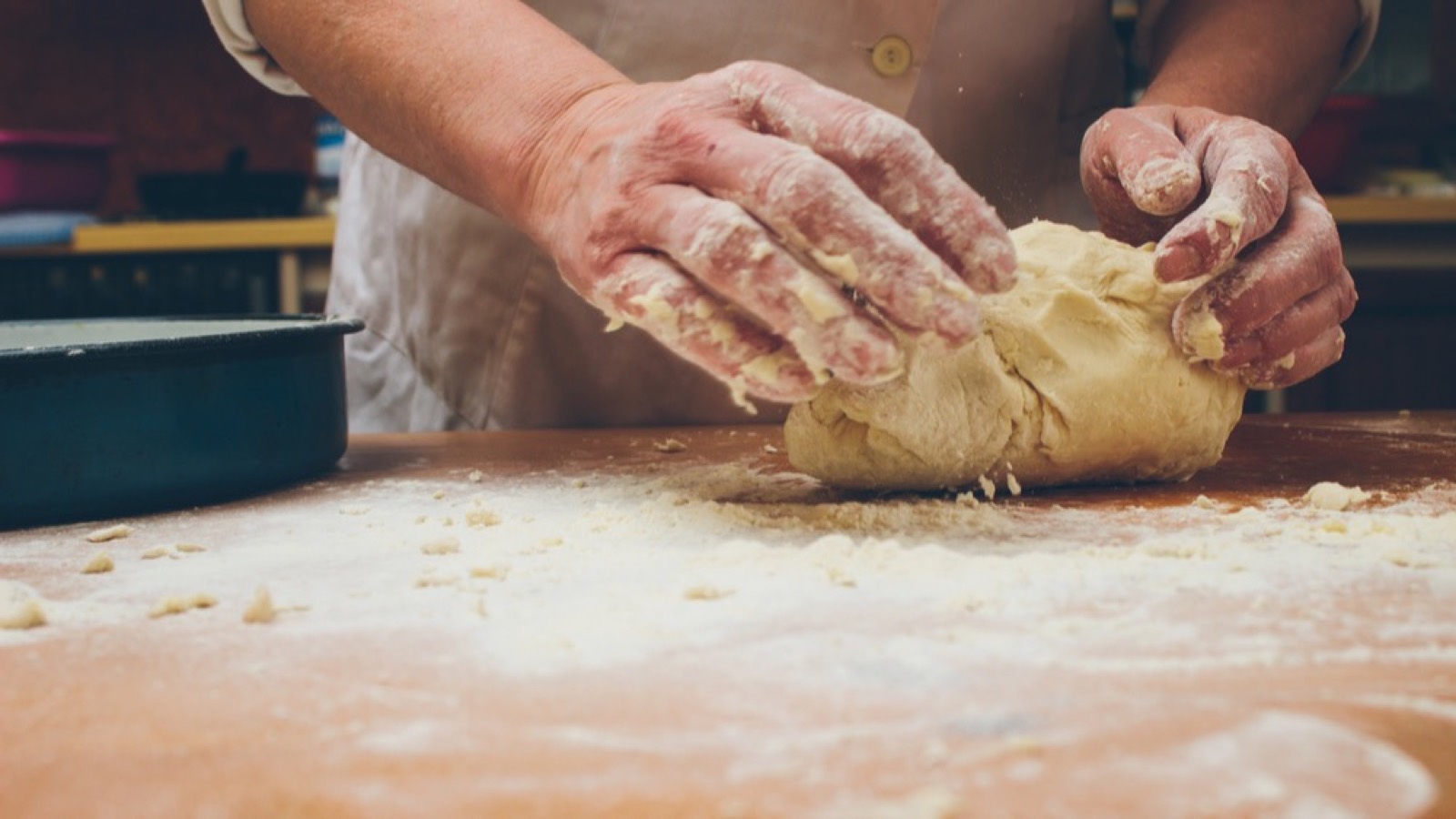
Cooking from scratch also meant she could use what she had on hand. She knew how to substitute ingredients, make do without eggs or milk when money was tight and turn odds and ends into a meal. NPR has written about the “desperation pies” bakers created during lean times, and that same creativity showed up in kitchens across the country.
She Grew, Canned and Preserved Food
Many families kept a vegetable garden in the backyard, even in towns and cities. Tomatoes, green beans, cucumbers, squash and lettuce helped cover fresh produce all summer long. Some families also kept a few chickens for eggs or traded extra vegetables with neighbors.
At the end of the season, Grandma spent long, hot days canning tomatoes, pickles, jams and green beans for the winter. The shelves in the basement or pantry filled up with glass jars that would feed the family for months. If you’d like to try home canning today, the National Center for Home Food Preservation offers tested guidance on how to can safely, and freezing is an easier option for beginners who want to freeze fresh green beans or other garden vegetables.
She Never Let Anything Go to Waste
Waste simply wasn’t an option in Grandma’s kitchen. Stale bread became bread pudding, French toast or breadcrumbs, and overripe bananas turned into banana bread. Bacon grease was saved in a can by the stove and used for frying, and vegetable scraps went into the soup pot.
Leftovers were planned, not just tolerated. A big pot of beans on Monday could become chili on Tuesday and bean soup on Wednesday. Many grandmothers also kept certain kitchen staples within arm’s reach, which made it easy to turn leftovers into something new.
She Bought in Bulk and Stocked the Pantry
Grandma bought staples like flour, sugar, rice, oats, dried beans and potatoes in large bags whenever she could afford to. Buying in bulk lowered the price per pound and meant fewer trips to the store. A well-stocked pantry also helped the family get through lean weeks when money ran short.
Some families bought a side of beef or half a hog from a local farmer and kept it in a chest freezer. Others joined together with relatives or neighbors to split large purchases. Those habits helped stretch a single paycheck much further than buying a little at a time.
The Whole Family Pitched In
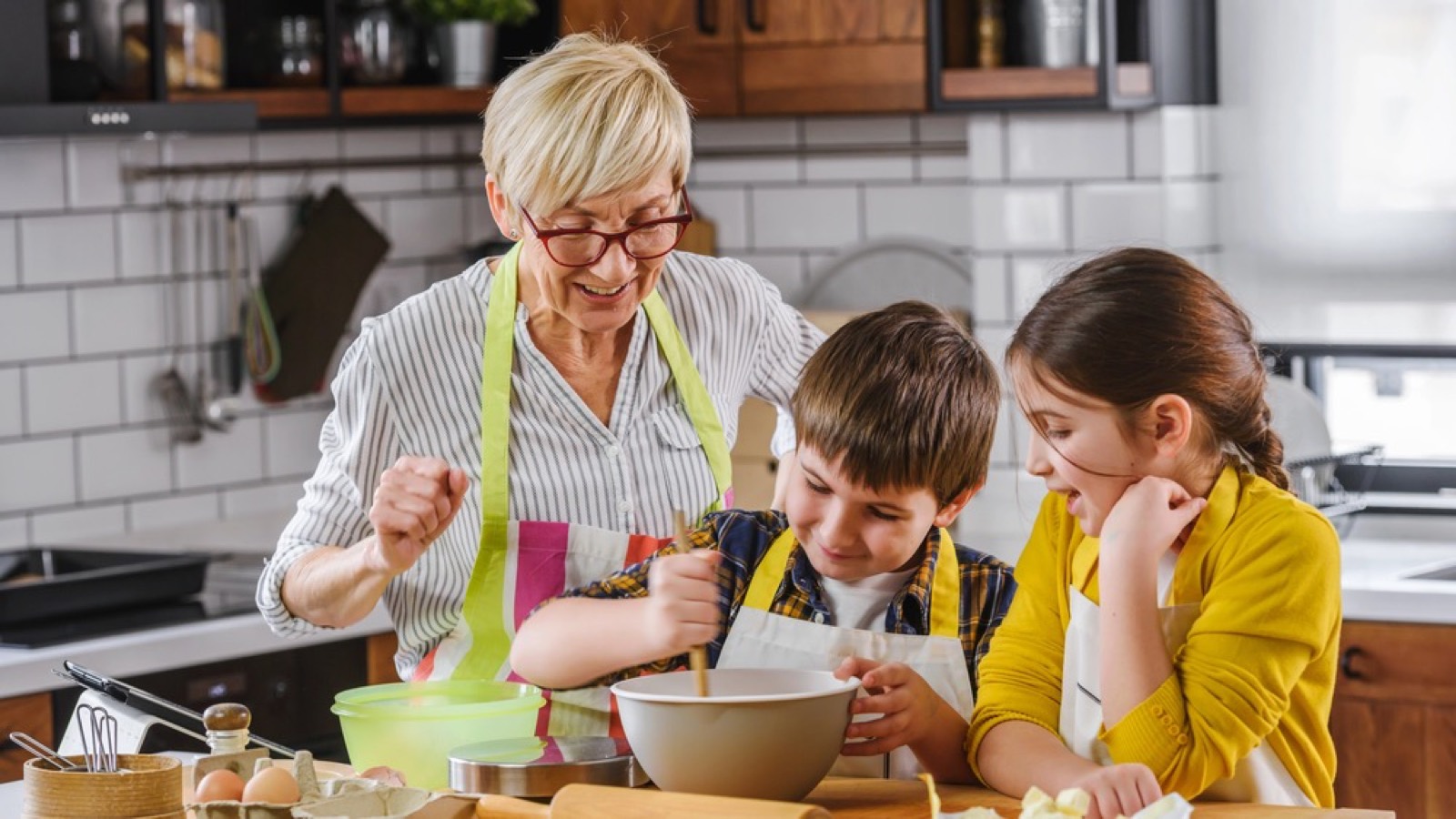
Feeding a family of six was a team effort. Children helped with chores like snapping beans, peeling potatoes, setting the table and washing the dishes. Older kids often took on more responsibility, from watching younger siblings to helping cook dinner.
Family meals were also a time to come together, and everyone ate the same food at the same table. There were no separate meals for picky eaters, and kids learned to eat what was served. That simple rule saved both time and money.
What We Can Learn From Grandma Today
Life looks very different today, and many households rely on two incomes and busy schedules. But Grandma’s habits still work, from planning meals around sales to cooking more at home and using up leftovers. Even small changes, like baking your own bread or making a big pot of soup each week, can lower the grocery bill.
Her approach also brought families closer, since cooking and eating together were part of daily life. Many of her habits line up with today’s wallet-friendly life hacks, proving that good ideas never really go out of style. How did your grandmother or mother stretch the grocery money, and which of her habits do you still use today?