7 Foods Americans Were Suspicious of Before They Became Favorites
It’s hard to imagine an American kitchen without tomatoes, a Friday night without pizza or a party without a bowl of guacamole. These foods feel so familiar that it seems like they’ve always been part of everyday life. But many of today’s favorites were once viewed with suspicion, confusion or even fear.
Some were thought to be poisonous. Others were considered strange foreign foods, odd health fads or something only poor people ate. It often took clever marketing, a war, a new name or a whole generation of curious eaters to change people’s minds. Here are seven foods Americans were suspicious of before they became favorites, and the stories of how they finally won the country over.
1. Tomatoes
For a long time, many people in Europe and early America were wary of tomatoes. The plant belongs to the nightshade family, which includes some genuinely poisonous species, and early herbal guides warned against it. Smithsonian Magazine explains that in Europe, the tomato even earned the nickname “poison apple,” partly because wealthy diners who ate them off pewter plates sometimes became ill, as acidic tomatoes could draw lead out of the dishes, according to its history of the feared tomato.
Not everyone was afraid. Thomas Jefferson grew tomatoes at Monticello, and by the mid-1800s, tomatoes were showing up in American cookbooks and gardens. There’s a popular legend about a man named Robert Gibbon Johnson eating a basket of tomatoes on a New Jersey courthouse steps to prove they were safe, but historians have never been able to confirm it. Either way, the tomato went on to become one of the most popular garden crops in the country.
2. Avocados
Avocados had an image problem in their early American years, and part of it was the name. Many people knew the fruit as the “alligator pear,” thanks to its bumpy green skin and pear-like shape. That didn’t exactly sound appetizing to shoppers who had never tasted one.
California growers decided the name had to go. In 1915, they formed an association and settled on “avocado,” a name that traces back through Spanish to the fruit’s original Aztec name, as NPR explains in its story on the avocado’s name. Over the following decades, marketing campaigns, the popularity of guacamole and the rise of Mexican restaurants turned avocados into a grocery staple. Today, avocado toast is on brunch menus across the country.
3. Pizza
Pizza arrived with Italian immigrants in the late 1800s and early 1900s. For years, it was mostly found in Italian neighborhoods in cities like New York, and many Americans outside those communities had never tried it. One of the first licensed pizzerias in the country, G. Lombardi’s in Manhattan, got its license in 1905, according to History.com’s pizza history.
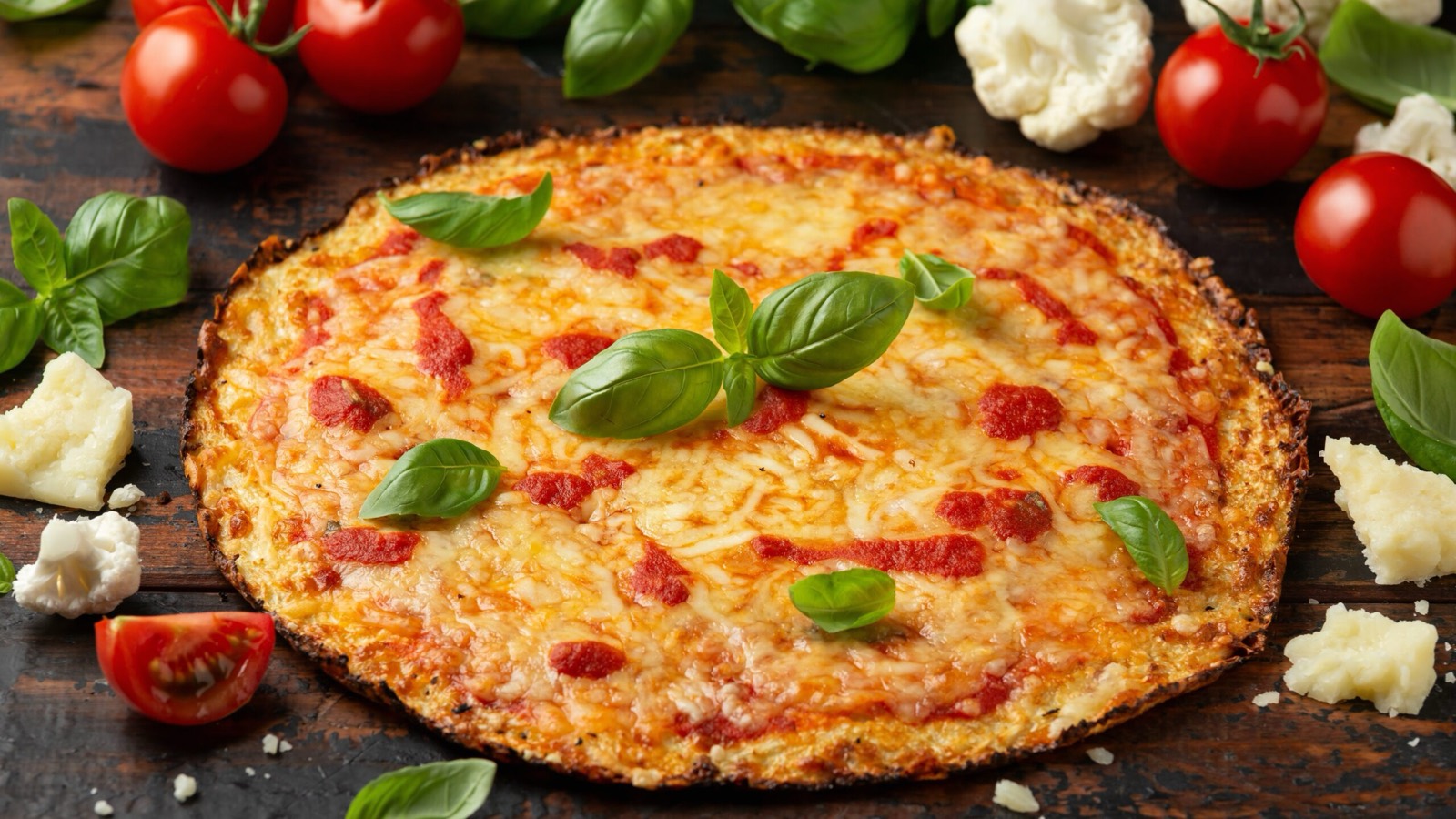
To many Americans, pizza seemed like a foreign “ethnic” dish rather than something you’d serve at home. That changed after World War II, when Italian American families moved to the suburbs and pizza spread across the country. Some soldiers who served in Italy also came home curious about it. By the 1950s and 1960s, pizza was becoming fast, fun food, and today it’s one of the most popular meals in America.
4. Yogurt
Yogurt was a tough sell when it first appeared in American grocery stores. Dannon began making yogurt in the Bronx in 1942, but plain, tangy yogurt didn’t appeal to many shoppers who were used to sweeter foods. Many people considered it a strange European health food.
The company’s solution was simple and clever. In the late 1940s, Dannon added a layer of fruit preserves to the bottom of the cup, creating “fruit on the bottom” yogurt. That small change made yogurt far more appealing, and later health trends in the 1970s and beyond helped turn it into a breakfast and snack staple. Today, the dairy aisle is packed with dozens of yogurt varieties.
5. Sushi
Eating raw fish was a hard idea for many Americans to accept. Many consider the nation’s first sushi restaurant to be Kawafuku, which opened in the Little Tokyo neighborhood of Los Angeles in 1966, and early sushi bars mostly served Japanese businessmen and their guests. Many American diners were squeamish about raw fish and wary of seaweed wrappers.
The California roll helped bridge the gap. Sushi chefs in Los Angeles swapped seasonal tuna for creamy avocado and added crab, and later versions tucked the seaweed inside with the rice on the outside, as History.com describes in its look at sushi in America. That friendlier version gave cautious eaters an easy first step, and many went on to try other kinds. Sushi is now sold in supermarkets, airports and even college cafeterias.
6. Kiwifruit
The fuzzy brown kiwi didn’t look like any fruit most Americans had seen, and it came with an unfamiliar name. It was originally known as the Chinese gooseberry because the plant came from China. In June 1959, a New Zealand produce exporter, Turners & Growers, began selling it as “kiwifruit,” after the country’s national bird, to make it easier to market overseas.
In the United States, produce businesswoman Frieda Caplan played a key role in popularizing kiwifruit in the 1960s and 1970s. She convinced supermarket produce managers to carry the odd-looking fruit and showed shoppers how to eat it. Today, kiwis are easy to find year-round, and many people slice them into fruit salads or eat them with a spoon.
7. Lobster
Lobster is a special-occasion treat today, but in colonial New England, it had a very different reputation. Lobsters were so plentiful along the coast that they were used as fishing bait and even fertilizer. They were often considered cheap food for servants and prisoners rather than something to celebrate, and many people looked down on eating them.
You may have heard that colonial servants had laws limiting how often they could be fed lobster, but historians have found no record that such laws ever existed. What is clear is that lobster’s image changed in the 1800s, as canning and railroads brought it inland and wealthy vacationers discovered it on the coast. Lobster prices began rising in the 1880s, and by World War II it was considered a delicacy. It’s a reminder that some foods Americans now consider the weirdest delicacies may simply be ahead of their time.
Why We Change Our Minds About Food
Most of these stories follow a similar path. A food seems strange or risky, a few curious people try it, and then a new name, a clever idea or a big historical event introduces it to everyone else. Familiarity does the rest, and within a generation or two, the once-suspicious food becomes a family favorite.
Many of today’s comfort foods went through the same journey, including some of the diner classics Americans still order again and again. It’s also a good reminder that the foods we find odd today could be tomorrow’s favorites, just as some American foods still puzzle visitors from other countries. Which food were you suspicious of at first, and which one did you end up loving?