6 Staples Real Cowboys Ate in the Old West
Hollywood often shows cowboys sitting around a campfire, enjoying a big meal after a long day of riding. But what did real cowboys actually eat while spending days or weeks moving cattle across the open range?
Their meals were not always fancy, but they were often more filling than people might imagine. Beans, bacon, biscuits, potatoes, beef, and plenty of coffee were regular parts of cowboy food culture. The chuckwagon, a traveling kitchen, helped cooks prepare hot meals even when the nearest town was miles away.
There was no single menu followed by every cowboy. Food depended on the region, available supplies, and the length of the cattle drive. Northern outfits generally served more beef, while some Southwestern crews relied more heavily on salt pork, beans, and sourdough bread.
Beans Were a Cowboy Favorite
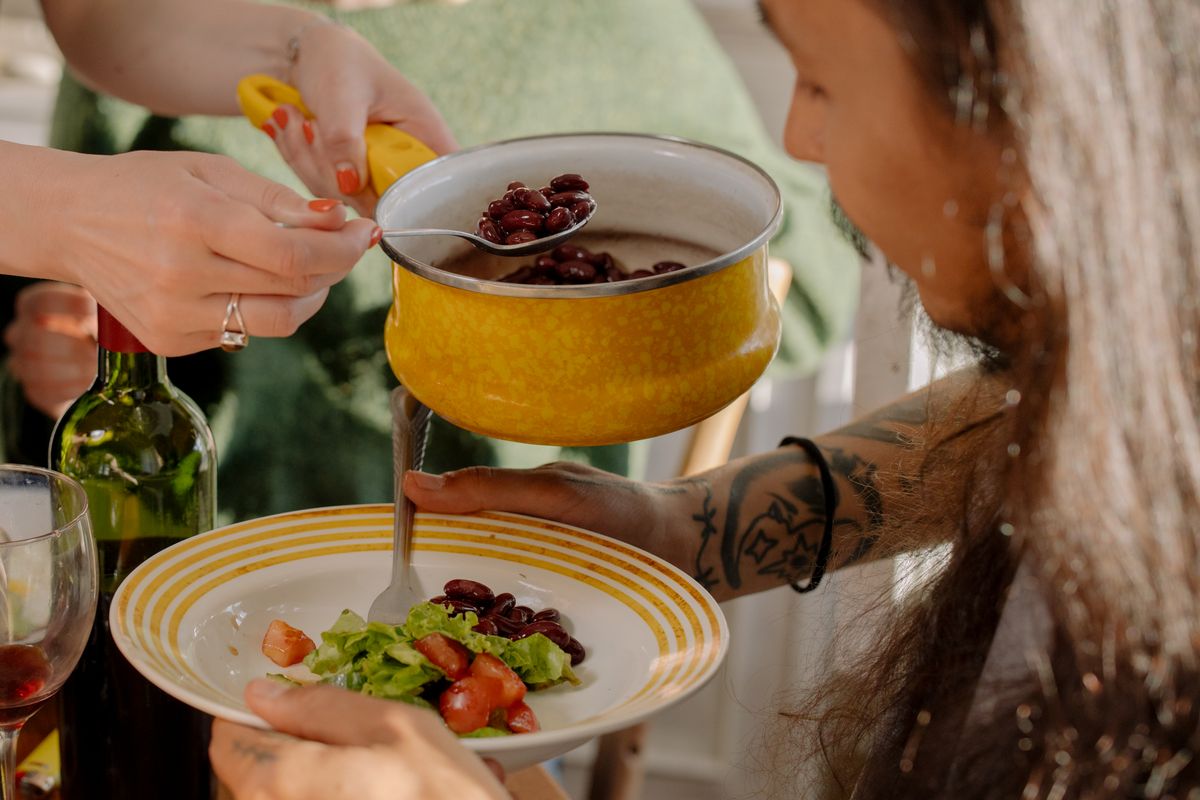
Beans earned their place as one of the most recognizable cowboy foods. They were affordable, easy to transport in dried form, and could provide a filling meal after a long day of work.
Grant-Kohrs Ranch National Historic Site includes beans in its representative trail lunches and dinners. They also appear repeatedly in cowboy songs collected by folklorist John Lomax.
Dried beans were particularly useful because they could be stored before cooking. Once prepared, they made a substantial accompaniment to meat and bread.
Historical evidence supports beans as a common cowboy staple, although it does not show that every crew preferred one particular variety.
Salt Pork and Bacon Provided a Reliable Meat Supply
Fresh meat was not always easy to keep available during long cattle drives. That is why preserved pork played an important role in cowboy meals.
Some Southwestern outfits relied on salt pork, beans, and sourdough bread. Bacon also appeared frequently in cowboy food traditions.
In fact, one cowboy song Lomax collected complains about eating bacon and beans almost every day. Apparently, even dependable meals could become boring after a while.
Salt pork and bacon were different products, but both helped solve the problem of carrying meat over long distances.
They offered a practical alternative to depending entirely on fresh supplies, making them valuable additions to the chuckwagon pantry.
Biscuits and Sourdough Bread Were Worth Protecting
Forget the idea that every cowboy spent his days chewing on extremely hard crackers. Freshly prepared bread and biscuits were important parts of the actual cowboy menu.
According to the National Park Service, cowboys served hot bread at breakfast, while bread or biscuits accompanied later meals.
Sourdough was particularly important. Cooks carefully protected their starter because it was needed to prepare fresh bread. The chuckwagon even had designated storage space for flour and other baking supplies.
When temperatures dropped, keeping the starter warm could become another cooking challenge. Some cooks reportedly kept it against their bodies to keep it warm.
Cowboy biscuits were not always sourdough, either. Baking-powder biscuits also appeared in traditional cowboy songs.
With a Dutch oven and hot coals, cooks could prepare bread even while traveling across the open range.
Fresh Beef Was More Common Than You Might Think
It is easy to imagine cowboys surviving almost entirely on dried meat, but historical menus tell a different story.
The National Park Service’s representative trail menu includes roast beef at noon and dinner. It also explains that northern cowboys were more likely to receive beef as part of their regular meals.
Fresh beef was a substantial meal ingredient, often served alongside potatoes, beans, bread, and gravy.
Of course, not every outfit had the same access to fresh meat. Regional differences mattered, and some Southwestern crews depended more heavily on preserved pork.
Still, the idea that real cowboys rarely ate fresh beef is misleading. For some crews, it was a regular part of the menu.
Coffee Was Served Throughout the Day
Coffee was not just something cowboys enjoyed in the morning. It was an important part of their daily routine.
The National Park Service includes coffee at breakfast, lunch, and dinner in its representative cowboy menu.
The chuckwagon also carried a large coffee pot that held three to five gallons. That was enough to supply a whole crew.
Cowboys preferred strong, black coffee, which became a familiar part of camp life.
After spending hours working cattle, a hot cup of coffee offered something familiar and comforting. It was one of the most consistent items in the cowboy food supply.
Potatoes Made Meals More Filling
A cowboy dinner could look surprisingly familiar to a modern American family.
The National Park Service’s representative trail menu includes boiled potatoes served alongside roast beef, beans, brown gravy, and bread.
They carried potatoes as provisions and prepared them as needed. They did not require complicated cooking to become a filling side dish.
Their presence also challenges the idea that cowboy meals consisted entirely of dried meat and hard bread.
Of course, potatoes were not immune to spoilage. They required more careful storage than dry pantry ingredients, but they remained a useful addition when supplies allowed.
The Chuckwagon Made It All Possible
Feeding a group of working cowboys required more than a collection of food supplies. It required a traveling kitchen and someone who knew how to use it.
In 1866, Texas cattleman Charles Goodnight converted a surplus Army wagon into a mobile kitchen. The chuckwagon carried food, cooking equipment, utensils, and other essential supplies.
Cooks used Dutch ovens over hot coals to prepare meals. They also managed flour, sourdough starter, meat, vegetables, and other provisions.
The result was a surprisingly organized food system that allowed cowboys to enjoy hot meals while working far from towns and established kitchens.
Real cowboy food was not always glamorous, but it was practical, filling, and shaped by the demands of life on the trail. And many of those familiar combinations, from beans and biscuits to beef and potatoes, remain popular American comfort foods today.