8 Holiday Food Traditions That Cause Family Drama Every Year
The holidays are supposed to bring families together around a table full of good food. For many, they do. But anyone who has hosted a big Thanksgiving or Christmas dinner knows that food can also be the spark for some of the biggest family arguments of the year. The same dishes that bring comfort can start fights that last long after the last slice of pie is gone.
That’s because holiday food carries a lot of meaning. It’s tied to memories, family identity and the people who first made it. Changing a recipe can feel like changing the family itself, and every family has its own unspoken rules about how things should be done. Here are eight holiday food traditions that cause family drama year after year, and some ideas for keeping the peace.
1. Who Hosts the Big Dinner
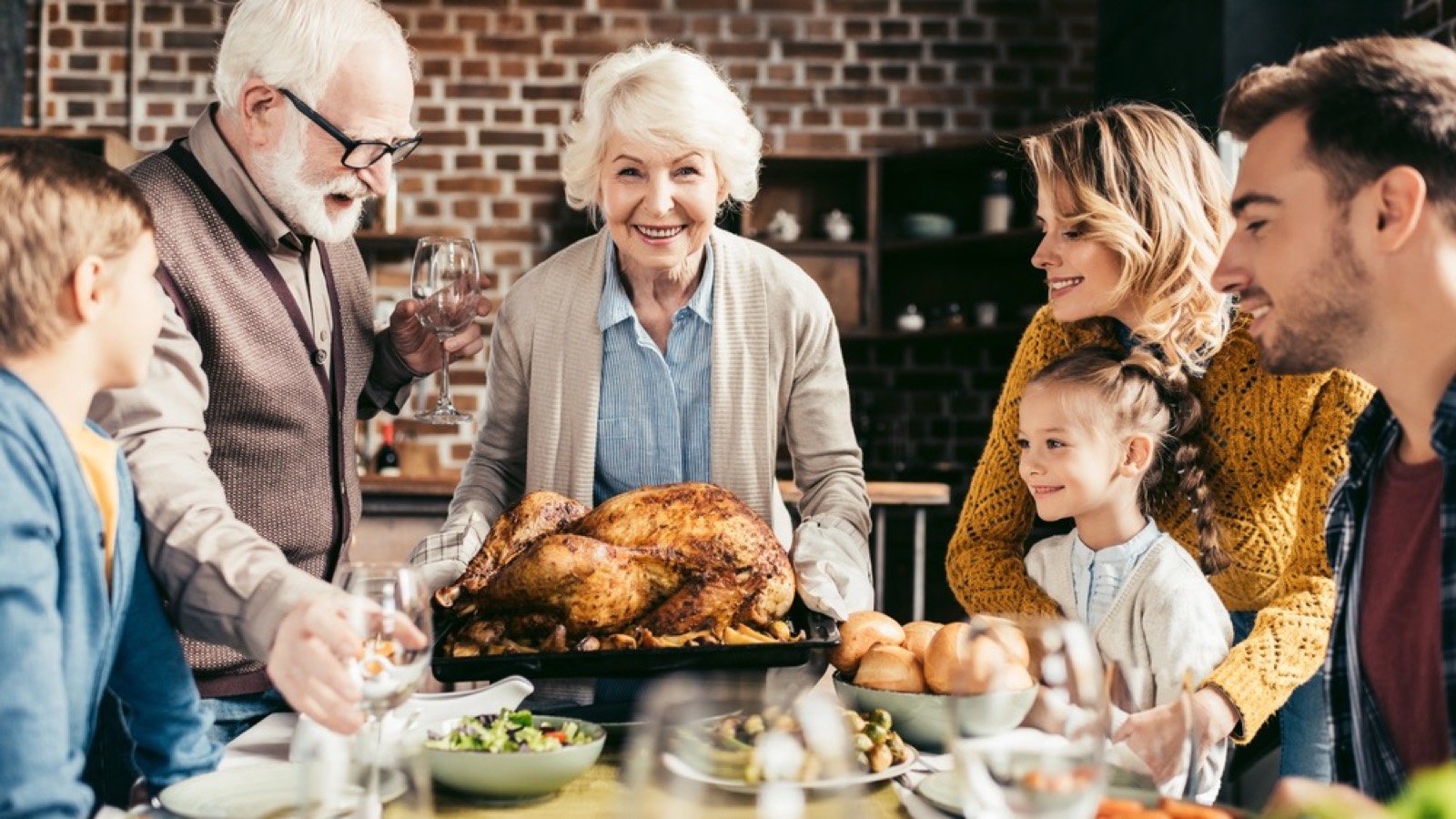
Deciding who hosts the holiday meal can be the first battle. Some families rotate the job, while others expect the same person, often an older mother or grandmother, to host every year. Tension builds when someone wants to take over, or when the longtime host wants a break but feels guilty about saying so.
The host often gets to decide the menu and the timing, which gives them a lot of control. When a new generation takes over, older relatives may struggle to let go. Talking about hosting plans well in advance can prevent hurt feelings.
2. Changing the Family Recipe
Every family has a dish that must be made a certain way. It might be Grandma’s stuffing, Mom’s sweet potato casserole or Aunt Linda’s green bean dish. When someone tries to update the recipe, add a new ingredient or make it healthier, relatives often react as if a sacred rule has been broken.
Food is tied to memories of people who are no longer with us, so changing a recipe can feel disrespectful. One solution is to make the classic version alongside a new one, so everyone gets what they want.
3. Stuffing Inside or Outside the Bird
Families can argue for hours about whether stuffing should be cooked inside the turkey or in a separate dish. Traditionalists say it tastes better inside, soaking up the juices. Others worry about food safety.
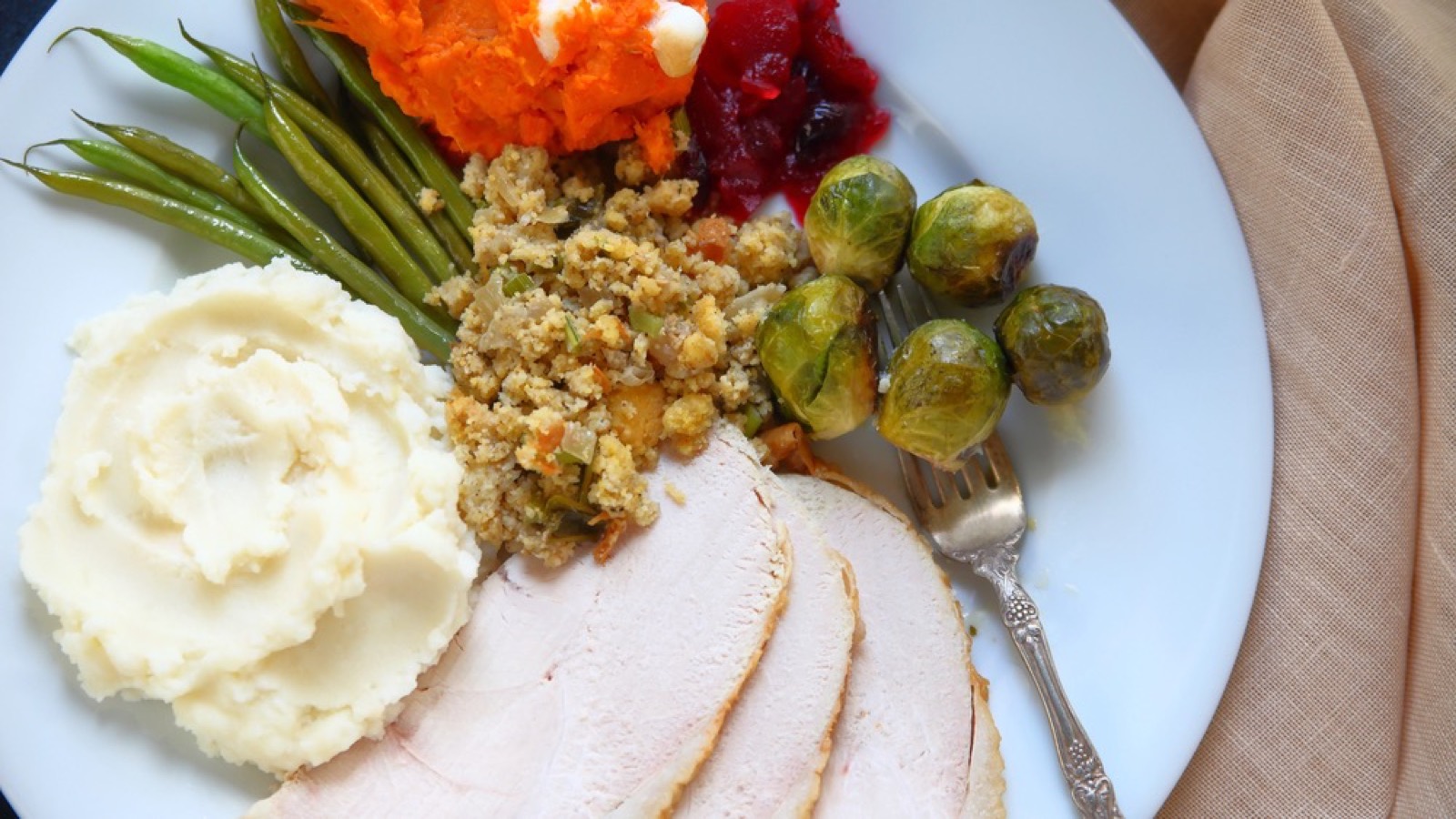
The USDA recommends cooking stuffing in a separate dish for best safety, but if it’s cooked inside the bird, the center of the stuffing must reach 165°F, according to its guide to roasting a turkey. The debate still rages in many families every year.
4. Store-Bought Versus Homemade
Bringing a store-bought pie or rolls to a holiday dinner can cause a surprising amount of tension. Some relatives see it as a sign that you didn’t care enough to make something yourself. Others think it’s perfectly fine, especially for busy families.
The divide often runs between generations. Older relatives who spent days cooking for the holidays may look down on store-bought dishes, while younger family members see it as a smart way to save time and stress.
5. Dietary Changes
As more people follow special diets, whether vegetarian, vegan, gluten-free, keto or low-sugar, holiday meals have gotten more complicated. Hosts may feel frustrated by requests to change the menu, while guests may feel judged or left out if there’s nothing they can eat.
Comments like “Just have a little, it won’t kill you” can cause hurt feelings. Many families now ask guests about dietary needs ahead of time or invite them to bring a dish they can enjoy.
6. The Kids’ Table
The kids’ table is a holiday tradition in many families, but it can cause drama when grown children are still seated there. Some young adults feel insulted when they’re placed at the kids’ table, especially if they’re married or have children of their own. Deciding who sits where can bring up old family dynamics and questions about who’s considered a “grown-up.” Some families have done away with the kids’ table altogether, while others rotate seating.
7. Dividing the Leftovers
Leftovers can be a surprisingly emotional topic. Who gets to take home the turkey carcass for soup? Who gets the last slice of pie? Some hosts want to keep leftovers, while others expect guests to take them home.
Hosts also need to put leftovers away promptly. Food safety experts advise refrigerating them within two hours of serving. Setting out containers and letting guests know the plan can prevent arguments.
8. The Dish Nobody Eats
Many families have a dish that shows up every year, even though hardly anyone eats it. It might be a gelatin salad, a fruitcake or an oyster dressing. The person who makes it insists it’s a tradition, while everyone else quietly avoids it.
Suggesting that the dish be retired can cause real hurt. Many families simply keep making it out of love and respect for the person who started the tradition.
Why Holiday Food Matters So Much
Holiday food is about more than eating. It connects people to their past, their culture and the people who came before them. Recipes passed down through generations carry memories of grandparents and parents, and changing them can feel like losing a piece of that history.
That’s why so many families hold tightly to the same holiday traditions every year. For some, routine brings comfort and a sense of stability, especially as families change.
When Traditions Change
Families change over time, and so do their traditions. Marriages, divorces, births and deaths all reshape who sits at the holiday table. A new daughter-in-law may bring her own family’s favorite dish, and a grandchild may introduce a recipe they learned on their own. Some of these additions become new traditions that last for decades.
Many families find that blending old and new works best. Keeping a few beloved classics while making room for new dishes can honor the past without shutting out the people who are joining the family. It can also ease tension, since everyone feels their traditions are respected.
Keeping the Peace at the Holiday Table
Experts suggest talking about plans and expectations ahead of time, being flexible and focusing on the reason for the gathering. Letting go of small disagreements can make the day more enjoyable for everyone. When rifts do happen, research from Cornell suggests steps for mending family rifts that can help relatives move forward. Which holiday food tradition causes the most drama in your family, and how do you handle it?