Tuna Salad Is So Much Better When You Add This Crunchy Ingredient
Tuna salad is one of those dishes almost everyone grew up eating. It showed up in lunch boxes, at church potlucks and on paper plates at the kitchen table on busy afternoons. It’s cheap, quick and filling, and it only takes a can opener and a bowl to make.
But a lot of tuna salad turns out soft, mushy and a little boring. When every bite has the same texture, even a well-seasoned batch can taste flat. Food editors and recipe developers who have tested tuna salad over and over keep coming back to one simple fix, and it’s probably sitting in your crisper drawer right now.
The Crunchy Secret Is Celery
The ingredient is plain, humble celery. Bon Appétit’s classic tuna salad calls for a finely chopped celery stalk along with a little red onion, and the magazine says the pair is there for crunch. The recipe rounds things out with mayonnaise, capers, lemon juice, Dijon mustard and fresh herbs.
Delish takes the same approach in its deli-style recipe. The recipe developer explains that celery was included for crunch and praises the pop of freshness that thinly sliced celery brings. Even people who don’t usually like celery are encouraged to give it a try in this setting.
Why Celery Works So Well
Canned tuna is soft and flaky, and mayonnaise makes it even creamier. Without something crisp to break it up, the whole mixture can feel like baby food. Celery adds a clean snap in every bite, which makes the salad more interesting to eat.
Celery also brings a mild, slightly grassy flavor that keeps tuna salad from tasting too heavy. It’s watery and fresh, so it lightens up a rich mayo dressing without adding much in the way of calories. And because it holds its crunch for a while after mixing, it works well in tuna salad you make ahead for lunches.
How to Cut Celery for Tuna Salad
The size of the pieces matters more than most people think. Big chunks of celery can overpower the tuna and fall out of a sandwich. Bon Appétit calls for finely chopped celery, while Delish slices it thinly, and both approaches spread the crunch evenly through the salad.
Start with crisp, firm stalks rather than limp ones from the back of the refrigerator. Rinse them, trim the ends and cut each stalk lengthwise into a few thin strips before chopping crosswise into small pieces. If the outer stalks are especially stringy, a quick swipe with a vegetable peeler removes the tough strings.
Don’t throw away the pale, tender leaves from the center of the bunch. They have a gentle celery flavor and can be chopped and stirred in like fresh herbs. Patting the chopped celery dry with a paper towel also helps keep the salad from turning watery.
A Simple Way to Make Better Tuna Salad
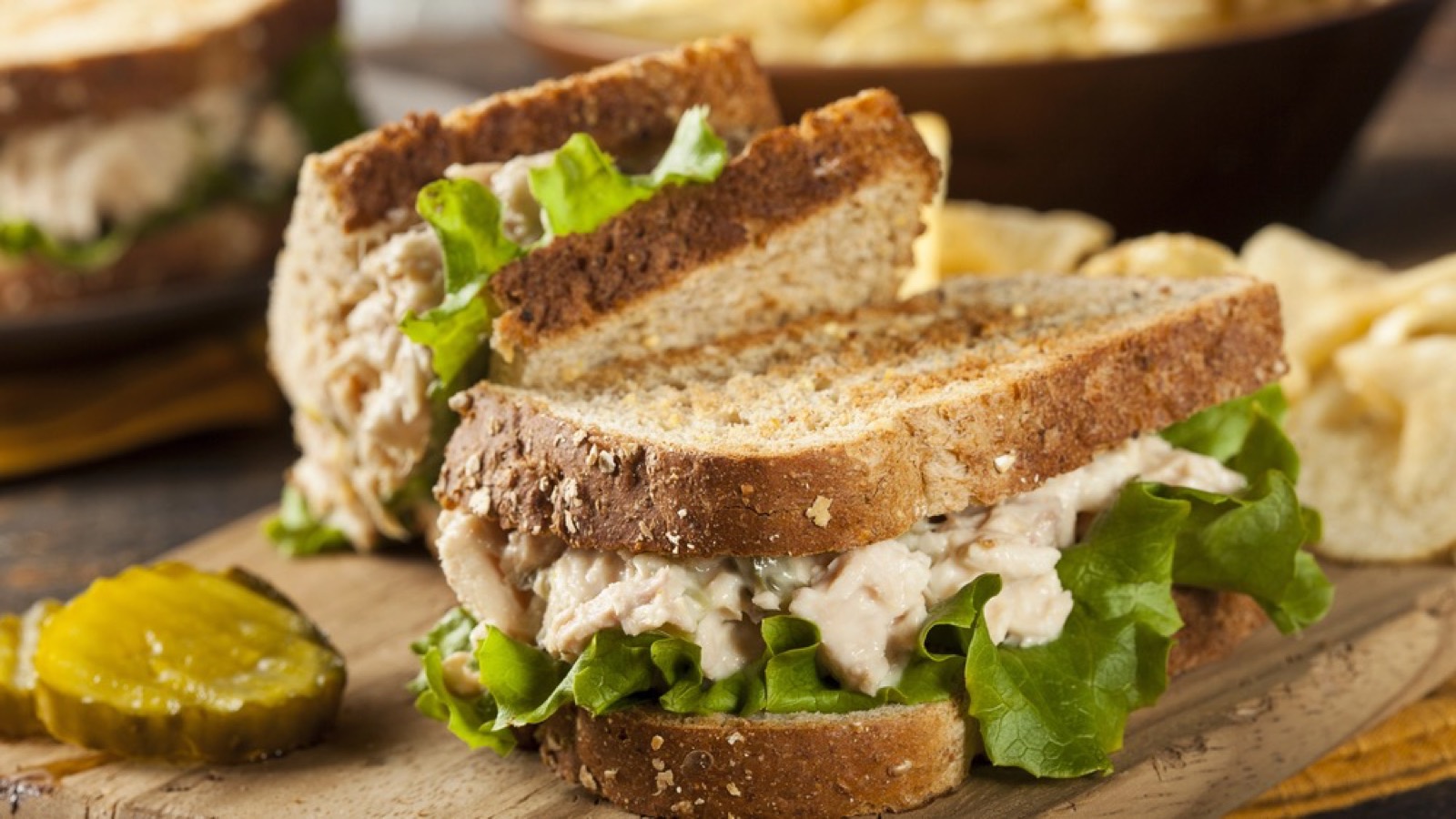
For a basic batch, drain a 5-ounce can of tuna well and flake it into a bowl with a fork. Add one finely chopped celery stalk and a couple of tablespoons of minced red onion. Stir in mayonnaise a spoonful at a time until the salad is creamy but not soupy.
Season with a squeeze of fresh lemon juice, a little Dijon mustard, salt and black pepper. Bon Appétit adds chopped capers and parsley or cilantro, and it suggests pickle relish as a swap for the capers. Delish leans on dill pickles and fresh dill for tang.
Taste before serving and adjust as needed. A little more lemon brightens the salad, while a pinch of salt brings out the tuna’s flavor. Serve it on toasted bread, in lettuce cups or with crackers.
Which Tuna Should You Buy?
Recipe developers don’t all agree on the best can. Bon Appétit prefers oil-packed tuna for its richer flavor, while Delish tested several brands and preferred unsalted chunk white tuna packed in water. Both work well, so it really comes down to your taste and budget.
If you eat tuna salad often, it’s worth knowing that the FDA’s advice on fish lists canned light tuna, including skipjack, among its “Best Choices” for lower mercury. Albacore, also sold as white tuna, falls into the “Good Choices” group. The guidance is especially important for pregnant women, breastfeeding mothers and young children.
Fish is also a nutritious choice for most adults. Harvard’s Nutrition Source notes that fish provides healthful omega-3 fats and is high in protein and low in saturated fat. A tuna salad sandwich can be a smart, budget-friendly way to work more seafood into your week.
Other Crunchy Add-Ins Worth Trying
Celery is the classic choice, but it’s not the only way to add texture. Red onion brings both crunch and a sharp bite, and Delish credits it with delivering crunch and punch. Chopped dill pickles or pickle relish add a tangy crispness that many people remember from deli sandwiches.
Some cooks like diced crisp apple for a hint of sweetness, especially with a little curry powder or mustard in the dressing. Chopped water chestnuts stay crunchy for days, which makes them handy for meal prep. Toasted walnuts, pecans or sunflower seeds add a nutty, toasty crunch.
You can also play with the creamy part of the recipe. Bon Appétit says Greek yogurt can stand in for the mayonnaise. If you’re curious why some cooks skip mayo entirely, there’s a whole mayo debate among food lovers.
Mistakes That Ruin Tuna Salad
The most common mistake is not draining the tuna well enough. Extra liquid makes the salad soggy and dilutes the dressing. Press the lid firmly into the can or use a fine strainer to squeeze out as much liquid as possible.
Another mistake is adding all the mayonnaise at once. It’s easy to add more, but impossible to take it back out. Start small and stir in more until it’s just creamy enough to hold together.
Finally, don’t forget the acid. A splash of lemon juice or pickle brine wakes up the flavors and cuts through the richness. Without it, tuna salad can taste dull no matter how much celery you add.
How Long Tuna Salad Keeps
Because it contains mayonnaise and fish, tuna salad needs to stay cold. Keep it in a covered container in the refrigerator and eat it within three to five days. Don’t leave it sitting out at room temperature for more than two hours, or one hour on a very hot day.
If you plan to pack tuna salad for lunch, put it in an insulated bag with an ice pack. It also helps to keep the salad separate from the bread until you’re ready to eat so the sandwich doesn’t get soggy. Keeping a few refrigerator staples on hand, like celery, lemons and pickles, makes it easy to whip up a batch anytime.
A Small Change With a Big Payoff
Tuna salad has always been a go-to for families watching their grocery budget. A can of tuna, a stalk of celery and a few pantry basics can feed a hungry family for very little money, which makes it a natural fit for anyone interested in frugal living. Adding that bit of crunch makes it taste like something from a good deli counter.
Next time you open a can of tuna, chop up a stalk of celery and stir it in. You may be surprised at how much better a simple sandwich can be. Do you have a favorite crunchy add-in that makes your tuna salad special?