9 Grocery Store Foods That Taste Different Than They Did 30 Years Ago
Have you ever bitten into an old favorite and thought, “This isn’t how I remember it”? Most of us blame our memories, or assume our taste buds have simply changed with age. Sometimes that’s true, but in plenty of cases the food really did change.
Over the past few decades, food companies have quietly swapped ingredients, adjusted recipes and tweaked products to cut costs, stretch shelf life or keep up with new trends. Farmers and plant breeders have also changed the fruits and vegetables we buy, often choosing looks and durability over flavor. The result is a grocery store full of items that look familiar but don’t quite taste the way they did when you were younger.
Some of these changes made headlines, while others happened so slowly that hardly anyone noticed. Here are nine grocery store foods that taste different than they did 30 or more years ago, and the real reasons behind each change.
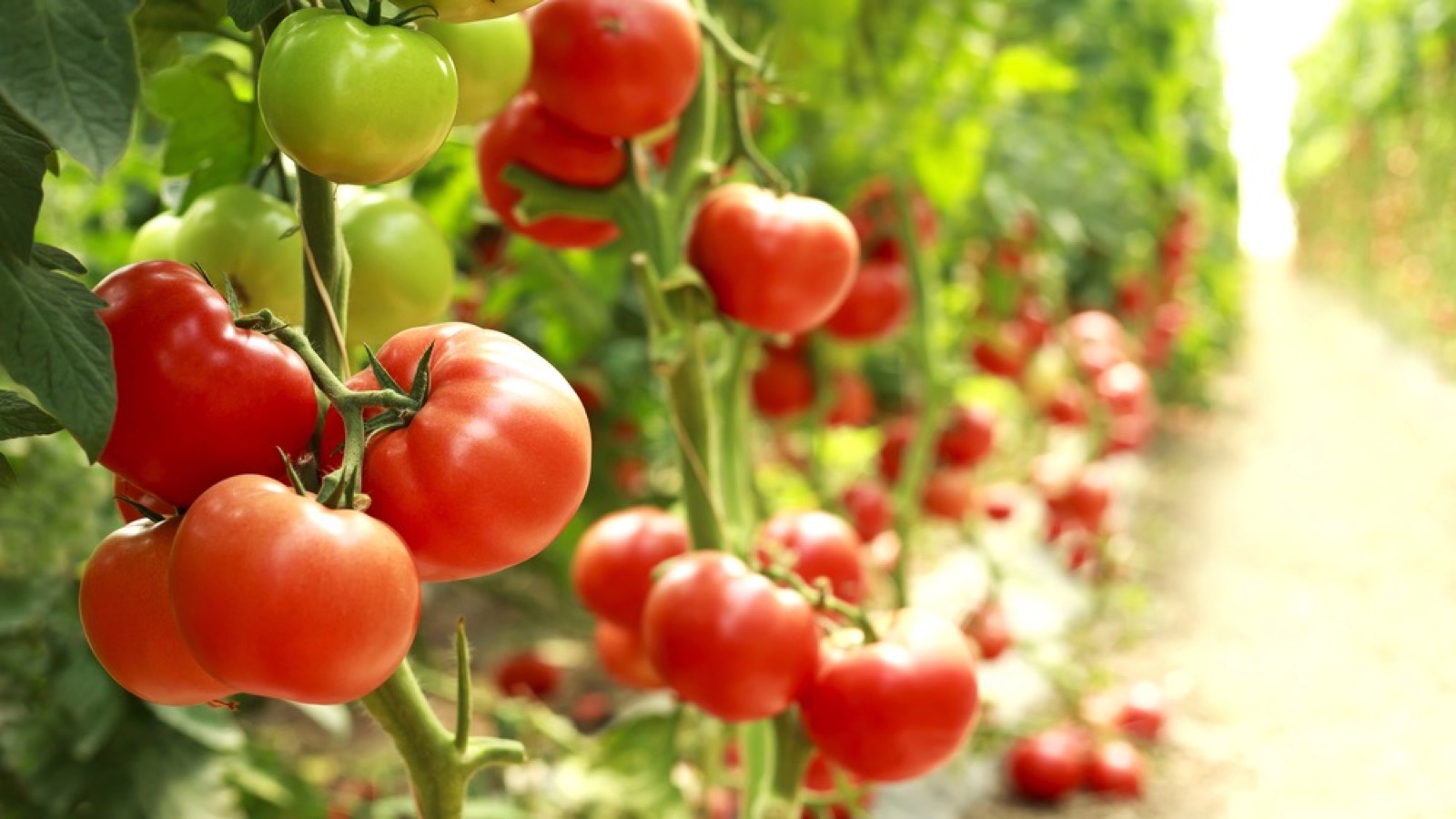
1. Supermarket Tomatoes
If you grew up eating tomatoes from a backyard garden, store-bought ones can taste like a letdown. There’s real science behind that feeling. In 2012, researchers from UC Davis, Cornell and Spain published a study in the journal Science on a trait breeders had favored for decades, which makes tomatoes ripen to an even, bright red.
As National Geographic reported, that uniform-ripening trait also lowers the sugars that give tomatoes their flavor. The researchers noted an even bigger factor is that many tomatoes are picked while still green so they survive shipping. Put together, it explains why so many supermarket tomatoes look perfect but taste flat.
2. Red Delicious Apples
For much of the 20th century, the Red Delicious was the king of the apple bin. The original variety, found as a chance seedling in Iowa in the 1870s, was praised for its sweet flavor. Over the decades, though, growers kept selecting for a deeper red color and thicker skin that held up better in shipping.
Many experts and longtime apple lovers say flavor and crunch suffered along the way. News stories over the years have described how the variety slowly lost its appeal as growers chased looks over taste. Today shoppers often reach for Gala or Honeycrisp instead, and the Red Delicious has lost its old crown.
3. Strawberries
Big, glossy strawberries are available year-round now, which would have amazed shoppers in the 1960s. The catch is that breeders spent decades focusing on size, color, firmness and shelf life so the berries could travel long distances. Flavor often came last on that list.
Plant scientists have pointed out that wild strawberries contain aroma compounds missing from many commercial berries. Researchers in Florida and California are now working to bring flavor back while keeping the sturdiness growers need. Until then, many people find that a small, homegrown or farmers market berry tastes a lot like the ones they remember from childhood.
4. Coca-Cola
People who remember drinking Coke from glass bottles in the 1970s often swear it tasted different. One big reason is the sweetener. Starting around 1980, Coca-Cola bottlers in the U.S. began replacing cane sugar with high fructose corn syrup, and by the mid-1980s the switch was complete.
History.com notes that the move to corn syrup was made to cut production costs. That’s why some fans go out of their way to buy Mexican Coke in glass bottles, which is still made with cane sugar. Many say it tastes closer to the Coke of their youth.
5. Oreos
The Oreo has been around since 1912, but the cookie you buy today isn’t made quite the same way as the one boomers dunked in milk. For decades, the creme filling was made with lard. In the 1990s, Nabisco removed the lard and switched to vegetable shortening.
According to Cornell University, that change helped Oreos become certified kosher in December 1997 after a conversion that took more than three years. Some longtime fans say the filling has never tasted quite the same since. Of course, others insist they can’t tell the difference at all.
6. Twinkies
Twinkies were famously said to last forever, but their recipe has changed over the years. Before Hostess went out of business in 2012, the company tweaked the recipe so Twinkies could stay on shelves for 45 days instead of 26. When the snack cakes returned in July 2013 under new owners, shoppers noticed another difference.
As MPR News reported, the new Twinkies were smaller than many people remembered, dropping from about 42.5 grams to 38.5 grams per cake. Smaller packages are one of those grocery store habits that drive longtime shoppers crazy, and Hostess never shared the exact recipe changes either. Still, plenty of fans say the texture and cream feel a little different from the Twinkies they unwrapped as kids.
7. Butterfinger
Butterfinger fans got a big surprise in early 2019. After Ferrero bought the brand from Nestlé, it rolled out a “Better Butterfinger” recipe with jumbo runner peanuts roasted in-house, more milk and cocoa in the coating, and no artificial colors or hydrogenated oils.
Ferrero said sales went up, but many longtime fans weren’t happy with the change. Tasting Table points out that complaints about the new taste and texture spread quickly on social media. If your Butterfinger tastes different than it did in the ’80s, you’re not imagining it.
8. Life Savers Five Flavor
The classic five-flavor roll of Life Savers was cherry, orange, lemon, lime and pineapple for nearly 70 years. Kids would argue over who got the red one, and lots of grandmas kept a roll in their purse. Then in 2003, the lineup changed in the U.S.
Lemon and lime were dropped and replaced with raspberry and watermelon, and orange was briefly swapped for blackberry before coming back. Today’s roll is cherry, pineapple, raspberry, watermelon and orange. If you remember sucking on a lemon Life Saver during a long church service, that exact roll is now a thing of the past, much like the ’70s memories many of us still talk about.
9. Snapple
Snapple was a hit in the late ’80s and ’90s, and plenty of people remember its iced teas and juice drinks in thick glass bottles. In 2009, the company made what one executive called its biggest changeover in decades, switching its premium line from high fructose corn syrup to sugar along with new bottles and labels.
FoodNavigator reported that Snapple said the change was about taste, claiming sugar brought out the natural flavor more. Some fans loved it, while others felt their favorite drink no longer tasted like the one they grew up with. Either way, today’s Snapple isn’t the same recipe people drank in the ’90s.
It’s Not Just Your Memory
It turns out that “they don’t make it like they used to” is often literally true. Recipes change, ingredients get swapped, and fruits are bred to travel better, so the foods we loved years ago really can taste different today. It’s one of those everyday changes that most shoppers only notice years later, usually with the first bite.
Which grocery store food do you think has changed the most since you were young? Share your pick in the comments, and tell us whether you think the old version was really better.