8 Grandma Kitchen Habits That Younger Women Are Bringing Back
For years, many of Grandma’s kitchen habits were treated as old-fashioned. Younger women grew up with microwaves, drive-thrus, and boxed meals, and the idea of baking bread or saving bacon grease seemed like something from another century. Convenience was the goal, and Grandma’s slow methods looked like too much work.
That attitude is changing. Rising grocery prices, concerns about food additives, and a desire for a calmer, more meaningful home life have led many younger women to look back at how their grandmothers cooked. Social media is now full of women in their 20s and 30s proudly showing off sourdough loaves, jars of homemade jam, and pantries stocked from scratch.
Some of these habits are practical, while others are simply comforting. Here are eight Grandma kitchen habits that younger women are bringing back, and why they make so much sense today.
1. Baking Bread From Scratch
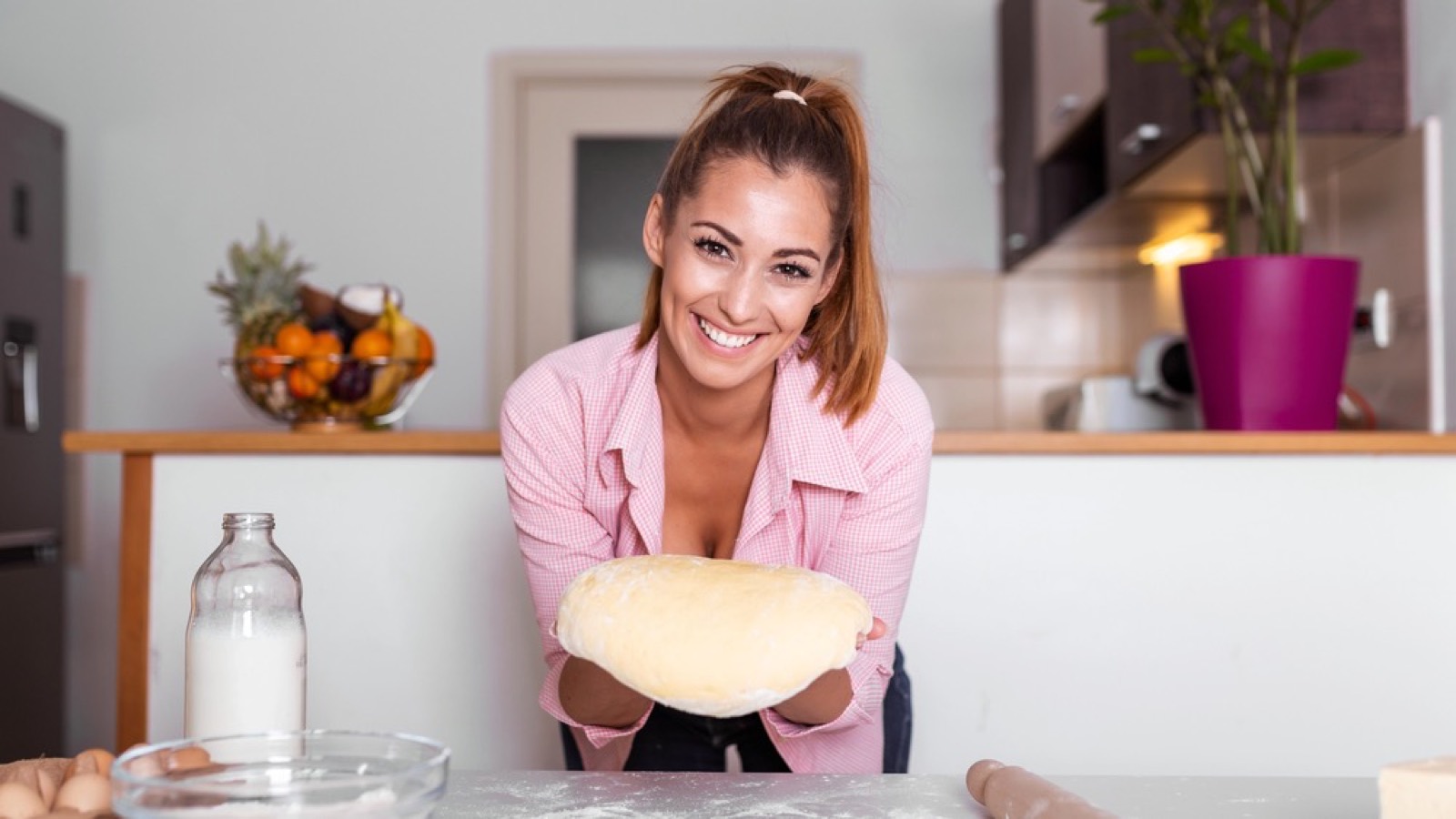
Grandma baked bread every week, filling the house with a smell that no candle can match. For decades, most families bought sliced bread from the store instead. Now, many younger women are learning to bake their own.
Sourdough in particular became a craze during the pandemic, and many people stuck with it. They enjoy the process of feeding a starter, kneading dough, and pulling a fresh loaf from the oven. It is also a way to avoid preservatives and save money.
Baking bread takes time, but it is a relaxing and rewarding hobby. Many women say it connects them to their grandmothers. It is a skill that is being passed down once again.
2. Cooking From Scratch Instead of Using Boxes
Grandma rarely used boxed mixes or prepared meals. She cooked from scratch with flour, butter, eggs, and vegetables. Younger women are increasingly doing the same.
Cooking from scratch gives more control over ingredients. It can also be cheaper than buying prepared foods. Many women enjoy the creativity and satisfaction of making meals by hand.
This trend is part of a broader interest in simple, wholesome living. Many women are learning recipes from older relatives or online videos. They are rediscovering the joy of home cooking.
3. Canning and Preserving
Canning was once a summer ritual in many homes. Grandma preserved tomatoes, pickles, jams, and vegetables for the winter. Younger women are now learning to can again.
Home canning helps reduce food waste and save money. It also allows people to enjoy garden produce year-round. Many women find it a fun and satisfying project.
Safety is important when canning, and the National Center for Home Food Preservation offers tested guidelines. Following those guidelines helps prevent foodborne illness. It is wise to learn proper techniques before starting.
4. Planning Meals for the Week
Grandma planned her meals for the week, often based on what was on sale or in season. She wrote a menu and shopping list before going to the store. This habit saved time and money.
Many younger women are now meal planning too. They use apps, notebooks, or whiteboards to plan their meals. It helps them avoid last-minute takeout and reduces stress.
Meal planning also helps reduce food waste. Leftovers can be used in new dishes. It is a practical habit that Grandma knew well.
5. Saving Bacon Grease and Using Leftovers
Grandma saved bacon grease in a can by the stove and used it to cook eggs, vegetables, and cornbread. She also turned leftovers into new meals, such as soups and casseroles. Nothing went to waste.
Younger women are embracing these habits as part of a frugal, sustainable lifestyle. They are learning to use every part of their food. It saves money and reduces waste.
Bacon grease should be strained and stored in the refrigerator for safety. It should never be poured down the drain, where it can clog pipes. Grandma knew this well.
6. Growing a Kitchen Garden
Grandma often had a vegetable garden in the backyard. She grew tomatoes, beans, peppers, and herbs. The garden supplied fresh produce for the family.
Many younger women are now growing their own gardens, even in small spaces. Container gardens, raised beds, and windowsill herbs are popular. Gardening provides fresh food and a sense of accomplishment.
Gardening also has mental health benefits. Many people find it relaxing and rewarding. It connects them to nature and to the habits of earlier generations.
7. Using Cast-Iron Skillets
Grandma’s cast-iron skillet was one of her most treasured kitchen tools. She used it for frying chicken, baking cornbread, and searing meat. It lasted for generations.
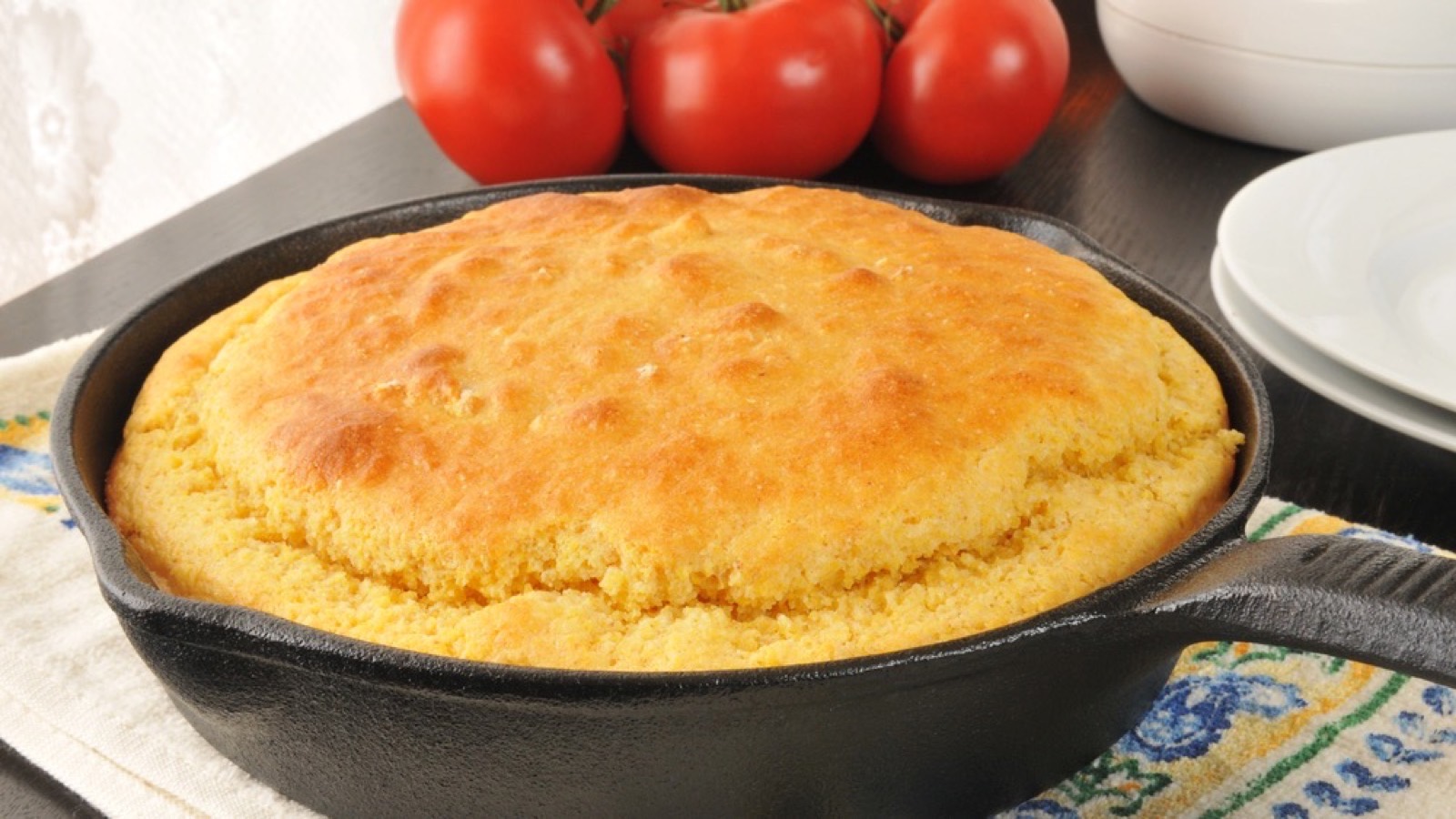
Many younger women are now buying cast-iron skillets or inheriting them from family members. They appreciate the durability and versatility. Cast iron can go from the stovetop to the oven.
Caring for cast iron requires some knowledge, such as seasoning and avoiding soaking. Companies such as Lodge offer care instructions. With proper care, a skillet can last a lifetime.
8. Writing Down Family Recipes
Grandma kept her recipes on index cards, in notebooks, or simply in her head. Many younger women are now making a point of collecting those recipes before they are lost. They sit with mothers, aunts, and grandmothers and ask exactly how a favorite dish was made.
Some families scan old recipe cards and share them in group chats, while others compile them into homemade cookbooks. The recipes become a record of family history. It is one of the most meaningful habits a younger cook can adopt.
Why These Habits Are Coming Back
Many younger women are drawn to these habits because they want a simpler, more meaningful life. They are tired of fast food and processed meals. They want to know what is in their food.
Rising food prices are also a factor. Cooking from scratch, canning, and gardening can save money. These habits help families stretch their budgets.
There is also a growing interest in slowing down. Many younger women say that time in the kitchen helps them unplug from screens and feel more grounded. Kneading dough or stirring a pot of soup offers a quiet break from a busy, digital world.
A Connection to the Past
For many women, these habits are a way to honor their grandmothers. They remember watching them cook and want to carry on their traditions. It is a way to keep their memories alive.
These habits are among the boomer habits and older traditions making a comeback. Which of Grandma’s kitchen habits do you still use, and which would you like to learn?