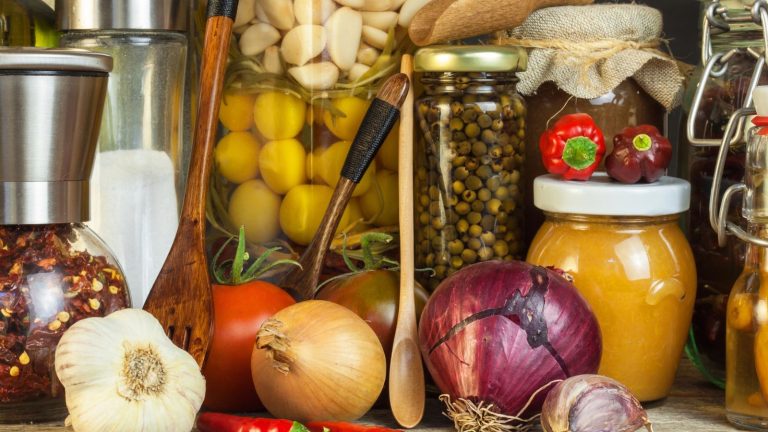
10 Foods Every Big Family Bought in Bulk
If you grew up with four, five or six kids under one roof, you know the grocery run was never a quick trip. It was a full-scale mission, with two carts, a long list on the back of an envelope and a mom who knew exactly which brands went on sale that week. Nobody bought “a” loaf of bread. You bought the whole stack and hoped it lasted until Thursday.
Big families had their own way of shopping, and it showed up in every corner of the kitchen. The pantry looked more like a small store, the freezer was packed to the lid and there was always a sack of something leaning against the wall by the back door. Ask anyone who grew up that way and they can name the foods that came home in giant sizes without even thinking about it.
Some of these will bring back memories of hauling heavy bags from the station wagon. Others might explain why you still can’t bring yourself to buy the small box of anything. Here are 10 foods every big family bought in bulk, and the stories that came with them.
1. Flour by the Big Sack
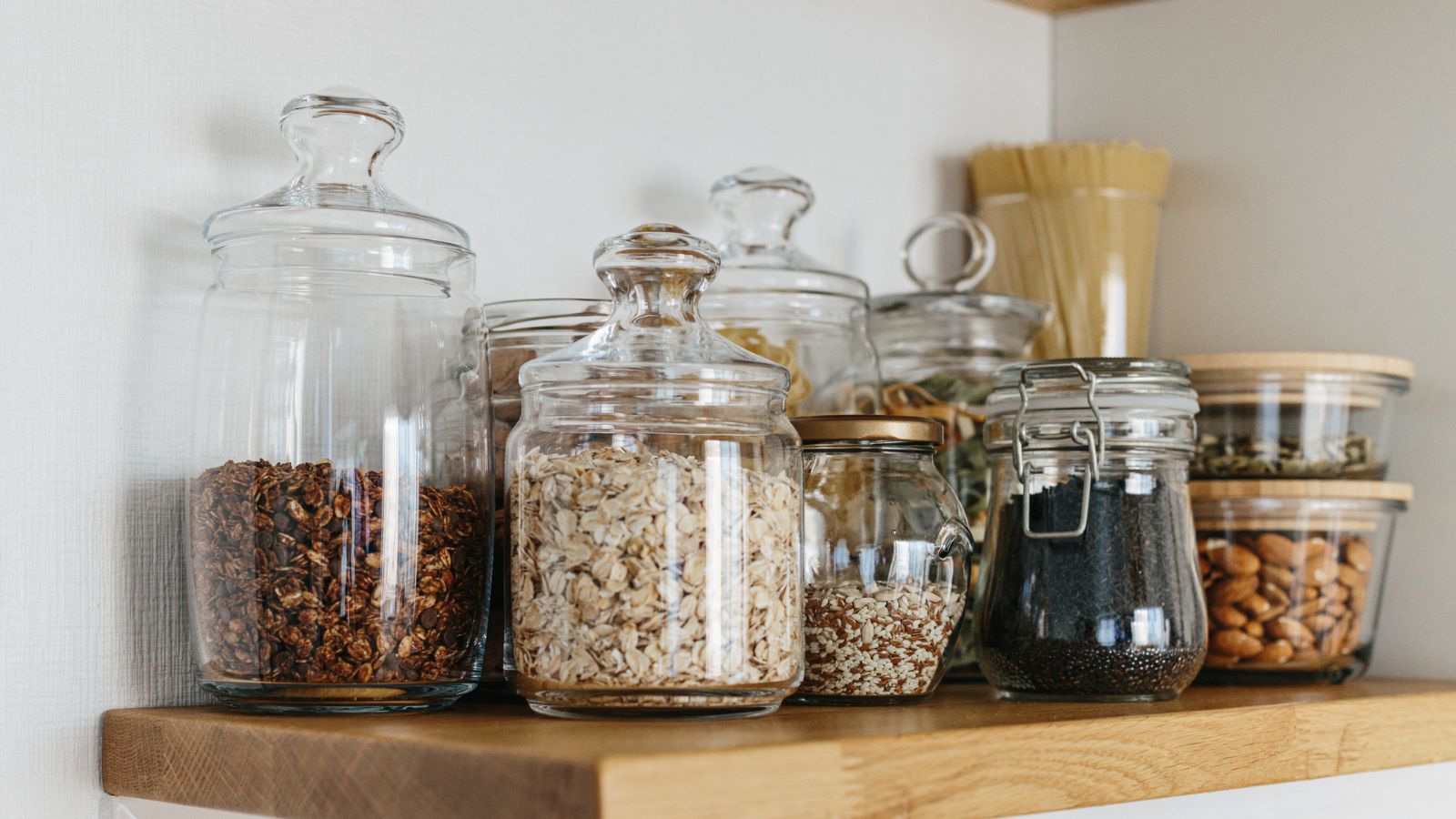
In a house that baked bread, biscuits, pancakes and Sunday cakes, a five-pound bag of flour didn’t stand a chance. Big families often bought the 25-pound sack and kept it in a bin or a tall canister that was refilled again and again. Many grandmothers could tell how much was left just by lifting the bin.
Buying flour in bulk is an old American habit. King Arthur, which traces its company history back to 1790 in Boston, notes that flour once came in wooden barrels before it moved to the paper bags we see in stores today. For a big family, that barrel-to-bag change didn’t change much at all, because the bag was still huge.
2. Sugar for Every Batch of Cookies
Sugar went fast in a house full of kids. It sweetened the morning coffee, the iced tea pitcher, the cookie jar and every birthday cake on the calendar. Many moms bought the 10-pound bag and kept a smaller canister on the counter that was topped off from it.
Holiday baking season was when the sugar supply really got tested. Families who made dozens of cookies for church, school and neighbors often bought extra in November and stored it in the pantry. If you ever saw your mom panic because the sugar ran out on Christmas Eve, you know why she started buying more than she needed.
3. Rice in the Giant Bag
Rice was the ultimate stretcher in a big family kitchen. It could fill out a pot of beans, sit under a stew, turn into rice pudding or end up in a casserole that fed eight people. A large bag in the pantry meant there was always a side dish ready to go.
In many Southern, Cajun and Latino households, rice was a daily staple, and buying the 20-pound bag was just common sense. Plenty of adults who grew up this way still keep a big bag on hand today. It feels strange to them to see rice sold in tiny boxes with a flavor packet inside.
4. Dried Beans by the Pound
A pot of beans could feed a crowd, and big families knew it well. Pinto beans, navy beans, black-eyed peas and lima beans were bought by the bag and soaked overnight in a big pot on the counter. The next day, they simmered for hours with a ham bone or a bit of bacon for flavor.
Bean night was a regular part of the week in a lot of homes. If you grew up picking little stones out of a pile of dried beans on the table, you were part of a big tradition.
5. Oatmeal in the Tall Round Canister
That tall round canister of oats was a fixture in big family pantries. On cold mornings, a giant pot of oatmeal could feed everyone before school, with brown sugar, raisins or a pat of butter on top. Nobody got a fancy instant packet, they got a ladle of whatever was in the pot.
Oats did double duty, too. Moms used them in meatloaf, oatmeal cookies and crumble toppings for fruit pies. Some households went through more than one canister a week, and the empty ones were saved for crafts, buttons or school projects.
6. Powdered Milk in the Big Box
In some large families, the milkman or the store simply couldn’t keep up. That’s where the big box of powdered milk came in. It was mixed with water in a pitcher, chilled in the fridge and sometimes stirred into regular milk so it went further.
Plenty of grown-up kids have strong feelings about powdered milk, and not always warm ones. Still, it was a common sight in kitchens across the country, and it was used in baking, puddings and hot cocoa too. If you ever tasted it and knew right away it wasn’t “real” milk, you’re far from alone.
7. Peanut Butter by the Jumbo Jar
Peanut butter sandwiches were lunchbox royalty in big families. With several kids packing lunch every school day, the small jar would be scraped clean in no time. That’s why so many households bought the biggest jar on the shelf, or two at a time.
Some families also stocked up on jelly in large jars to match. Kids learned to make their own sandwiches early, and the kitchen counter at 7 a.m. often looked like an assembly line. Peanut butter on crackers, celery or toast filled the after-school snack gap too.
8. Ground Beef in Family Packs
Ground beef was the backbone of big family dinners. It turned into meatloaf, tacos, sloppy joes, chili, spaghetti sauce and hamburger casseroles. Families bought the large family packs and split them into smaller portions for the freezer.
A chest freezer in the garage or basement became a status symbol for a lot of big families. It meant you could buy more at once and plan meals for weeks ahead. Many adults still remember being sent out to the garage freezer to dig through frosty packages labeled in marker.
9. Potatoes by the 10-Pound Bag
Potatoes were another food no big family could live without. They were mashed, fried, baked, scalloped and tossed into soups and stews. A 10-pound bag was often the minimum, and some families bought even bigger sacks from farm stands in the fall.
The potato bin was usually kept in a cool, dark spot like a pantry floor, a cellar or a cabinet under the counter. Kids were often put on peeling duty before dinner, sitting at the table with a paring knife and a newspaper to catch the skins. It was a chore, but also a chance to talk with Mom while she cooked.
10. Cereal in Warehouse Sizes
Cereal boxes disappeared at an alarming rate in houses full of kids. A single family-size box might only last two mornings, especially if teenage boys were involved. That’s why so many families jumped at the chance to buy cereal in giant multi-packs once warehouse clubs came along.
The first Price Club opened in San Diego in 1976, and the first Costco followed in Seattle in 1983, according to this Costco history roundup. That same year, Sam Walton opened the first Sam’s Club in Midwest City, Oklahoma, as told in Walmart’s history. For big families, those stores felt like they were made just for them, and the two-pack of cereal became a household staple.
The Bulk-Buying Habit Never Really Leaves
If you grew up in a big family, chances are you still shop a little differently than your friends. Maybe you can’t walk past a sale on flour without grabbing an extra bag, or you feel uneasy when the pantry looks too empty. Those habits came from years of feeding a crowd, and they tend to stick around long after the kids have grown.
Many people who grew up this way share the same quirks, like the ones in these signs of a big family upbringing, and they also still love the simple meals that fed everyone, much like the humble foods that even wealthy folks now enjoy. Which food did your family buy in the biggest size possible? Share your memories in the comments, because every big family seems to have one item they could never keep in stock.