9 Ways Life Was Simpler for Boomers Growing Up
Ask a baby boomer about their childhood, and you’ll often hear the same phrase: “Life was simpler back then.” It’s not that boomers didn’t have their own struggles. They grew up during the Cold War, lived through turbulent times and often had less money than families do today. But in many everyday ways, life really did move at a slower, easier pace.
There were fewer choices, fewer screens and fewer schedules to juggle. Kids spent hours outside, families gathered around one television and neighbors actually knew each other. Many boomers look back on those years with deep fondness, especially when they watch their grandchildren navigate a far more complicated world.
Of course, nostalgia can soften the hard edges of the past. Still, there’s a lot about boomer childhoods worth remembering. Here are nine ways life was simpler for boomers growing up.
1. Kids Played Outside Until Dark
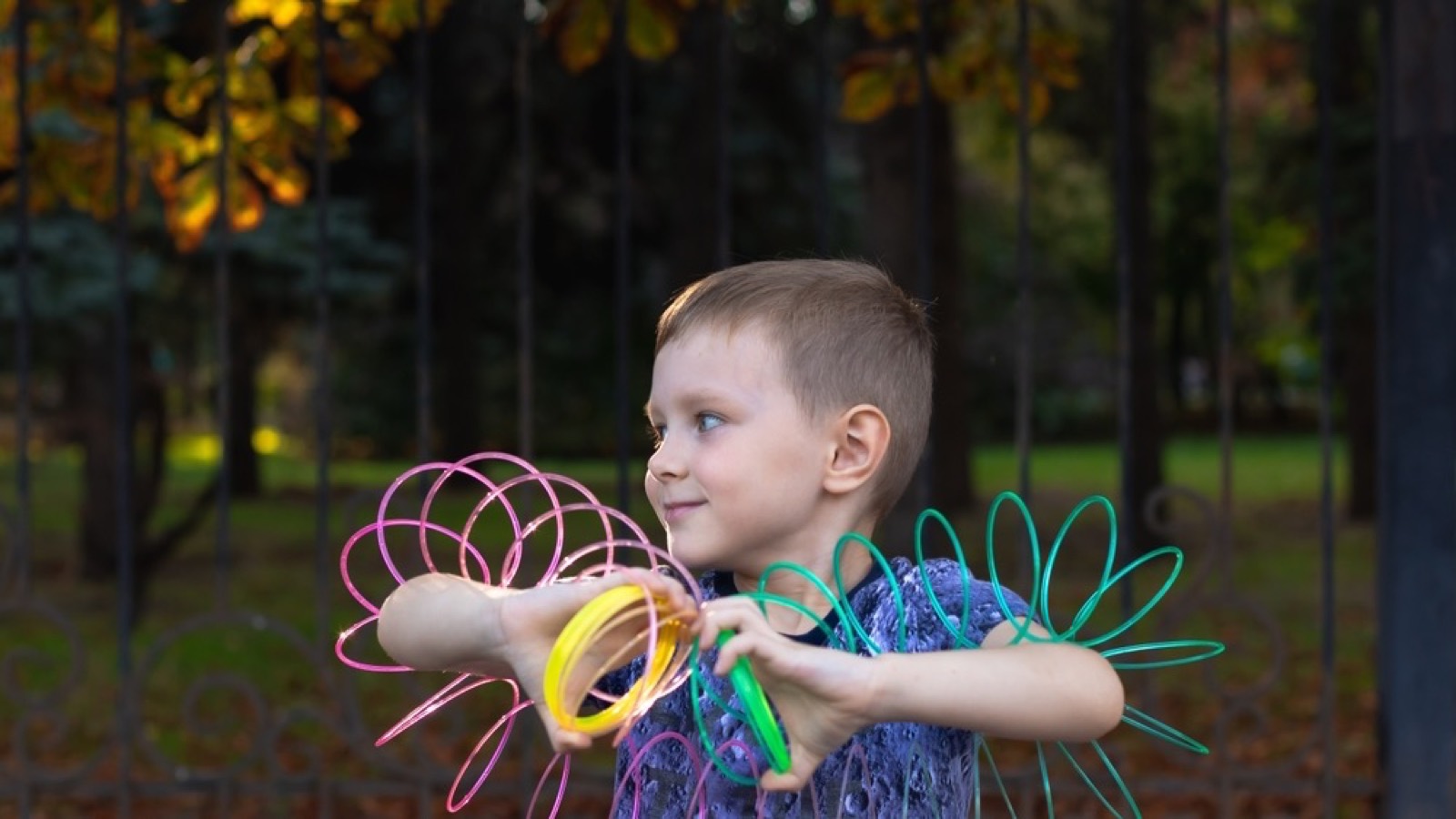
For most boomers, summer days and after-school hours were spent outdoors. Kids rode bikes, played tag, built forts and organized baseball games in vacant lots, all without adult supervision. Parents often sent them out after breakfast and told them to be home when the streetlights came on.
Many boomers say this freedom taught them independence and problem-solving. They settled their own disputes, made up their own games and explored their neighborhoods. Today’s kids often have more structured activities and less unplanned outdoor time, and many boomers wish their grandkids could experience that same sense of freedom.
2. Walking or Biking to School
Many boomers walked or rode their bikes to school, often with siblings or neighborhood friends. It was simply how kids got there. In 1969, 48% of students in kindergarten through eighth grade usually walked or biked to school, according to a Safe Routes to School report. By 2009, that number had dropped to just 13%.
Those daily walks were a chance to talk, laugh and explore. Kids learned their way around town and felt a sense of responsibility. Many boomers have vivid memories of their routes, from the corner store where they bought penny candy to the house with the barking dog everyone avoided.
3. Just a Few TV Channels
In the 1950s and ’60s, most families had just a handful of TV channels to choose from. Everyone watched the same shows, so the next day at school or work, people talked about the same programs. Saturday morning cartoons were a weekly event kids looked forward to all week.
With so few choices, families often watched together. There was no streaming, no recording and no binge-watching. If you missed a show, you waited for the rerun. Many boomers say that shared experience made TV feel more special, and it gave the whole country something in common to talk about.
4. One Phone for the Whole House
In most boomer homes, there was one telephone, often mounted on the kitchen wall with a long, tangled cord. Some families had a party line shared with neighbors. Calls were made at home, and if nobody answered, you simply tried again later.
There was no texting, no voicemail for many years and no way to be reached away from home. That meant less constant communication, but also less pressure to always be available. Teenagers stretched the phone cord into the pantry for privacy, and parents knew exactly who was calling the house.
5. Fewer Choices at the Store
Grocery stores in the 1950s and ’60s were much smaller, with far fewer brands and products. Families bought the same items week after week, and shopping didn’t involve comparing dozens of nearly identical options. Many neighborhoods also had a local butcher, baker and corner store.
Fewer choices made shopping quicker and less stressful. Kids knew their favorite cereals and candy bars by heart. Today, the sheer number of choices in a modern supermarket can feel overwhelming, and many boomers miss the simplicity of a smaller store where the owner knew your name.
6. Neighbors Knew Each Other
In many boomer neighborhoods, everyone knew everyone. Families chatted over the fence, borrowed cups of sugar and kept an eye on each other’s kids. If a child misbehaved down the street, their parents often heard about it before they got home.
That close-knit feeling gave kids a sense of security and belonging. Block parties, church gatherings and community events brought people together. Today, many people barely know their neighbors’ names, and boomers often say they miss the sense of community that came with living on a street where everyone looked out for each other.
7. Letters and Postcards
Before email and social media, people kept in touch by writing letters. Boomers remember waiting eagerly for the mail carrier, hoping for a letter from a pen pal, a grandparent or a summer camp friend. Postcards from vacations were proudly displayed on the refrigerator.
Writing letters took time and thought, and receiving one felt special. Many boomers still have boxes of old letters tucked away in closets. These handwritten notes have become treasured keepsakes, offering a glimpse into lives and relationships that might otherwise have been forgotten.
8. Unscheduled Summers
Summers for many boomer kids meant long, lazy days with nothing planned. There were no back-to-back camps, travel sports or tutoring sessions. Kids spent days swimming at the public pool, catching fireflies and reading library books on the porch.
Boredom was common, but it often led to creativity. Kids invented games, put on backyard plays and dreamed up adventures. Many boomers say those unstructured summers were some of the happiest times of their lives, and they wish today’s kids had more time to simply play.
9. Family Dinners Every Night
For most boomers, dinner was a family event that happened around the same time every evening. Everyone sat down together, shared the day’s news and ate the same meal. Leaving the table early or skipping dinner usually wasn’t allowed.
Those nightly meals created a steady rhythm and a sense of togetherness. Many boomers say they learned manners, conversation skills and family values around the dinner table. Today, busy schedules make nightly family dinners harder, but many boomers try to keep the tradition alive when their families visit.
A Different Kind of Life
Life for boomers wasn’t perfect, and plenty of things have improved since then. But the simplicity of their childhoods, with fewer distractions and closer communities, is something many people miss. It’s a reminder of the value of slowing down and connecting with others.
Many boomers remember the things kids in the 1960s did alone that would shock parents today, along with favorite Saturday morning cartoons from the era. What do you miss most about growing up in your generation? Share your favorite memory in the comments.