9 Things You Should Never Store in Ziploc Bags
There is probably a box of Ziploc bags somewhere in your kitchen. They are handy for packing sandwiches, storing leftovers, freezing portions of food, and keeping small household items organized.
Their usefulness, however, can make them seem like a universal storage solution. A bag that works perfectly for a sandwich may not suit hot food, harsh chemicals, or anything that needs genuinely protective long-term storage.
Some mistakes can cause leaks, damage, or unnecessary mess. Others involve choosing the wrong type of bag for the job.
Here are nine things worth keeping out of ordinary Ziploc bags.
Freshly Cooked, Piping-Hot Food
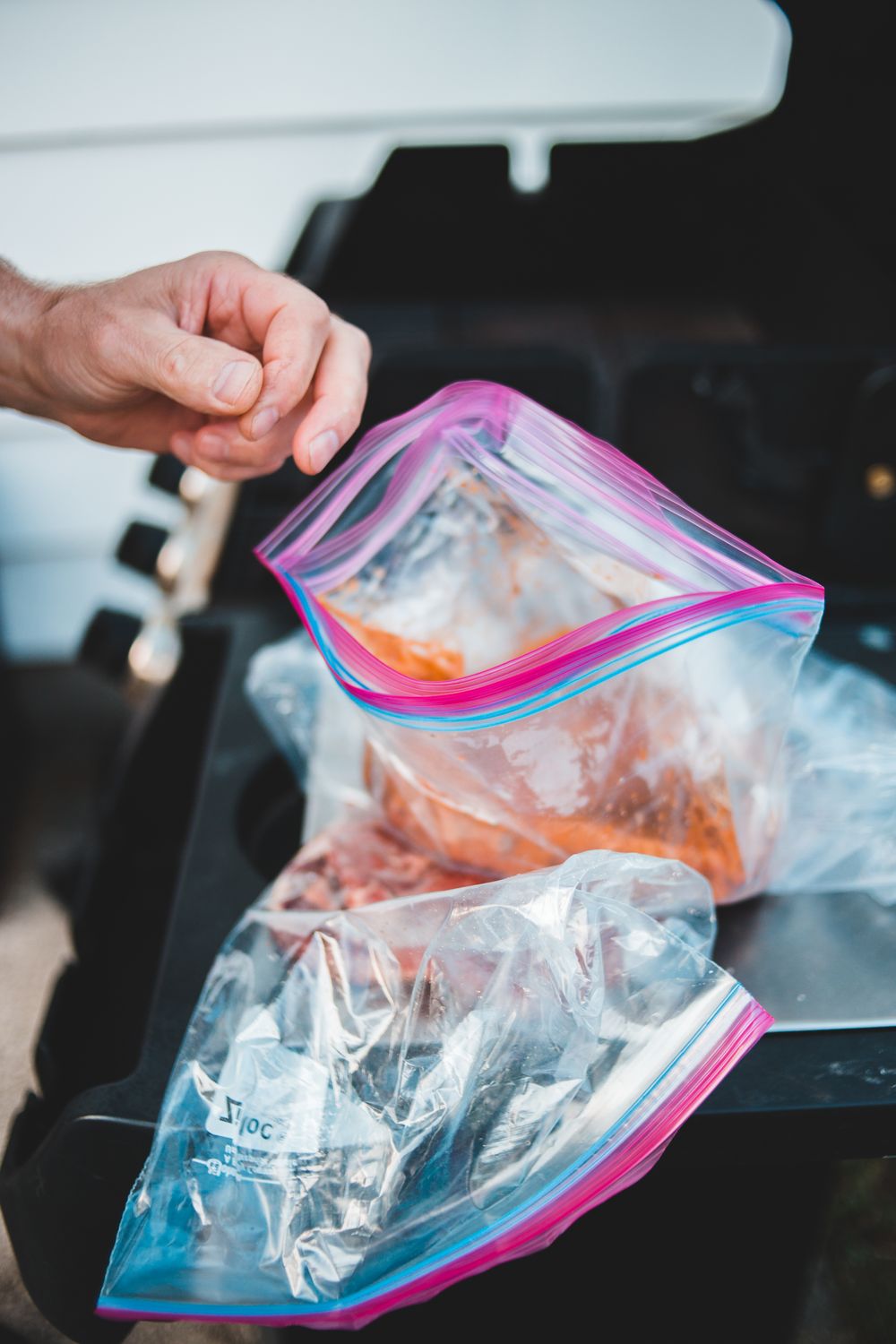
It can be tempting to scoop freshly cooked leftovers into a plastic storage bag while cleaning up the kitchen. But putting steaming-hot food directly into an ordinary Ziploc bag is not a good habit.
The manufacturer advises allowing hot food to cool before placing it in its bags. Heat can soften the plastic, and handling a bag filled with hot food can also increase the chance of spills.
A better approach is to let the food cool appropriately in a suitable container before transferring it to a storage or freezer bag.
Next time you pack dinner leftovers, give them time to cool instead of rushing them into plastic.
Related: Food Shortages Could Be Worse Than Expected: 10 Food Items to Stock Up on Now
Boiling Water or Food Being Cooked in Boiling Water
Some people use ordinary resealable bags for cooking tricks, including placing food inside a bag and lowering it into boiling water.
Standard polyethylene Ziploc storage bags are not designed for that.
According to the manufacturer’s guidance, do not use ordinary Ziploc bags for sous vide cooking in boiling water. The company makes a separate reusable silicone product, Ziploc Endurables, for higher-temperature applications.
If a recipe calls for cooking food inside a sealed bag, check that the specific product is designed for that purpose. Don’t assume a regular freezer bag is a cooking bag.
Gasoline and Other Flammable Liquids
A resealable plastic bag might seem convenient for containing a small amount of liquid, but gasoline and similar flammable substances belong in properly approved containers.
Ordinary food-storage bags are not designed to contain fuels safely. They can leak, and their plastic construction and seals are not intended for that kind of storage.
The same caution applies to other volatile liquids that require specialized containers.
If you are storing gasoline for equipment such as a lawn mower, use an approved fuel container and follow the manufacturer’s storage instructions. A Ziploc bag is not a substitute.
Related: 10 Foods With Ingredients That Sound Too Gross to Be Real
Strong Household Chemicals
Cleaning supplies can be messy to organize, especially when bottles have awkward shapes or caps that don’t seem completely secure.
However, ordinary food-storage bags should not be used as containers for bleach, paint thinner, drain cleaners, pesticides, or other concentrated household chemicals.
These substances may damage unsuitable materials, leak through seals, or create problems if the bag is punctured. Some chemicals also require specific packaging and storage conditions.
Keep them in their original, properly labeled containers whenever possible. Store them according to the labels and keep them away from food, children, and pets.
Sharp Knives, Scissors, and Other Pointed Objects
Ziploc bags are useful for organizing small household supplies, but they are not protective cases for sharp objects.
A knife blade, pair of scissors, screwdriver, or sharp gardening tool can puncture the plastic. Once the bag is damaged, its contents can fall out or injure anyone handling it.
If you need to organize sharp kitchen tools, use a proper knife block, blade guard, or protective case. Small tools should also have suitable protective covers before storage.
A plastic bag may keep an item separate from other belongings, but it should never be mistaken for protection against sharp edges.
Raw Meat in a Bag You Plan to Reuse
Ziploc bags can be useful for storing raw meat in the refrigerator or freezer when the particular bag is intended for food storage.
The bigger problem arises when someone washes the bag and plans to reuse it.
The manufacturer specifically advises against reusing its bags after they have held raw meat, fish, eggs, or foods that may trigger allergies.
Even careful washing may not make a previously used bag suitable for another round of food storage. Rather than trying to stretch its usefulness, discard it after that use.
This is one kitchen shortcut that is better left behind.
Hot Grease and Rendered Cooking Fat
After frying bacon or cooking fatty meat, some households collect leftover grease for later use. But pouring hot grease into an ordinary Ziploc bag invites trouble.
Hot fat can soften unsuitable plastic, and a flexible bag is difficult to handle safely when filled with a heavy, slippery liquid.
Allow grease to cool before handling it, then use a suitable, stable container if you intend to keep it. Follow local guidance for disposing of unwanted cooking oil and grease rather than pouring it down the drain.
The same principle applies to hot butter, cooking oil, and other heated fats.
Important Documents and Photographs for Long-Term Protection
Putting passports, birth certificates, family photographs, or important papers in a Ziploc bag may seem like a clever way to protect them from spills.
For short-term protection from accidental splashes, a properly sealed bag may help. But it is not a reliable long-term archival storage solution.
Ordinary storage bags are not designed to provide permanent protection against moisture, temperature changes, or environmental damage. Trapped moisture can also become a problem if you seal a document while it’s damp.
For important family records and photographs, use archival-quality sleeves, appropriate document folders, or dedicated protective storage. Keep them in a dry, stable location.
A resealable bag can be convenient, but it should not be your only plan for preserving irreplaceable documents.
Liquids in Thin Sandwich Bags
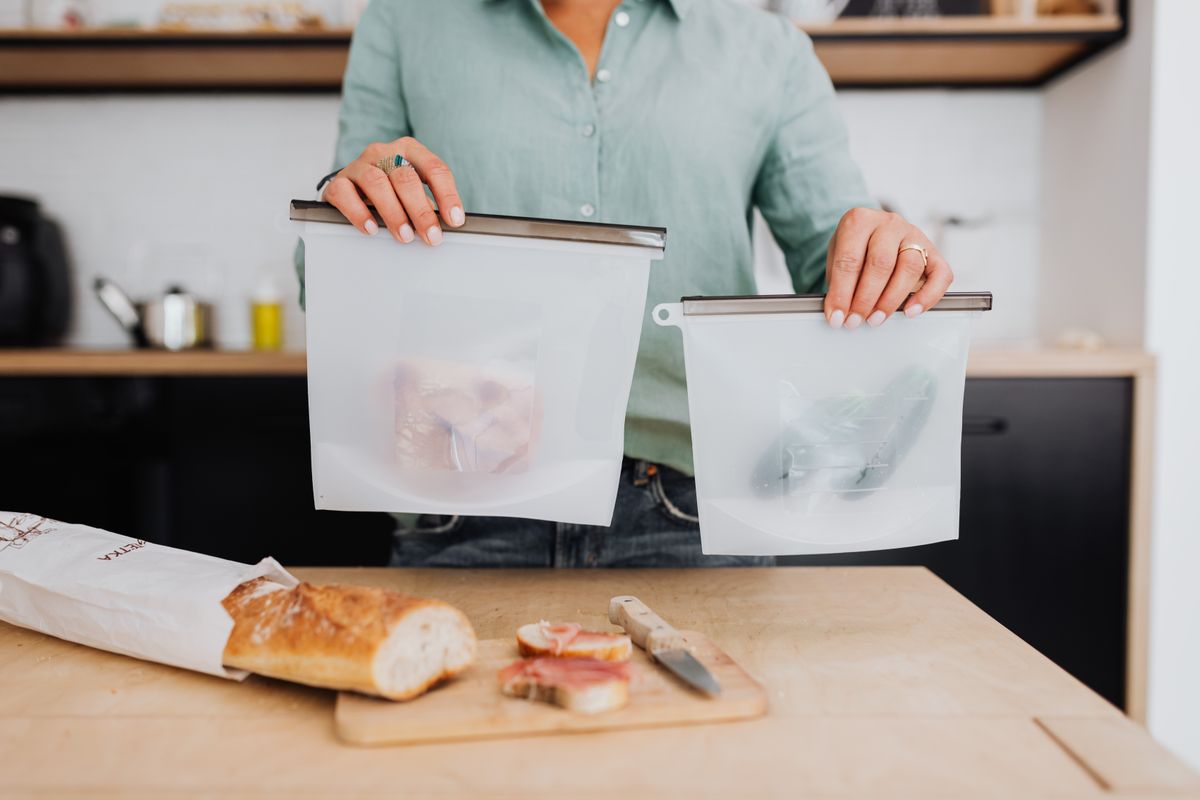
Not every Ziploc bag is designed to hold liquids. Thin sandwich and snack bags are intended primarily for items such as sandwiches, fruit, and other snacks.
They may not provide the same protection as a properly selected storage or freezer bag, especially when filled with liquids that can move around during transport.
A leaking bag of soup, sauce, or juice can quickly ruin a lunchbox, handbag, or refrigerator shelf.
For liquids, choose a suitable leak-resistant container with a secure lid. If you must use a plastic bag for a particular purpose, check the product’s instructions and place it inside another container for added protection.
Related: 8 Worst Foods to Serve at a Mother’s Day Brunch for Anyone Trying to Eat Healthy
The Right Bag Matters More Than You Think
Ziploc bags are useful household tools, but convenience shouldn’t be mistaken for unlimited versatility.
The manufacturer’s guidance makes several distinctions worth remembering: let hot food cool, don’t use ordinary polyethylene bags for boiling-water cooking, follow the specific microwave instructions, and avoid reusing bags that held raw meat, fish, eggs, or allergy-triggering foods.
Remember that different products have different instructions. A freezer bag isn’t automatically a cooking bag, and a sandwich bag isn’t necessarily suitable for liquids.
Before using one for an unusual storage task, take a moment to read the packaging.