7 Things Never to Do With a Winter Firewood Pile
A neatly stacked firewood pile can give you peace of mind before winter, but appearance alone does not guarantee that the wood is being stored properly.
Logs can absorb moisture from the ground, remain damp under poorly designed coverings, or sit in places where insects and other unwanted visitors can become a problem. Even the space surrounding the pile deserves attention, particularly when dry leaves and vegetation accumulate nearby.
A few simple storage habits can make a difference. Whether you use a fireplace or a wood-burning stove, avoid these seven common mistakes when preparing your firewood supply for colder weather.
Never Stack Firewood Directly Against Your House
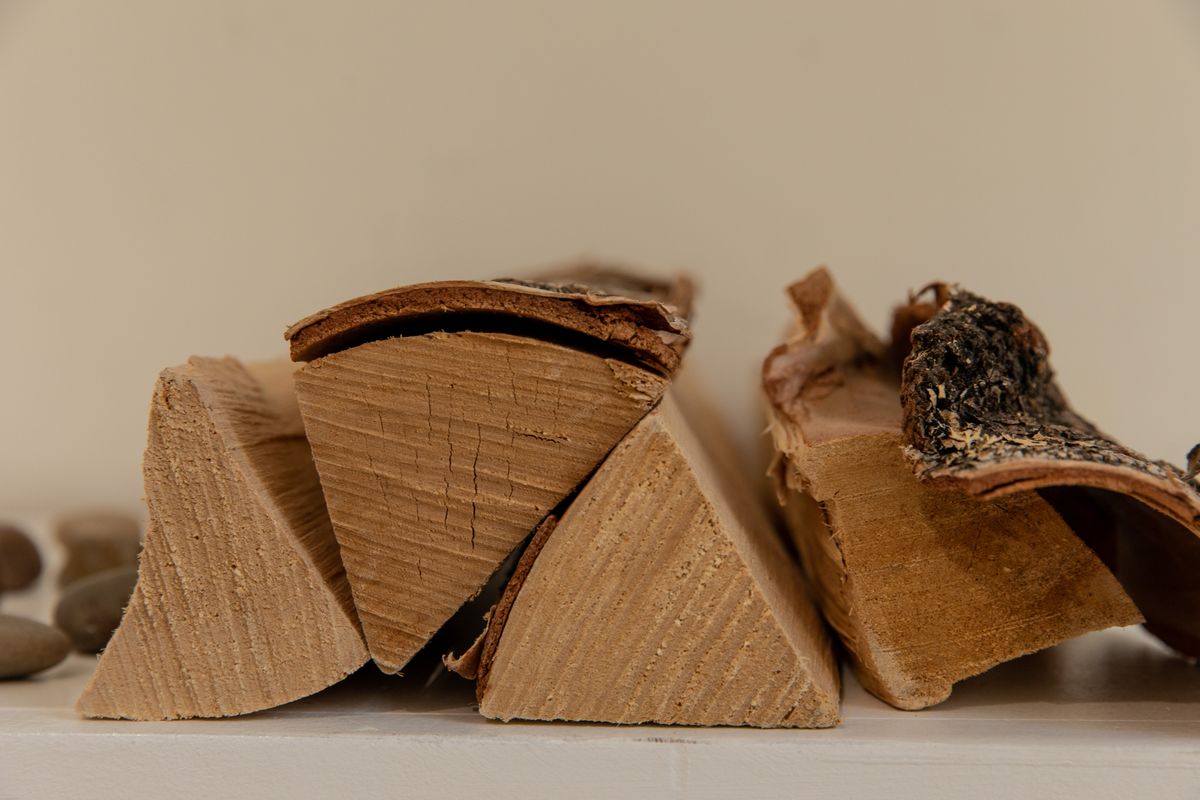
Piling logs against the siding might seem convenient when you need to carry them inside, but it creates problems that are easy to overlook. Firewood can attract insects and rodents, and certain pests associated with stored wood may eventually move toward nearby structures.
There is also a fire concern. The Minnesota Department of Natural Resources warns that firewood stacked against buildings can create a direct path for flames to spread if the pile catches fire.
Instead, choose a separate outdoor storage area. Keep the main winter supply away from the house, following local fire-safety guidance. You can still bring a small quantity inside when you are ready to use it.
Never Leave Your Firewood Sitting Directly on the Ground
The bottom layer of a firewood pile often gets neglected, even though it has the most contact with damp soil. Rainwater, wet grass, and moisture from the ground can affect the lower logs, making them more vulnerable to decay and slowing the drying process.
The U.S. Environmental Protection Agency’s former Burn Wise program recommends using a base to keep firewood off the ground. You do not need an expensive storage shed to follow this advice. A sturdy pallet, suitable wooden rails, or a dedicated firewood rack can provide a raised foundation. Just make sure the support is stable enough to hold the weight of the logs without shifting or collapsing.
Never Wrap the Entire Woodpile in a Tarp
A tarp seems like an obvious solution when rain and snow threaten your firewood. However, covering every side and sealing the pile can restrict the airflow needed for proper drying. The goal should be to protect the logs from precipitation without turning the stack into an enclosed package.
Think of the tarp as a roof rather than a sealed wrapper. Cover the top of the pile and leave the sides open so air can circulate between the logs. A small roofed storage structure can accomplish the same thing. The EPA’s firewood-storage guidance also recommends providing roof protection against rain and snow.
Never Pack the Logs Too Tightly
A perfectly straight, tightly packed woodpile might look impressive, but appearance should not come at the expense of ventilation. When logs are pressed together without enough space for air to move, the stack can take longer to dry. This is particularly inconvenient when you are preparing wood for the colder months and want it ready when needed.
Penn State Extension recommends stacking firewood loosely enough to encourage airflow while keeping the arrangement stable. That does not mean throwing logs into an unstable heap. Arrange them carefully, leave natural gaps between pieces, and use suitable end supports where necessary. A well-organized stack should stay upright while allowing air to move through it.
Never Choose a Permanently Damp, Shaded Corner
That quiet corner behind thick bushes might seem like the perfect place to hide a firewood pile. Unfortunately, if the area stays damp and receives little sunlight or fresh air, it may not be a good choice. Water collecting nearby can also make the situation worse by keeping the surrounding ground wet.
Cornell Cooperative Extension explains that firewood stored in shaded areas or near streams and lakes may need considerably longer to dry. Look for an open, well-drained location with good air circulation and suitable sunlight instead. Remember that sunlight helps with drying, while a protective cover keeps rain and snow off the logs. Both serve different purposes.
Never Let Dry Leaves and Vegetation Build Up Around the Pile
You might spend time arranging your logs perfectly and covering the top, only to overlook the mess surrounding the stack. Dry leaves, pine needles, dead grass, and other vegetation can provide additional fuel if a fire starts nearby.
The Minnesota Department of Natural Resources specifically recommends clearing leaves, needles, and dry vegetation around stored firewood. Sparks, embers, or a nearby grassfire could ignite combustible material and put the pile and surrounding property at risk.
Make clearing the area part of your regular outdoor maintenance. Remove accumulated debris and keep the surrounding space tidy. If you live in a wildfire-prone area, check your local defensible-space recommendations because clearance requirements and guidance can differ by location.
Never Store Your Entire Firewood Supply Inside the House
Having a few logs close to the fireplace makes sense, especially when the weather outside is unpleasant. However, bringing the entire winter supply into your home is a different matter. Large indoor woodpiles introduce additional combustible material and can bring insects into living spaces.
The National Plant Board advises against storing firewood indoors because of fire and pest concerns. Its guidance recommends keeping the main supply outside and bringing in only what is needed. This does not mean you cannot have a small indoor firewood holder for convenience.
Just keep it away from fireplaces, wood-burning stoves, and other heating equipment. The Oregon State Fire Marshal recommends keeping combustible materials at least three feet from heating equipment. Always follow your appliance manufacturer’s specific clearance instructions as well.