7 Expired Condiments You Should Throw Away Immediately
Your refrigerator likely has at least one condiment you cannot remember buying. Perhaps it is a half-empty bottle of barbecue sauce, a jar of mayonnaise from last summer, or an old container of salsa hiding behind the milk.
Condiments are easy to forget because people rarely use an entire bottle or jar in one sitting. They get opened, used occasionally, pushed toward the back of the refrigerator, and rediscovered months later.
The problem is that some sauces and spreads have a much shorter life after opening than many households realize. Refrigeration helps preserve them, but it does not make them last forever.
Here are seven condiments worth checking before your next meal.
Mayonnaise

Mayonnaise is one of the first things worth inspecting when cleaning out the refrigerator.
Commercial mayonnaise contains ingredients that help maintain stability, but once opened, it still has a recommended shelf life. The USDA FoodKeeper guidance generally recommends using commercially prepared mayonnaise within about two months after opening when refrigerated.
That timeline can be shorter if the product has been mishandled or left sitting at room temperature for too long.
Look for noticeable changes such as an unusual smell, mold, or a significant change in appearance. If the mayonnaise has been contaminated by food crumbs or dirty utensils, discard it.
One important distinction: homemade mayonnaise differs from commercial mayonnaise and may have a much shorter shelf life.
Related: 7 Foods That Could Be Killing Your Pet Slowly
Opened Salsa
A jar of salsa can easily remain in the refrigerator long after taco night is over.
Unlike some shelf-stable sauces, opened salsa generally has a relatively short recommended refrigerator storage period. FoodKeeper guidance puts opened salsa, picante sauce, and taco sauce at approximately one month in the refrigerator.
Keep this in mind if you regularly buy large jars but use only a few spoonfuls at a time.
Check for mold, an unusual smell, bubbling that is not expected for the product, or an unexpected change in texture. Do not taste salsa to determine whether it has spoiled.
If you cannot remember when you opened the jar, and it’s been sitting in the refrigerator for months, replacing it is the safer choice.
Creamy Salad Dressing
Salad dressing bottles often survive several grocery trips because households use them only occasionally.
However, commercial bottled salad dressings have different storage recommendations depending on their ingredients and formulation.
For many commercially bottled dressings, FoodKeeper guidance recommends approximately one to three months of refrigerated storage after opening.
Creamy dressings deserve particular attention because their ingredients can include dairy or other components that require careful handling.
Discard a dressing if you notice mold, an unusual odor, an unexpected texture change, or other obvious signs of spoilage.
Separation alone does not necessarily mean a dressing has gone bad. Some products naturally separate and are designed to be shaken before use. Always consider the manufacturer’s instructions.
Related: 8 Natural Food Ingredients That Make Everything Taste Better
Barbecue Sauce
Barbecue sauce can sit in the refrigerator for months because people often use it only during grilling season.
The bottle may appear perfectly normal even when it has been open longer than recommended.
FoodKeeper guidance suggests using commercially bottled barbecue sauce within approximately four months after opening when refrigerated.
Pay attention to how the bottle has been handled. If someone repeatedly dips food directly into it, crumbs and other contaminants may enter the container.
Discard it if you notice mold, an unusual smell, or a substantial change in appearance that is not expected for the product.
If the sauce has been forgotten for most of the year, check the opening date and storage instructions instead of assuming it is still good.
Opened Olives
A jar of olives may look like it can last indefinitely because the olives sit in brine.
That liquid helps preserve them, but it doesn’t mean an opened jar can stay in the refrigerator forever.
FoodKeeper guidance recommends using opened black and green olives within approximately two weeks when refrigerated.
Look for mold, an unpleasant or unusual smell, or unexpected texture changes. Also check whether the olives have remained properly covered by their brine, as directed by the product label.
If the jar has been open for several months, replace it rather than risk serving questionable olives with dinner.
Refrigerated Pesto
Pesto is one of those refrigerator items people sometimes forget because only a small amount is needed for pasta, sandwiches, or other meals.
However, refrigerated pesto generally has a much shorter storage life than many bottled sauces.
FoodKeeper guidance recommends using refrigerated pesto within approximately three days after opening. Jarred, shelf-stable pesto may have different instructions, so don’t treat every product the same way.
Fresh pesto can deteriorate relatively quickly, particularly once exposed to air and repeated handling.
Watch for mold, an unusual smell, or unexpected changes in appearance. A layer of oil on top is not automatically proof of spoilage, but visible mold is a reason to discard the entire product.
This is one condiment where writing the opening date on the container can be particularly helpful.
Opened Pickles
Pickles are another refrigerator staple that can remain forgotten for surprisingly long periods.
Their acidic brine helps preserve them, but opened jars still have recommended storage periods.
FoodKeeper guidance generally gives opened pickles approximately one to three months in the refrigerator, depending on the product and storage conditions.
Check for mold, unusual odors, and unexpected texture changes. Also, use clean utensils rather than repeatedly reaching into the jar with your fingers or using utensils that have touched other foods.
If the pickles have become unusually soft or show visible spoilage, do not assume the brine has kept them safe.
Related: 8 Cheap Fast-Food Meals That Could Be Costing You More Than You Think
The Expiration Date Isn’t Always the Whole Story
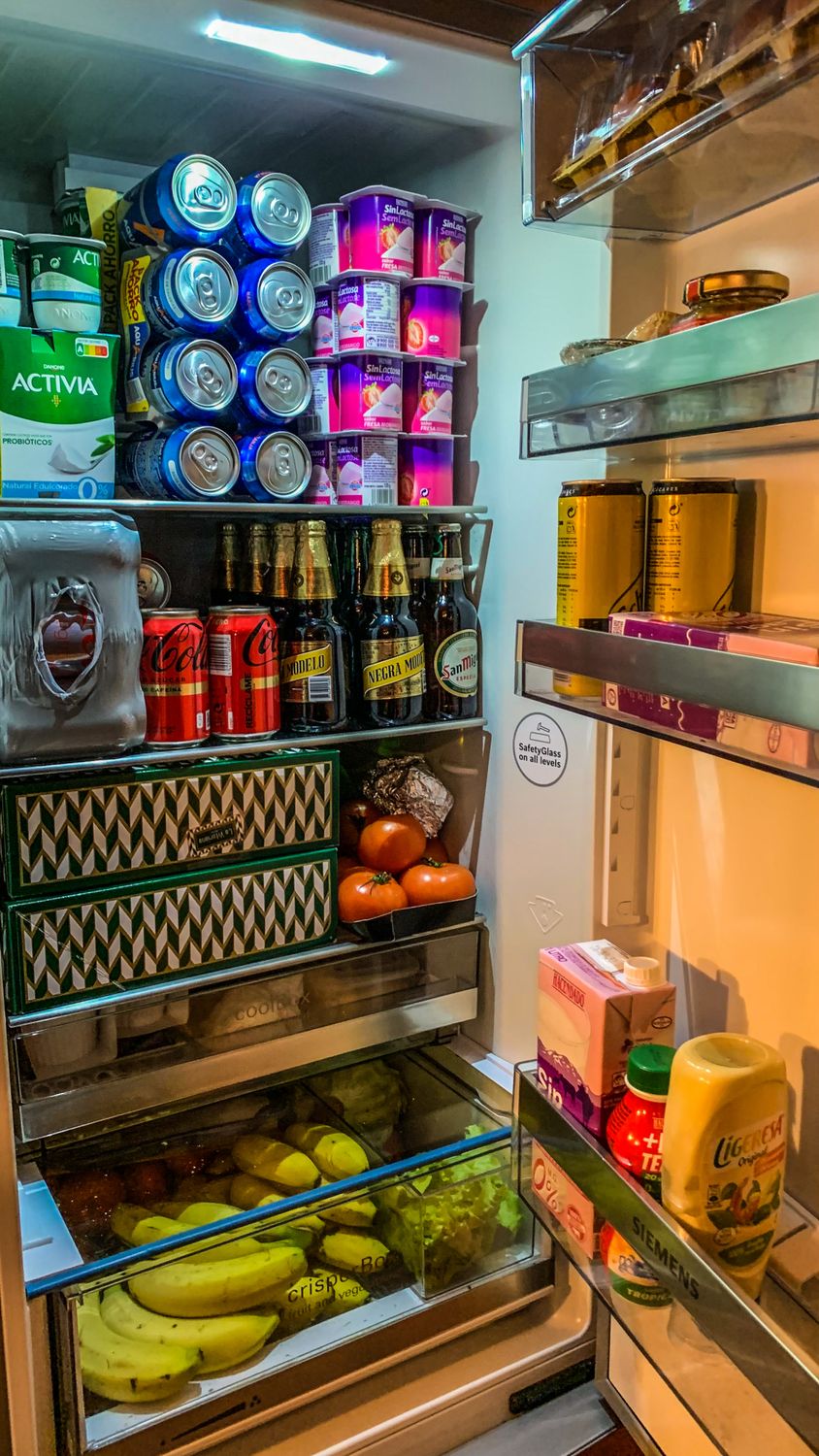
Before emptying your refrigerator, remember that a printed date doesn’t always mean food becomes unsafe the next day.
The FDA explains that most packaged-food date labels in the United States are related to quality rather than an automatic food-safety deadline. Phrases such as “Best if Used By” generally indicate when a product is expected to be at its best.
Storage conditions matter, too. A condiment that has been continuously refrigerated and handled properly may remain in good condition beyond its quality date. At the same time, another product can spoil before that date if it has been contaminated or stored incorrectly.
A few simple habits can help prevent unnecessary waste:
- Write the opening date on bottles and jars.
- Return refrigerated condiments to the refrigerator promptly.
- Use clean utensils when serving sauces and spreads.
- Follow the manufacturer’s storage instructions.
- Throw away products showing visible mold or other clear signs of spoilage.
- Avoid tasting questionable food to decide whether it is safe.
The refrigerator door may be one of the most overlooked places in your kitchen. A quick inspection can help you identify forgotten condiments, make room for fresh groceries, and avoid serving something that should have been discarded weeks earlier.