Who Carves the Turkey? The Thanksgiving Job Families Still Argue Over
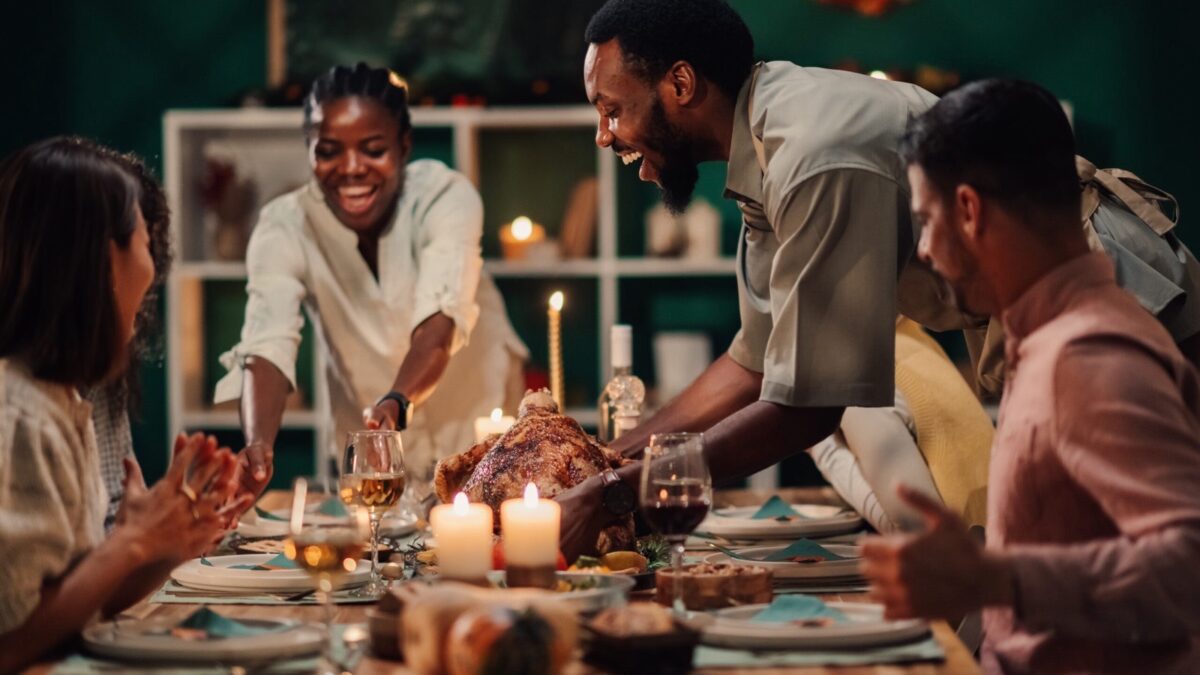
Every family has its own Thanksgiving traditions, but few moments carry quite as much ceremony as carving the turkey. The golden bird comes out of the oven, the whole family gathers around and someone picks up the knife. In many homes, who gets to hold that knife is a matter of tradition, pride and sometimes a little friendly tension.
For generations, carving the turkey was considered the man of the house’s job. It was a symbolic role that went to Dad or Grandpa, often with great fanfare. But times have changed, and in many families today, the question of who carves has become a surprisingly lively debate.
Some families still hold tight to the old ways, while others have moved on completely. Here’s a look at how the carving tradition started, why it still matters to so many people and the arguments families have over it every November.
The Tradition of the Head of the Household
For much of American history, carving the meat at a big family meal was the job of the head of the household. It was seen as a mark of honor and responsibility. The person who carved was serving the family, and doing it well was a point of pride.
That image was captured in Norman Rockwell’s famous 1943 painting Freedom From Want, which shows a grandmother setting a huge turkey on the table while the grandfather stands at the head, ready to carve. For many boomers, that picture looks exactly like the Thanksgiving dinners of their childhood.
Why Carving Became a Man’s Job
In the mid-20th century, the kitchen was largely the woman’s domain. Mothers and grandmothers did the shopping, the cooking and the baking, often for days ahead of Thanksgiving. Carving the turkey was one of the few holiday cooking tasks given to men, and it happened at the table, in front of everyone.
It was a moment of performance. Fathers sharpened the carving knife with a whetstone or steel, sometimes with dramatic flair, and the family watched as the slices fell onto the platter. Many people who grew up in the 1950s, 1960s and 1970s remember that moment as one of the highlights of the meal.
The Electric Knife Era
In the 1960s and 1970s, many families traded the traditional carving set for a new gadget: the electric knife. It buzzed loudly, sliced through the bird with ease and became a fixture in kitchens across the country. Electric knives were a popular wedding and Christmas gift for years.
For many dads, the electric knife was a point of pride. Kids remember the whirring sound as the turkey was carved, and the knife often came out only for holidays. Plenty of families still have a vintage electric knife tucked in a drawer, along with other 1970s kitchen staples that defined the era.
The Cook Who Wants to Carve
In many families today, the argument starts with the person who actually cooked the turkey. Often, that’s a woman who spent hours brining, roasting and basting the bird. Some cooks say it makes no sense to hand the knife to someone who had nothing to do with the cooking.
Others argue the opposite. After hours in a hot kitchen, the cook deserves to sit down and let someone else take over. Either way, it’s a common point of friendly debate. Some cooks simply carve the turkey in the kitchen before it ever reaches the table, which sidesteps the whole question.
Grandpa’s Turn Versus the Next Generation
Another common source of tension is the handoff from one generation to the next. In many families, Grandpa carved the turkey for decades. As he gets older, someone else eventually has to take over, and deciding who that will be can be an emotional moment.
Some families make a ceremony of it, with Grandpa passing the knife to his son, daughter or grandchild. Others let it happen naturally. For older men who carved for most of their lives, giving up the job can feel like the end of an era. Many families say that moment is one of the most bittersweet parts of the holiday.
The Kitchen Carving Camp
These days, many cooks argue that the best place to carve a turkey isn’t at the table at all. Carving in the kitchen gives you room to work, a big cutting board and access to the sink. It also lets the cook separate the dark meat from the white meat and arrange a neat platter.
Food experts often recommend removing the whole breast and slicing it across the grain, rather than carving thin slices off the bird. That method is easier and keeps the meat juicier. It’s a practical approach, but traditionalists say it takes away the drama of the tableside carving moment.
When Nobody Wants the Job
Not every family argues over who gets to carve. In some homes, nobody wants to do it. Carving a turkey can be messy and a little intimidating, especially for someone who’s never done it before. Nobody wants to be the person who hacks the bird into ragged pieces in front of the whole family.
That’s why some families ask the local grocery store or butcher to help, or they cook a turkey breast instead of a whole bird. Others turn to online videos to learn the basics. A good sharp knife and a little practice go a long way.
Carving and Family Pride
For many families, carving the turkey is about more than slicing meat. It represents leadership, generosity and care for the people at the table. The person who carves is, in a way, serving everyone else first. That’s why the job can carry so much emotional weight.
It’s also a chance to create memories. Kids remember who carved, how they did it and what they said. Many people say they still picture their father or grandfather standing at the head of the table with a carving knife. These kinds of traditions are part of what makes Thanksgiving traditions so unique to Americans.
Settling the Debate
There’s no right or wrong answer when it comes to who carves the turkey. Some families keep the old tradition, while others share the job or let the cook decide. What matters most is that everyone gathers around the table to enjoy the meal together.
In your family, who carves the turkey? Is it a long-held tradition, or does it change from year to year? And has there ever been a debate over who gets to hold the knife?