Pumpkin Pie Comes Out Silkier When You Use This Canned Milk
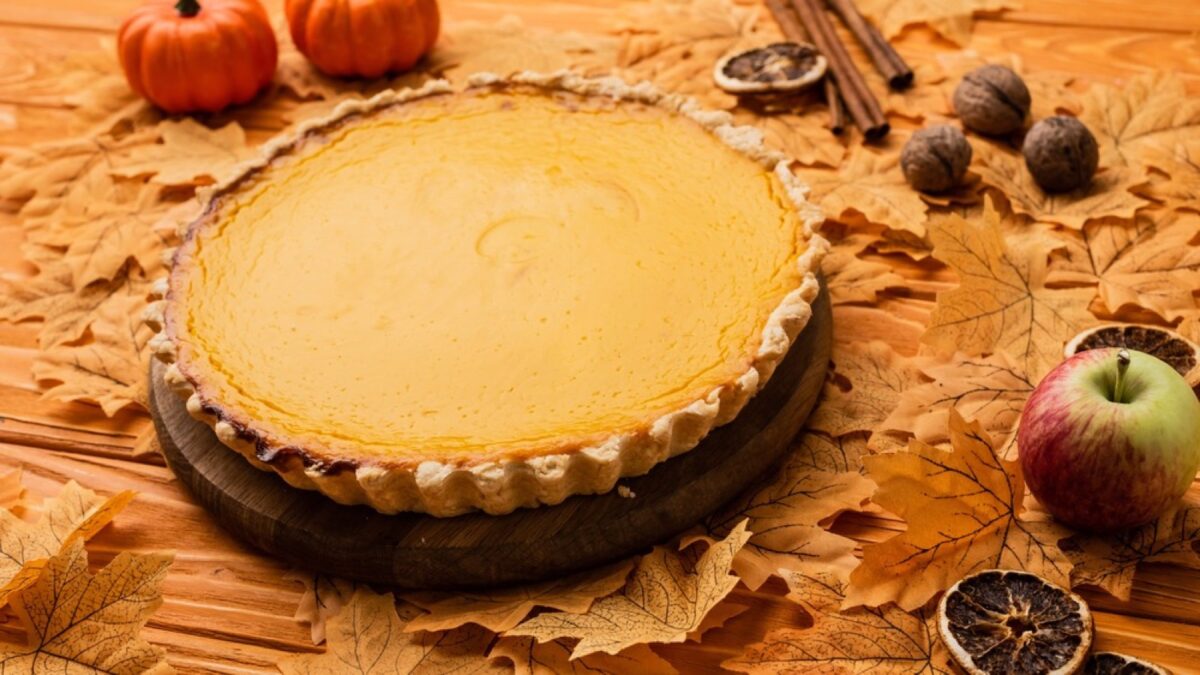
Pumpkin pie is the dessert that defines Thanksgiving. It’s the slice everyone saves room for, topped with a swirl of whipped cream and served with a cup of coffee after the big meal. But not every pumpkin pie turns out the same. Some are smooth and creamy, while others are watery, grainy or cracked across the top.
The difference often comes down to one ingredient that many home cooks overlook. It sits in a small can in the baking aisle, and it’s been the secret to great pumpkin pie for generations. Grandma knew about it, and so do the people at the most famous pumpkin company in America.
That ingredient is evaporated milk. Here’s why it makes pumpkin pie so silky, how it’s different from regular milk and sweetened condensed milk, and a few tips for getting the best results this Thanksgiving.
What Evaporated Milk Is
Evaporated milk is simply milk that has had about 60 percent of its water removed by gentle heating. The result is a thicker, richer milk that’s sealed in a can and sterilized, so it keeps on the shelf for months. It doesn’t contain added sugar.
According to Wikipedia’s overview, canned evaporated milk became widely available in the late 1800s and was a pantry staple in American homes throughout the 20th century. Before refrigerators were common, it was a reliable way to keep milk on hand, and home bakers used it in all kinds of recipes.
Why It Makes Pumpkin Pie Silkier
Pumpkin pie is a custard, made from pumpkin, eggs, sugar, spices and milk or cream. The texture of the custard depends on how much liquid is in the filling and how the proteins set as it bakes. Too much water can lead to a weepy or soggy pie.
Because evaporated milk has less water than regular milk, it gives the filling more richness and body without making it runny. The concentrated milk proteins help the custard set into a smooth, creamy texture. It also has a slightly caramelized flavor from the heating process, which pairs beautifully with pumpkin and warm spices.
The Famous Recipe That Uses It
If you’ve ever made pumpkin pie from the recipe on the back of a can of pumpkin, you’ve already used evaporated milk. The classic Libby’s pumpkin pie recipe calls for a can of evaporated milk, along with pumpkin, sugar, eggs, cinnamon, ginger, cloves and salt.
That recipe has been printed on Libby’s cans for decades, and it’s the version many Americans grew up eating. Libby’s, now owned by Nestlé, is by far the best-known canned pumpkin brand in the country, and the pumpkin pie most families picture is the one from that label. Its popularity is a big part of why evaporated milk became so closely tied to Thanksgiving.
The recipe has stayed remarkably consistent over the years. Generations of home bakers have followed the same simple steps: mix the sugar and spices, beat in the eggs, stir in the pumpkin and gradually add the evaporated milk. Many cooks still have a stained copy of it tucked in their recipe box, even though it’s printed right on the can.
Don’t Confuse It With Sweetened Condensed Milk
One of the most common mistakes is grabbing the wrong can. Sweetened condensed milk sits right next to evaporated milk on the shelf, and the cans can look similar. But they’re very different products.
Sweetened condensed milk has a lot of sugar added, which makes it thick and syrupy. Some pumpkin pie recipes are designed to use it, and they call for much less sugar as a result. If you swap it into a recipe written for evaporated milk, your pie will be far too sweet and may not set properly. Always check the label before you start.
Evaporated Milk Versus Heavy Cream
Some bakers use heavy cream or half-and-half in their pumpkin pie instead of evaporated milk. Cream makes a rich pie, but it can sometimes be heavier, and it adds more fat. Evaporated milk gives a smooth, silky custard that’s rich but still light enough to enjoy after a big meal.
Evaporated milk is also convenient. It keeps in the pantry until you need it, so there’s no last-minute run to the store for cream on Thanksgiving week. Many families stock a couple of cans every November just for pie-baking season.
Tips for the Silkiest Pumpkin Pie
A few simple steps help evaporated milk do its job. First, whisk the filling thoroughly so the eggs, pumpkin and milk are fully combined. A smooth, well-mixed filling bakes into a smooth custard.
Second, don’t overbake the pie. Many bakers say the pie is done when the edges are set but the center still has a slight jiggle. It will continue to firm up as it cools. Overbaking is the most common cause of cracks across the top of a pumpkin pie.
Let It Cool Slowly
Cooling also matters. Letting the pie cool at room temperature, rather than moving it straight to the refrigerator, helps prevent cracks and keeps the texture creamy. Once it’s cooled, the pie can be refrigerated until it’s time to serve.
Many cooks also make their pumpkin pie a day ahead. That gives the flavors time to settle and frees up oven space on Thanksgiving Day. If you’re short on oven room, an air fryer oven can take on some of the other dishes.
Use Plain Canned Pumpkin, Not Pie Filling
Another can mix-up can ruin a pie. Canned pumpkin puree is just cooked, mashed pumpkin. Pumpkin pie filling, on the other hand, already has sugar and spices added. If a recipe calls for pumpkin puree and evaporated milk, using pie filling will throw off the flavor and sweetness.
Check the label carefully when shopping. Plain pumpkin puree gives you full control over the sugar and spices, which is how most classic recipes are written.
A Small Can With a Big Legacy
Evaporated milk may not be the most glamorous ingredient in the kitchen, but it has earned its place in American baking history. From Grandma’s pumpkin pie to fudge and sweet potato casseroles, it has quietly made countless holiday dishes better. If pie is the highlight of your holiday, here’s a look at the Thanksgiving pies families serve across America.
Do you make your pumpkin pie with evaporated milk, or do you use cream or another secret ingredient? And is your family’s recipe the one from the back of the can?