The Rise of “Porch Pirates 2.0” in Los Angeles: How Thieves Are Adapting to Doorbell Cameras.
In neighborhoods across Los Angeles, California, the front porch has quietly transformed into one of the most targeted microcrime zones in America. What used to be a simple drop-off point for mail and deliveries has become a high-risk intersection of convenience, technology, and opportunity.
For years, homeowners believed doorbell cameras would change everything. The idea was simple: install a device, watch the porch, stop the thief. But a new wave of theft is proving that criminals adapt faster than security trends.
Welcome to Porch Pirates 2.0, where thieves are no longer afraid of the camera. They are learning how to work around it.
From Opportunistic Theft to Strategic Crime
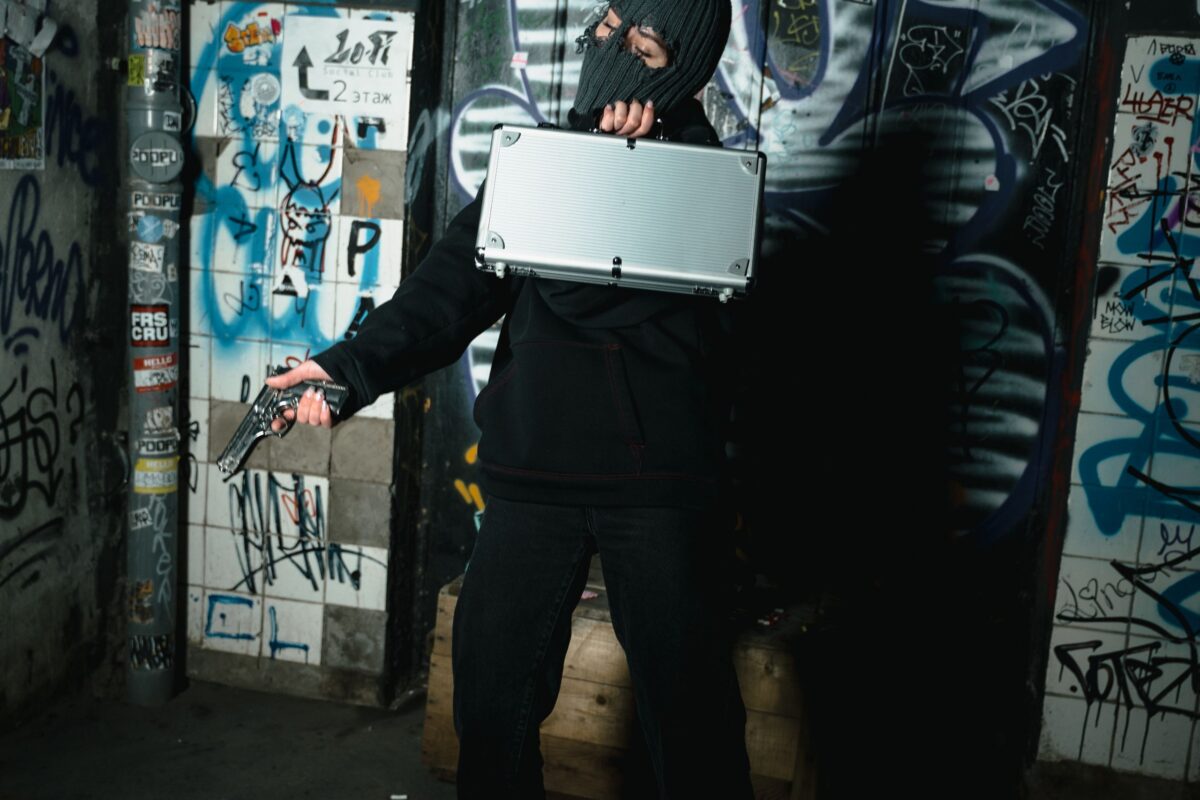
The original version of porch piracy was simple. A thief walked up, saw a package, grabbed it, and left quickly. No planning. No strategy. Just an opportunity.
But in cities like Los Angeles, where dense housing, constant deliveries, and busy streets create endless targets, the crime has evolved.
Porch Pirates 2.0 are more deliberate. They watch neighborhoods. They learn delivery patterns. They time their moves. Some even follow delivery vans down residential streets, waiting for packages to be dropped before moving in minutes later. The crime has shifted from random theft to calculated interception.
Doorbell Cameras Changed the Game But Not the Outcome
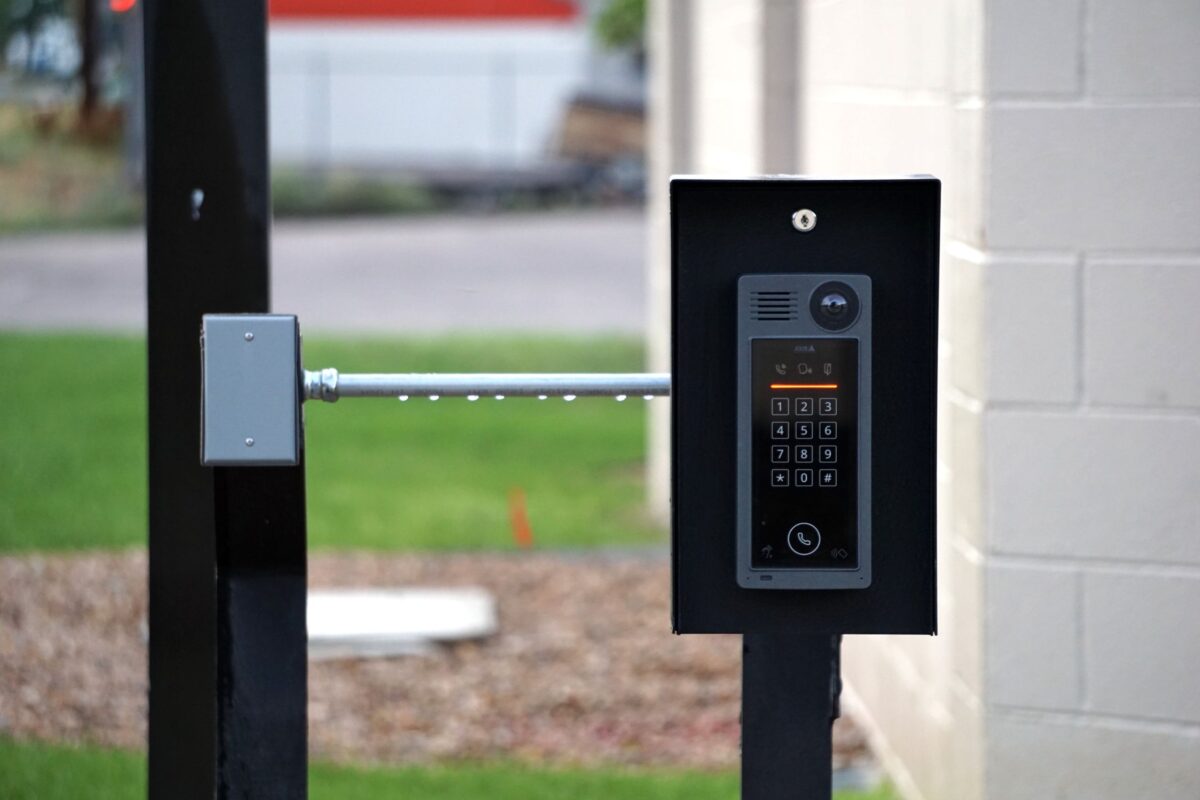
When doorbell cameras became mainstream, they were expected to curb porch theft. And in some cases, they did help. The sight of a blinking lens has stopped plenty of thieves mid-step. Motion alerts have allowed homeowners to rush outside and recover packages. Footage has helped identify repeat offenders.
But the presence of cameras also taught thieves something important: they are being watched. And instead of stopping, many adapted.
How Porch Pirates 2.0 Outsmart the Camera

Today’s thieves are not necessarily avoiding homes with cameras. They are learning how to operate within their view.
Some wear hoodies, masks, or sunglasses to make identification nearly impossible. Others keep their heads down, never looking directly at the doorbell lens. Many move quickly, knowing that most homeowners will not respond until after the package is already gone.
In more advanced cases, thieves use timing as a weapon. They wait for delivery notifications, track trucks in real time, and strike within minutes of drop off.
There are also reports of coordinated thefts, where one person distracts attention while another grabs the package. In busy Los Angeles neighborhoods, where multiple deliveries happen in a single afternoon, this strategy becomes even more effective. The result is a frustrating reality for homeowners: the camera captures everything, but nothing changes in time to stop the loss.
Why Los Angeles Has Become a Hot Zone for Porch Theft
Los Angeles is uniquely vulnerable to porch piracy for several reasons. First, the scale of online shopping is enormous. With millions of residents and constant home deliveries, packages are often left unattended for hours.
Second, many homes sit close to sidewalks and streets. In dense residential areas, a porch is not hidden; it is exposed.
Third, apartment complexes and multi-unit buildings create additional risk. Shared entryways, unsecured mailrooms, and high delivery volumes make it easy for thieves to blend in.
Finally, the pace of life works in the criminals’ favor. In a city where people are often away for work, commuting, or traveling, packages can sit outside longer than in smaller communities. In neighborhoods across Los Angeles County, residents are reporting a familiar pattern: delivery, notification, and disappearance, sometimes all within ten minutes.
The Illusion of Security When Watching Is Not Stopping
The biggest misconception about doorbell cameras is that visibility equals prevention. In reality, cameras often function as forensic tools rather than protective barriers. They record events rather than prevent them.
This creates a false sense of security for many homeowners. They assume that the presence of surveillance will completely deter theft. But Porch Pirates 2.0 have learned that being recorded is not the same as being caught in the act. A stolen package can still disappear long before anyone checks the alert.
And unless law enforcement can clearly identify a suspect, many cases never move beyond footage sitting in a cloud storage folder.
The Emotional Cost of Porch Piracy
Beyond financial loss, porch theft carries a deeper emotional impact. A stolen package is rarely just a box. It is a birthday gift. A replacement phone charger. A prescription. A piece of equipment needed for work. Sometimes it is something small, but meaningful.
In Los Angeles neighborhoods where community ties vary block by block, the violation feels personal. A stranger has walked onto private property and taken something meant for someone else. It is not just theft. It is an intrusion.
The New Layered Defense Strategy
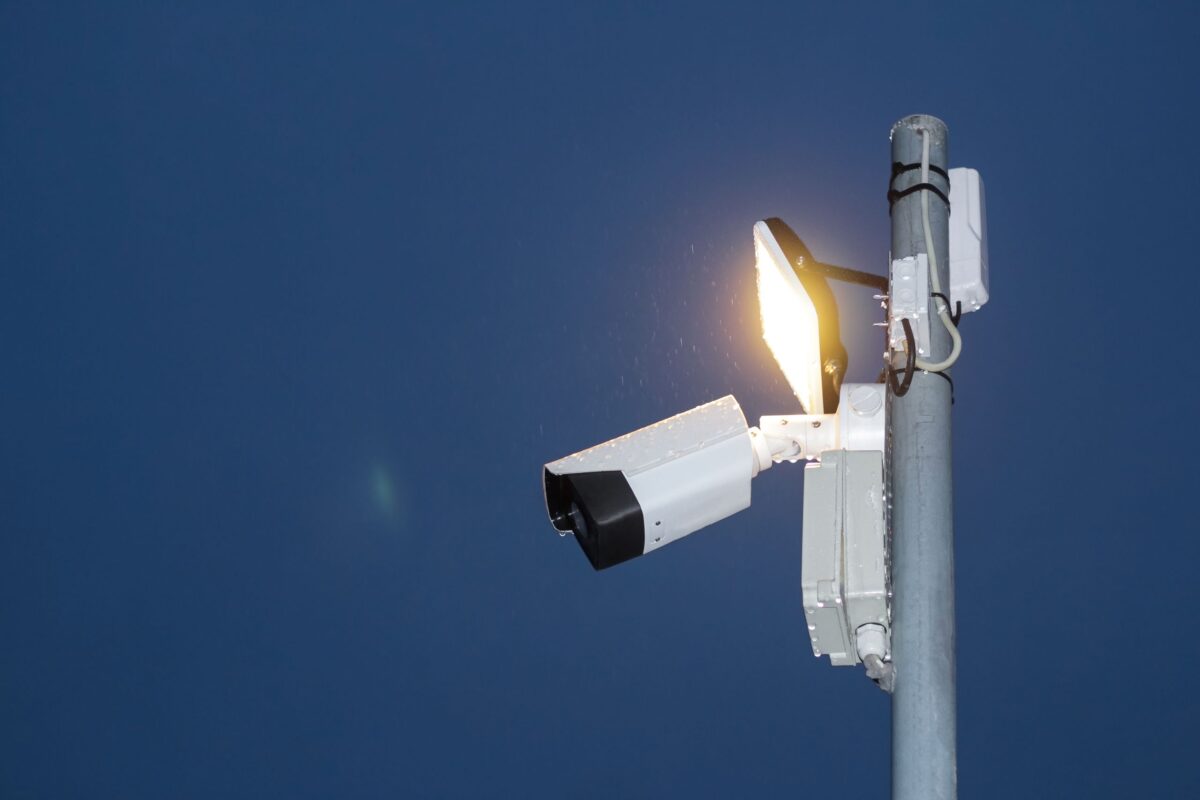
If Porch Pirates 2.0 are more advanced, then the response must also evolve. Experts increasingly point toward a layered defense strategy rather than reliance on a single device.
Doorbell cameras still play a role, but they work best alongside other protections and clear homeowner action. Secure package lockers are becoming more common in apartment buildings and gated communities. These lockable storage units prevent access even if a thief reaches the property.
Delivery instructions are also gaining importance. Homeowners should direct packages to side entrances, hidden areas, or trusted neighbors.
Some residents should use motion-activated lights to increase visibility, making theft riskier and more noticeable. Others should opt for pickup locations instead of home delivery, especially for high-value items.
Even simple habits, like retrieving packages quickly after delivery notifications, significantly reduce risk. The key idea is simple: reduce exposure time.
How Technology Is Fighting Back
The next phase of anti-theft technology is already emerging. Some delivery services now offer real-time tracking down to the minute, narrowing the window of opportunity. Others are experimenting with verification-based drop-offs that require codes or signatures before release.
Artificial intelligence is also being used in security systems to detect suspicious behavior patterns rather than just motion. Instead of simply recording someone walking up to a porch, future systems may flag loitering, repeated passes, or unusual movement patterns.
In cities like Los Angeles, where scale makes enforcement difficult, these tools could become essential. But even the most advanced systems still rely on one key factor: human response time.
The Future of Porch Piracy: Smarter Thieves, Smarter Homes
Porch piracy is not disappearing. It is evolving. As long as packages are left unattended in visible locations, there will be an incentive for theft. And as long as surveillance tools improve, thieves will continue adapting to bypass them.
The battle is no longer about whether doorbell cameras work. It is about whether they are part of a stronger security mindset.
Porch Pirates 2.0 represent a shift from impulsive crime to calculated opportunity. They are faster, more aware, and less intimidated by being recorded. That is why the response must be smarter, too. But they are not unstoppable.
Homes that combine awareness, timing, physical barriers, and smart technology are already seeing reductions in theft. Communities that communicate and share alerts are becoming harder targets, especially when homeowners act quickly after delivery. The message is clear: stay alert, stay layered, and make the porch a harder place to steal from. The sharper the response, the harder the target.