8 Grandma Holiday Recipes That Took All Day and Were Worth Every Minute
Grandma never seemed to be in a hurry during the holidays. While the rest of the family watched parades or football, she was in the kitchen from sunrise until long after dark, rolling dough, stirring pots and keeping one eye on the oven. Nobody asked how long it took, because the results spoke for themselves.
Today, most of us rely on shortcuts, and there’s nothing wrong with that. Store-bought rolls and frozen pie crusts have saved countless holiday dinners. Still, there are some dishes that simply don’t taste the same without the hours of patient work Grandma put into them, and many families are trying to bring those recipes back.
These recipes asked for time, effort and sometimes a few extra pairs of hands. Here are eight holiday dishes grandmothers spent all day making, and why so many people still say they were worth every single minute.
1. Homemade Yeast Rolls
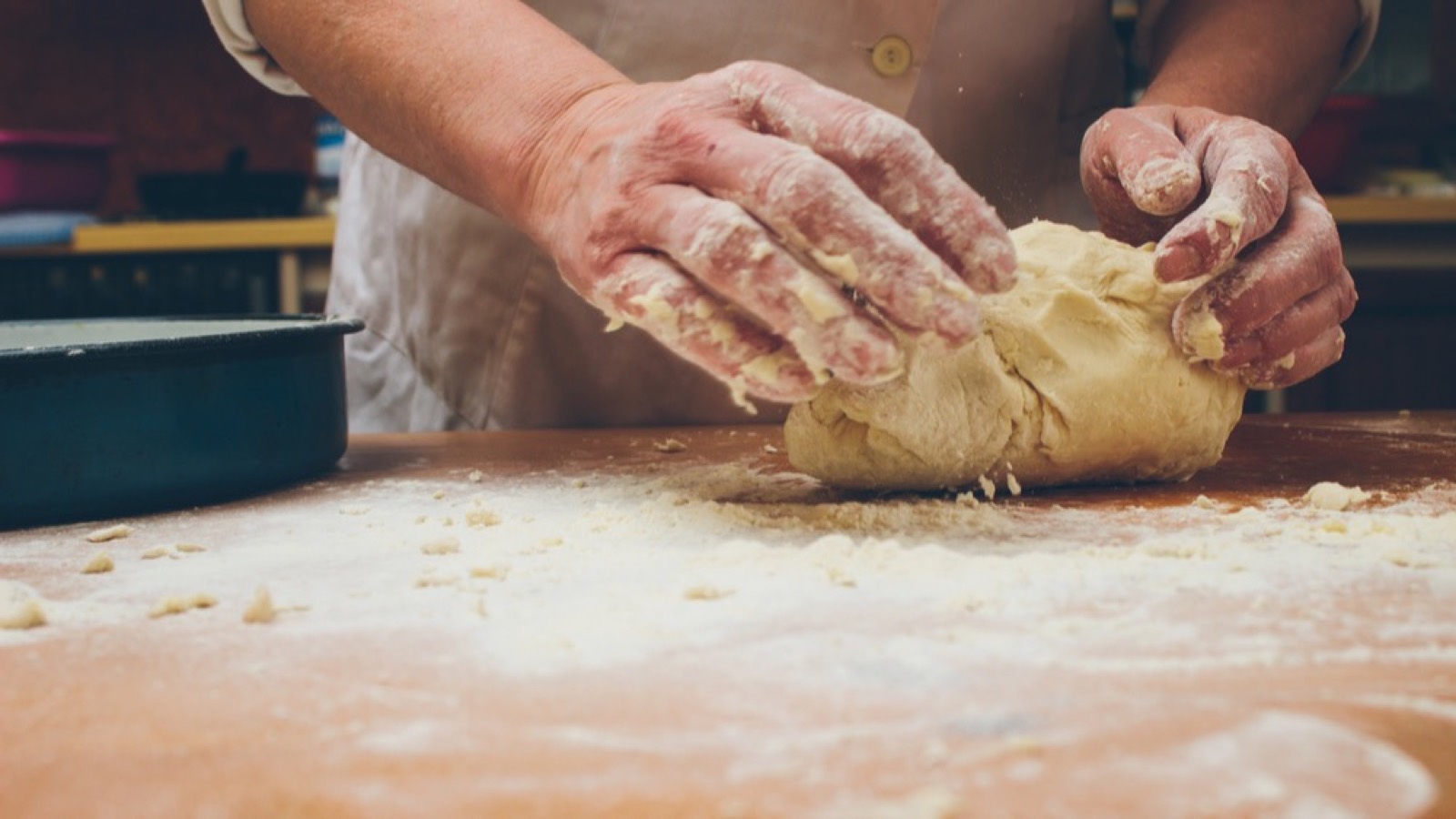
Grandma’s dinner rolls were the first thing to vanish from the table. Soft, buttery and golden, they required mixing, kneading, a first rise, shaping and a second rise before they ever saw the oven. On a cold day, she might put the bowl near the stove or a sunny window to help the dough along.
Many grandmothers made Parker House rolls, the folded style named after the Boston hotel where they became famous in the 1800s, according to the history of the Parker House roll. The smell of rising dough filled the house all morning, and it’s a smell many grandchildren still connect with the holidays.
2. Tamales for Christmas
In many Mexican American families, Christmas means tamales, and tamales mean a full day of work. The masa has to be prepared, the meat slow-cooked and seasoned, the corn husks soaked, and then each tamale spread, filled, folded and steamed. It is a job that can stretch from morning until night.
That’s why so many families turn it into a gathering called a tamalada, with aunts, cousins and grandchildren forming an assembly line around the kitchen table. The tamale itself dates back thousands of years in Mesoamerica. For many families, the conversation and laughter during the work are just as important as the food.
3. Pierogi by the Hundreds
Polish and Ukrainian grandmothers often spent days making pierogi before Christmas Eve. The dough was rolled thin, cut into circles, filled with potato and cheese, sauerkraut or fruit, and then pinched closed one by one. A single batch could mean hundreds of dumplings.
In Polish tradition, pierogi are part of the meatless Christmas Eve supper known as Wigilia. Grandkids were often put to work pinching the edges, and the lopsided ones they made became a family joke that got retold every year.
4. Fruitcake That Started Weeks Early
Fruitcake has become the punchline of holiday jokes, but Grandma’s version was serious business. Candied fruit, raisins and nuts were folded into a dense batter and baked low and slow. Many grandmothers then wrapped the cakes in cheesecloth soaked in brandy or rum and let them age for weeks.
That aging process was the secret, giving the cake time to mellow and soak up flavor. The work started long before December, which is why some families still call it “Grandma’s Thanksgiving project.” People who say they hate fruitcake often change their minds after tasting a real homemade one.
5. Homemade Egg Noodles
In many Midwestern and Pennsylvania Dutch homes, the holiday table wasn’t complete without chicken and homemade noodles, sometimes served right alongside the mashed potatoes. Grandma mixed flour, eggs and a little salt, rolled the dough paper-thin on a floured table and cut it into strips with a sharp knife.
The noodles were often draped over the backs of kitchen chairs or laid on clean dish towels to dry for hours. Then they were simmered in rich chicken broth until thick and comforting. Store-bought noodles are convenient, but anyone who grew up with the homemade kind knows the difference immediately.
6. Divinity Candy
Divinity was one of the trickiest candies a grandmother could make. Sugar, corn syrup and water were cooked to a precise temperature, then poured slowly into whipped egg whites and beaten until the mixture turned glossy and held its shape. It was dropped by spoonfuls onto wax paper, often topped with a pecan half.
The candy was famously temperamental. Many Southern grandmothers wouldn’t even attempt it on a humid or rainy day, because moisture in the air could keep it from setting, a well-known quirk of divinity. When it worked, it melted on the tongue like a sweet cloud.
7. Cut-Out Sugar Cookies
Making cut-out cookies was an all-day family event. The dough had to chill before it could be rolled, then the cookies were cut into stars, trees, bells and angels, baked in batches and left to cool before the decorating began. Frosting, colored sugar and sprinkles covered every surface of the kitchen.
Grandma usually had a set of metal cookie cutters she’d been using for decades, some passed down from her own mother. The finished cookies were packed into tins and handed out to neighbors, and many grandchildren still use those same cutters with their own kids today.
8. The Holiday Nut Roll
Families with roots in Central and Eastern Europe often baked nut rolls for Christmas, known as potica in Slovenian homes and kolache or orechovník in Slovak ones. A rich yeast dough was rolled out until it was nearly see-through, spread with a filling of ground walnuts, sugar and butter, then rolled up and baked.
Grandmothers in places like western Pennsylvania and Ohio were famous for theirs. Rolling the dough thin enough without tearing it took skill and patience, and a good nut roll could take most of a day. Slices were served with coffee on Christmas morning, and families still argue over whose grandmother made the best one.
Why These Recipes Are Worth Keeping Alive
What made these dishes special wasn’t just the taste. It was the time spent together making them, the stories told while the dough rose and the feeling that someone cared enough to spend a whole day cooking for the family. Many of these recipes were never written down, which is why so many have been lost.
If your family has a recipe like this, consider making it with Grandma or writing it down before it disappears. Plenty of old-fashioned foods are already rare on today’s tables. Spending one long day in the kitchen this holiday season might just start a tradition your own grandchildren will remember.