9 Foods People Over 60 Say They Finally Learned to Love
Think back to the foods you refused to eat as a kid. Maybe it was the Brussels sprouts Mom boiled until they turned gray, or the strong cheese Dad loved and you couldn’t stand the smell of. Back then, you swore you’d never eat those things, no matter how many times you were told to clean your plate.
Then something funny happens with age. Somewhere along the way, many people discover that the foods they once hated have become some of their favorites. Ask a group of people over 60, and you’ll hear plenty of stories about foods they finally came around to after decades of turning up their noses.
Some of this comes from simply trying new things, some from better cooking methods and some from the way tastes naturally shift over a lifetime. Here are nine foods that many people over 60 say they finally learned to love, and the stories behind why they changed their minds.
1. Brussels Sprouts
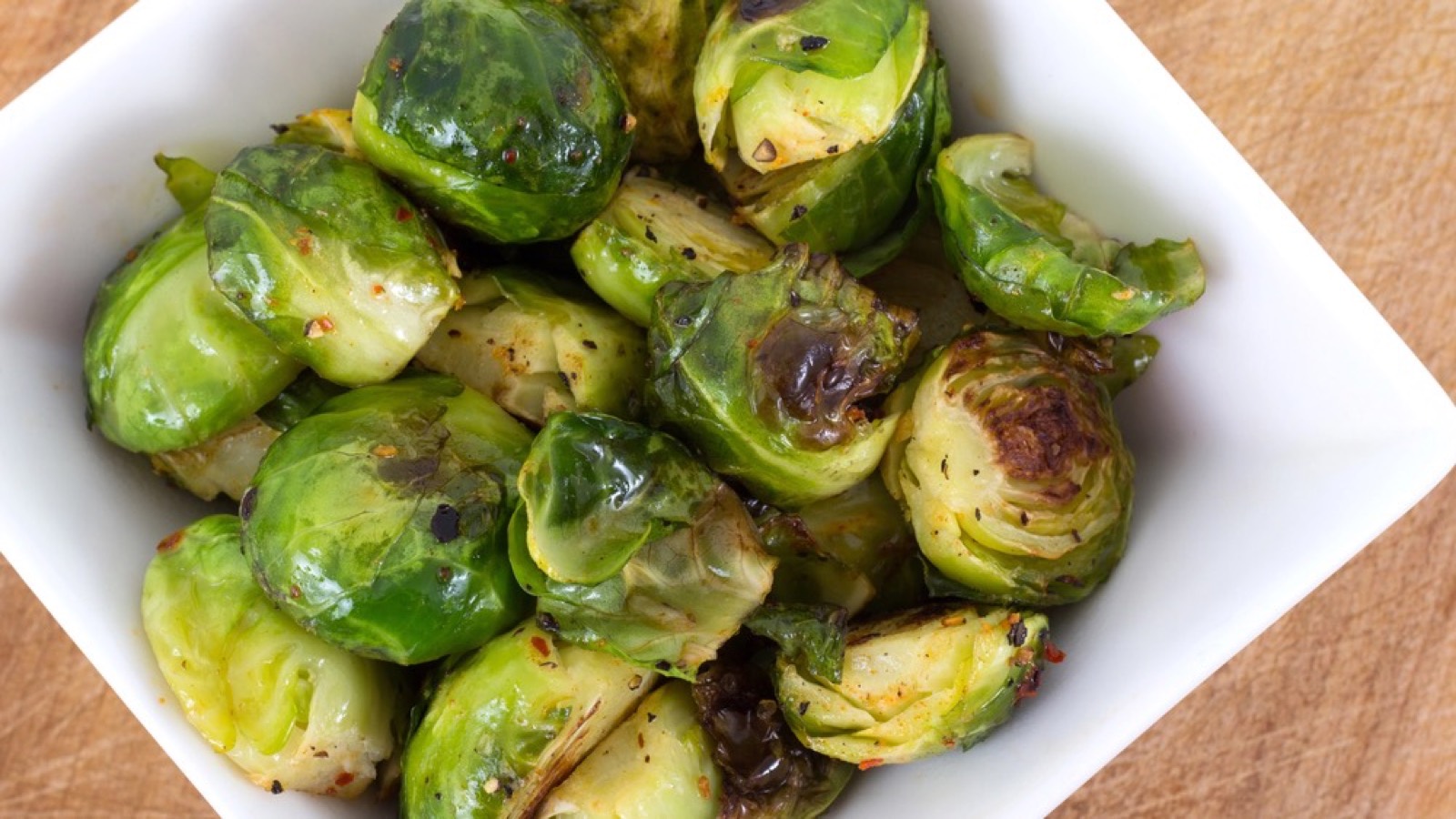
Brussels sprouts may be the most famous childhood enemy of all. Many boomers remember them boiled or steamed into mushy, sulfur-smelling little balls that no amount of butter could save. It’s no wonder so many kids hid them in their napkins.
Today’s Brussels sprouts are different, and there’s a real reason for it. In the 1990s, a Dutch scientist identified the compounds that make the vegetable bitter, and seed companies began breeding milder varieties, according to the history of the Brussels sprout. Add the popular habit of roasting them until crispy and caramelized, and many people who hated them as kids now order them at restaurants.
2. Blue Cheese
The smell alone was enough to send many kids running. Blue cheese, with its sharp, tangy flavor and blue-green veins, seemed like something only grown-ups could possibly enjoy. To a child, it looked more like a science experiment than food.
Many people say they warmed up to it slowly, first in a salad dressing or crumbled on a burger, then on its own with crackers and a slice of pear. By their 60s, plenty of former blue cheese haters say they can’t imagine a cheese board without it.
3. Black Coffee
Most people don’t love coffee the first time they try it. Many boomers remember sneaking a sip from their parents’ cups and being shocked by the bitter taste. When they started drinking coffee as young adults, they often loaded it with cream and sugar.
Over the years, many gradually cut back on the extras and discovered they actually enjoy the flavor of coffee on its own. People who learned to drink it black often say they now appreciate the differences between beans and roasts in a way they never did when it was mostly sugar and milk.
4. Olives
Olives are one of those foods that seem to divide the world. As kids, many people found them too salty, too briny or just too strange. The only olives some boomers ate as children were the black ones they stuck on their fingertips at holiday dinners.
As adults, many discover the huge variety of olives beyond the canned kind, from buttery green Castelvetrano olives to rich, wrinkly oil-cured ones. A relish tray or an antipasto platter that once held no interest suddenly becomes the first stop at a party.
5. Sushi
For many people who grew up in the 1950s and 1960s, the idea of eating raw fish sounded unthinkable. Sushi wasn’t widely available in most of the country until much later, and when it first appeared, many Americans were hesitant to try it.
Plenty of people over 60 say they tried it for the first time with an adventurous friend or grandchild and were surprised by how much they liked it. Many started with cooked rolls, like the California roll, and worked their way up. Now some are the ones introducing their friends to it.
6. Spicy Food
Many boomers grew up in homes where the spice cabinet held salt, pepper, paprika and maybe some cinnamon. Hot sauce was a rare sight in many households, and anything with serious heat was considered exotic.
As Mexican, Thai, Indian and other cuisines became more common across America, many people developed a taste for spicy flavors later in life. Some say they started with a mild salsa and now keep several bottles of hot sauce in the fridge. Others discovered they love a good curry, something they never would have tried as children.
7. Beets
Canned beets, with their bright purple color and earthy flavor, were a common side dish in many homes decades ago. Kids often found them strange, and the way they stained everything on the plate didn’t help their reputation.
Many people later discovered roasted beets, which have a sweeter, richer flavor than the canned version. Beet salads with goat cheese and walnuts became restaurant favorites, and many people over 60 say they finally understand why their grandparents loved pickled beets so much.
8. Oysters
Oysters are a classic “acquired taste.” Their texture and briny flavor can be off-putting the first time, and many kids who watched their parents slurp them down at a seafood restaurant thought it was the strangest thing they’d ever seen.
Yet many adults learn to love them, especially fried oysters or oysters baked with butter and breadcrumbs. Some eventually graduate to raw oysters on the half shell, and they often say it reminds them of a family vacation at the coast or a special anniversary dinner.
9. Anchovies
Anchovies have long been the punchline of pizza jokes, and many kids would pick them off in disgust. Their strong, salty, fishy flavor seemed overwhelming, and few children would knowingly eat one.
Many adults are surprised to learn they’ve been enjoying anchovies all along, since they’re a key ingredient in Caesar salad dressing and Worcestershire sauce. Once they realize how much flavor anchovies add to sauces and dressings, many people start using them in their own cooking.
Why Tastes Change Over Time
There are lots of reasons people come around to foods they once disliked. Sometimes it’s simply repeated exposure, trying a food again and again until it becomes familiar. Other times, it’s discovering a better way to cook it, like roasting vegetables instead of boiling them, or trying a higher-quality version.
Life experience plays a role, too. Travel, meals with friends, grandchildren with adventurous tastes and a growing variety of restaurants all open the door to new flavors. Many people over 60 also simply become more willing to experiment, which is one of the best parts of getting older.
It’s Never Too Late to Try Again
If there’s a food you’ve avoided since childhood, it might be worth giving it another chance. You may be surprised to find that something you hated at 8 becomes a favorite at 68. Some of the best food traditions are the ones we come to appreciate later in life.
And if you still can’t stand Brussels sprouts, that’s okay too. Everyone is allowed a few foods they’ll never learn to love.