5 Mistakes Older Women Make When Trying to Look Younger
There is a difference between discovering a look you genuinely love and buying something because it promises to take years off your appearance. The first can make getting dressed exciting. The second can leave you wondering why an outfit that looked wonderful online does not feel like you.
Women can enjoy short skirts, colorful makeup, long hair, sneakers, or dramatic jewelry at any age. None is automatically a mistake. The real question is whether the choices work together and suit the person wearing them.
These suggestions draw on fashion editors’ and stylists’ advice, not scientific rules about attractiveness. They are simply ways to refine a look while keeping personal taste in charge.
Shopping for a Younger Identity Instead of Your Own Style
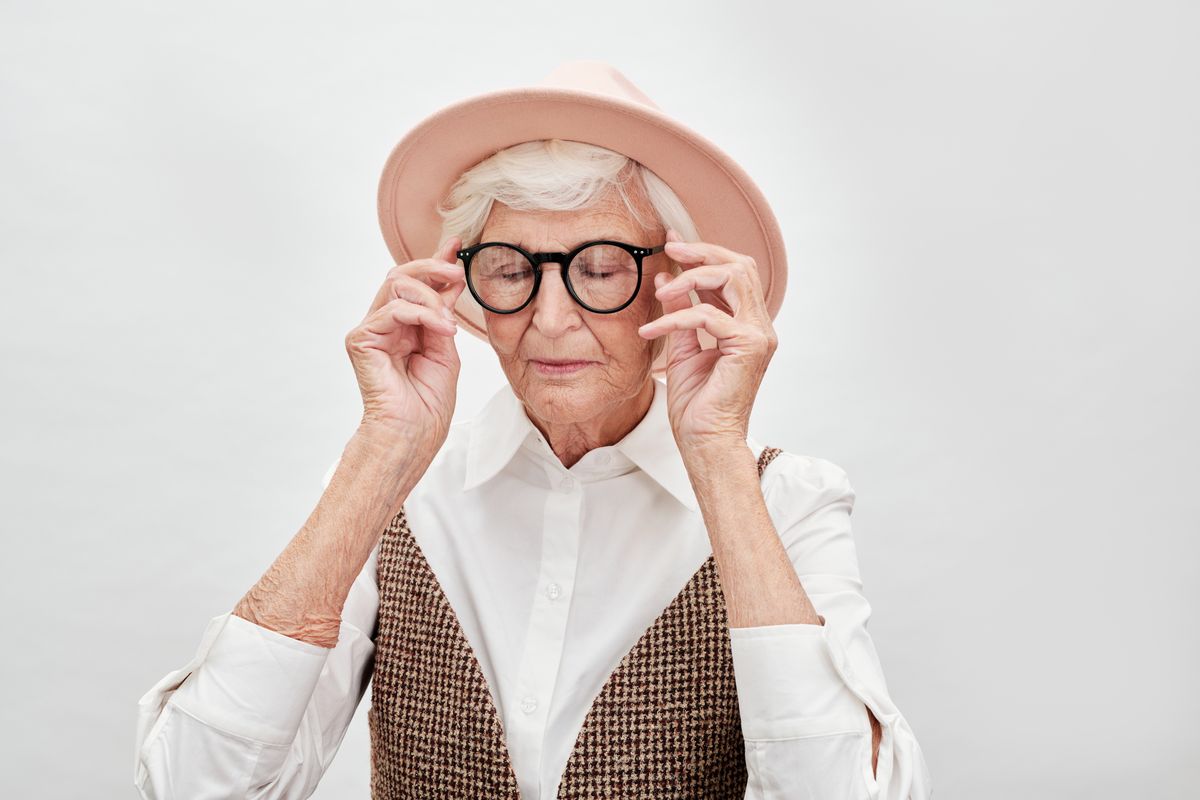
A trend can be fun without becoming a complete wardrobe assignment. The trouble starts when you buy something mainly because younger women are wearing it, even though you dislike the color, shape, or feel.
In Vogue’s guide to finding personal style, fashion contributors encourage experimenting while remaining selective. They recommend asking why certain clothes appeal to you and passing on trends that don’t feel right.
Imagine that you usually love clean lines and simple colors but purchase a heavily embellished outfit because it seems current. There is nothing wrong with embellishment; it simply may not express what you enjoy.
Try translating a trend instead of copying it. A sporty jacket might work with trousers you already own. Keep the detail that interests you and leave the rest. Your wardrobe should reflect your taste, not what is popular among another age group.
Accepting an Awkward Fit Because the Shape Is Trending
A fashionable silhouette is not automatically the right fit straight off the rack. Wide-leg trousers can be wonderful, but a hem you keep stepping on is another matter. An oversized shirt can look intentional, but sleeves that constantly cover your hands may need adjusting.
AARP’s clothing guidance, featuring fashion editor and stylist Lois Joy Johnson, recommends checking trouser lengths with the shoes you intend to wear and considering how oversized pieces work together.
Rather than deciding a garment is “too young,” identify the real issue. Does the jacket pull when you reach forward? Would a different length make the outfit easier to wear?
Try sitting, walking, and reaching in the fitting room. Compare sizes and cuts instead of treating the label as a verdict. Sometimes an alteration helps; sometimes another garment is simpler. A good fit lets you enjoy a design without spending the day adjusting it.
Giving Every Accessory the Leading Role
Statement earrings, a bright bag, and a patterned scarf can each be terrific. Wearing them together can also work, especially if exuberant combinations are your signature.
The potential mistake is adding more because the outfit does not feel sufficiently youthful or exciting. In Who What Wear, stylist Sara Walker suggests choosing a standout piece and allowing simpler elements to support it.
For an unfamiliar combination, start with the accessory you are most enthusiastic about: perhaps a sculptural necklace with an open-neck shirt or colorful earrings with a plain sweater. Then decide whether another detail adds something you genuinely like.
This is not a rule requiring you to remove jewelry. It is an experiment in emphasis. If you prefer the fuller combination, wear it. Choose each detail because it belongs in your look, not because you feel obliged to add “modernizing” extras.
Choosing a Haircut Based on Someone Else’s Age
A haircut does not come with an age limit. Nor does choosing the same style as a younger celebrity guarantee it will suit your preferences, hair texture, or routine.
Vogue’s hairstyling coverage rejects the idea that women over 50 must follow a prescribed hair length. Its expert guidance emphasizes personal preference, texture, and lifestyle.
Bring reference pictures to your appointment, and explain what attracts you: the fringe, outline, movement, or how the hair frames your face. Then describe how much styling you realistically want to do.
If your mornings allow five minutes, ask what the cut will look like with five minutes of effort, not only after a salon blowout. Long, short, curly, straight, gray, or colored hair can all be deliberate choices. The mismatch to avoid is between the routine you imagine and the one you actually want.
Applying More Makeup When You Want a Fresher Finish
Bright lipstick or dramatic eye makeup is not automatically too much. Color and coverage are separate decisions. You can enjoy a vivid lip without feeling compelled to apply thick foundation underneath it.
Makeup artists interviewed by Vogue recommend light, buildable application for a natural-looking base. Their suggestions include thinning product with a damp sponge and adding coverage selectively, rather than applying a heavy layer everywhere.
If your finished makeup looks heavier than you intended, experiment with the amount before buying a new collection. Begin with a small quantity, blend, and assess where you actually want more coverage.
Keep the feature you enjoy emphasizing. A defined eye, red lipstick, or luminous cheek can remain part of your signature. “Natural” should describe your preferred finish, not become another rule telling you to disappear.
Style Does Not Need an Age Disguise
No one wins for looking as though you borrowed another generation’s wardrobe. Equally, there is no obligation to retreat into supposedly age-appropriate basics. Trends can be playful, classic pieces can be beautiful, and personal style can change over time.
Notice how an outfit feels and functions. Can you move comfortably? Does the hairstyle fit your routine? Do the accessories express your taste? Those questions are more practical than asking whether a look makes you appear younger.
Fashion advice is most helpful when it gives you options rather than orders. Keep what works, adjust what doesn’t, and ignore rules that don’t reflect your personality. You do not have to dress younger to look current.
Key Takeaways
Treat trends as options, not instructions; check fit and proportions instead of rejecting a style because of age. Let accessories, hair, and makeup reflect your preferences.
Choose routines you enjoy and can realistically maintain. Use expert advice as a starting point, not permission to wear what you love.