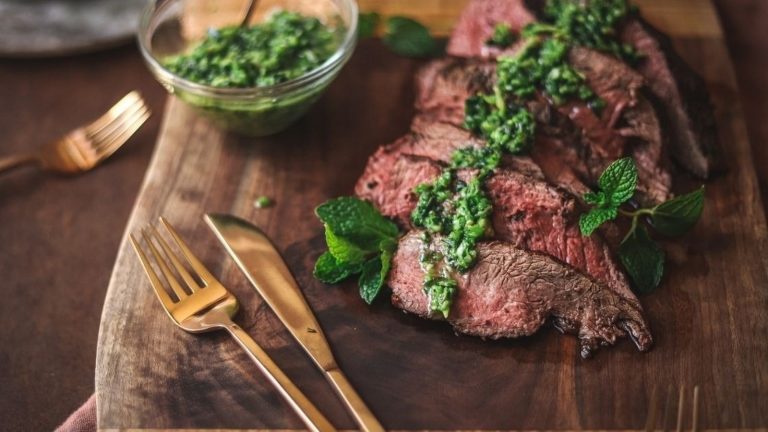
What Happened to Ponderosa and Bonanza Steakhouses?
For millions of American families in the 1970s and 1980s, a trip to Ponderosa or Bonanza was a big night out. You walked through a line, ordered your steak at the counter, grabbed a tray and headed for the salad bar. Kids loved the rolls and the soft-serve, and parents loved that a family of five could eat steak without breaking the bank.
At their peak, the two chains were everywhere, especially in the Midwest, the Northeast and along major highways. Today, most people under 40 have never been to one, and many older Americans are surprised to learn that a few locations are still open. So what happened to the steakhouses that once seemed to be in every town? The story involves the rise of buffets, a long string of owners, the arrival of newer casual-dining chains and a slow decline that left only a handful of restaurants standing.
How Bonanza and Ponderosa Began
Bonanza came first. The chain was founded in 1963 in Connecticut and took its name from the hit TV western “Bonanza.” Actor Dan Blocker, who played Hoss Cartwright on the show, was among the people connected to the restaurant’s early days, and the Western theme matched the show’s popularity.
Ponderosa followed in 1965, when it opened in Kokomo, Indiana. Its name also borrowed from the “Bonanza” world, since the Ponderosa was the name of the Cartwright family’s ranch. Both chains offered the same basic idea: a simple steak dinner at a low price, served cafeteria-style to keep costs down.
The Glory Years
The 1970s and 1980s were the golden age for both chains. Ponderosa grew fast through franchising, and by 1989 there were nearly 700 Ponderosa restaurants, according to the chain’s history. Bonanza also had hundreds of locations across the country.
For working families, these restaurants were a treat. A steak dinner with a baked potato and Texas toast felt special, and the prices were low enough for a weekly outing. Many people remember birthday dinners, after-church meals and post-Little League celebrations at the local Ponderosa or Bonanza.
The Famous Salad Bar and Buffet
As the years went on, both chains leaned heavily into their buffets. The “Grand Buffet” became a major selling point, with hot dishes, salads, desserts and a soft-serve machine that kids made a beeline for.
The buffet helped the chains compete for a while, but it also changed their image. Over time, they became known more as budget buffets than as steakhouses, which made it harder to compete with chains that offered table service and a more modern atmosphere.
A Long Line of Owners
One reason the chains struggled was a long series of ownership changes. Over the decades, Ponderosa and Bonanza were bought, sold and merged several times by different restaurant companies and investors. Each new owner brought new plans, but the constant change made it hard to keep the restaurants updated and consistent.
In 2017, FAT Brands, the company behind Fatburger and Johnny Rockets, bought the parent company of Ponderosa and Bonanza, Homestyle Dining, for about $10.5 million, according to Food Business News. By then, the chains were already a shadow of what they once were. FAT Brands later went through its own financial troubles and filed for bankruptcy protection in early 2026.
New Competition Took Over
The biggest reason for the decline was competition. In the 1980s and 1990s, casual-dining chains like Outback Steakhouse, Texas Roadhouse, LongHorn Steakhouse and Applebee’s spread across the country. They offered table service, full bars, modern dining rooms and steaks that felt more upscale.
At the same time, buffet chains like Golden Corral grew bigger and offered more variety at similar prices. Ponderosa and Bonanza were squeezed in the middle: not as fancy as the casual-dining chains and not as big as the mega-buffets. Many diners simply moved on.
Old Buildings and Changing Tastes
Many Ponderosa and Bonanza restaurants were in older buildings that needed costly updates. As neighborhoods changed and highways were rerouted, some locations lost the traffic that had kept them busy.
Tastes changed too. Diners wanted fresher food, more variety and a better atmosphere. The cafeteria-style ordering line that once felt efficient started to feel dated. Without major investment, it was hard for the chains to keep up.
How Many Are Left?
Today, only a small number of Ponderosa and Bonanza restaurants remain in the United States. Reports in recent years have counted roughly a dozen or so U.S. locations, mostly in the Midwest and Northeast, with a few more overseas. The chains still run promotions, including a sirloin tips lineup earlier in 2026, but they’re far from the giants they once were.
For people who grew up going to them, finding a surviving Ponderosa or Bonanza can feel like stepping back in time. Some fans make special trips to eat at one of the last locations, much like people line up to eat at other disappearing restaurants before they close for good.
What Was on the Menu
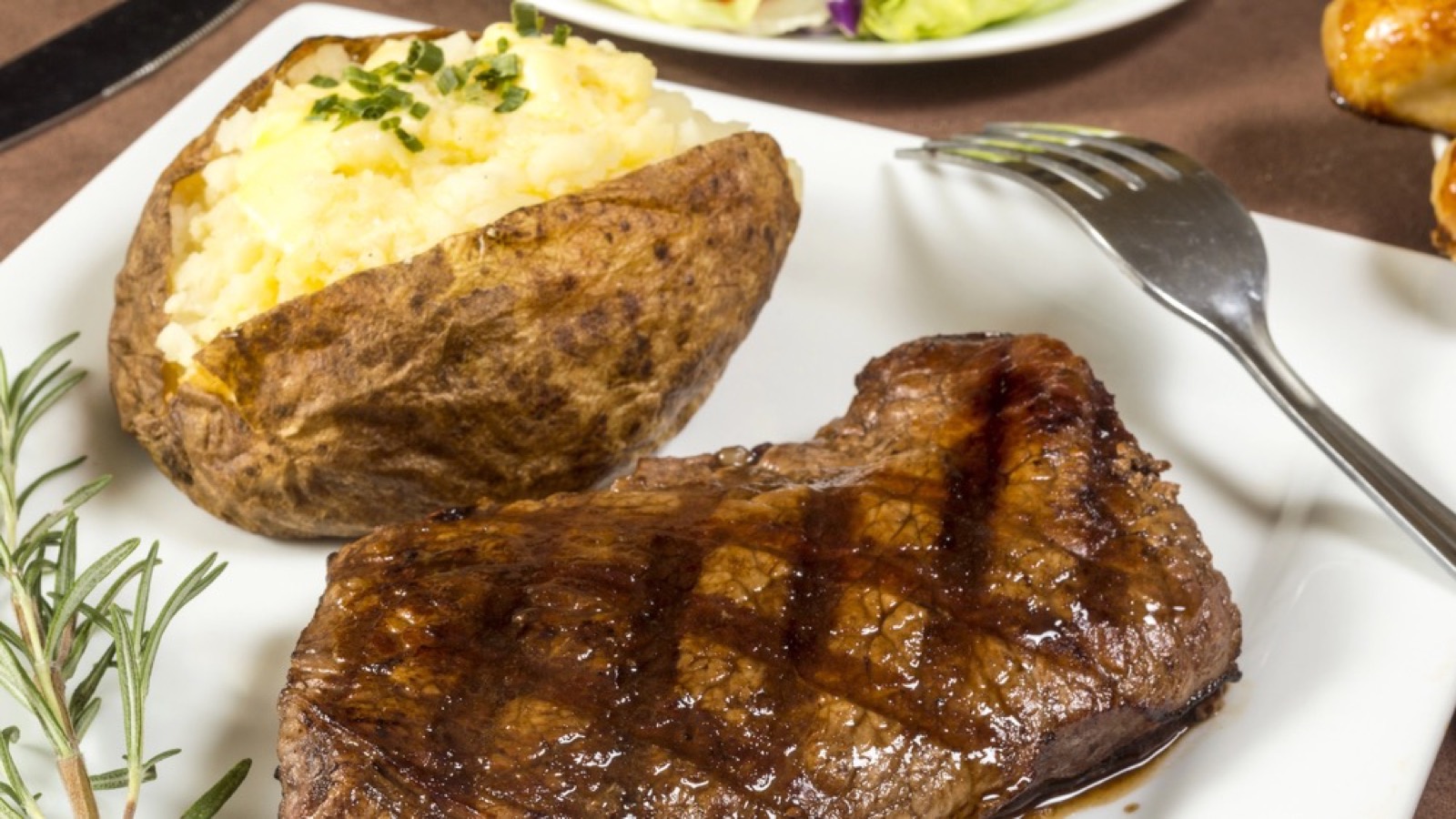
Part of what made these chains special was the simple menu. Diners could choose a ribeye, a sirloin, a chopped steak or a fish platter, usually with a baked potato and a thick slice of Texas toast. The steaks were cooked on a grill behind the counter, and customers could watch them sizzle while they waited in line.
Prices were the big draw. In the 1970s, a steak dinner at Ponderosa or Bonanza often cost just a few dollars, which made it possible for working families to treat everyone. Kids’ meals and senior specials made the deal even better. For many families, it was the only steak they ate all month.
Where the Remaining Restaurants Are
The surviving locations are scattered, with several in states like Ohio, Indiana, Pennsylvania and New York, where the chains were once strongest. Fans sometimes share lists online and plan road trips around them. Some of the remaining restaurants still look much as they did decades ago, with wood paneling and Western-themed decor.
Why People Still Remember Them
Ponderosa and Bonanza represent a certain era of American family life. They were affordable, unpretentious places where families could sit down together for a steak dinner. For many kids, it was their first taste of eating out at a “real” restaurant.
The chains may be nearly gone, but the memories of tray lines, giant salad bars and soft-serve cones are still strong. For a generation of Americans, few restaurant names bring back the 1970s and 1980s quite like Ponderosa and Bonanza.