8 Midwest Dinner Table Habits That Confuse Southerners
The Midwest and the South both take pride in hearty home cooking, big family dinners and warm hospitality. But sit a Southerner down at a Midwestern dinner table and they may notice a few things that leave them puzzled. Some habits seem a little odd, others seem downright wrong, and a few start friendly debates that last all night.
Midwesterners, of course, think their way is perfectly normal. They grew up with church potlucks, casseroles, Jell-O salads and polite small talk. Southerners grew up with sweet tea, biscuits, fried chicken and long front-porch conversations. Both sides love their traditions, and both sides are happy to tease the other. Here are eight Midwest dinner table habits that tend to confuse Southerners.
1. Calling Dinner “Supper” and Lunch “Dinner”
In many rural Midwestern homes, especially among older generations, the midday meal is “dinner” and the evening meal is “supper.” This comes from farm life, when the biggest meal of the day was served at noon to fuel workers in the fields.
Some Southerners use the same terms, especially in rural areas, but many don’t. A Southerner invited to “Sunday dinner” at noon in Iowa may show up at 6 p.m. and find the dishes already washed. It’s a classic mix-up that leads to plenty of laughs.
2. Jell-O Salad as a Side Dish
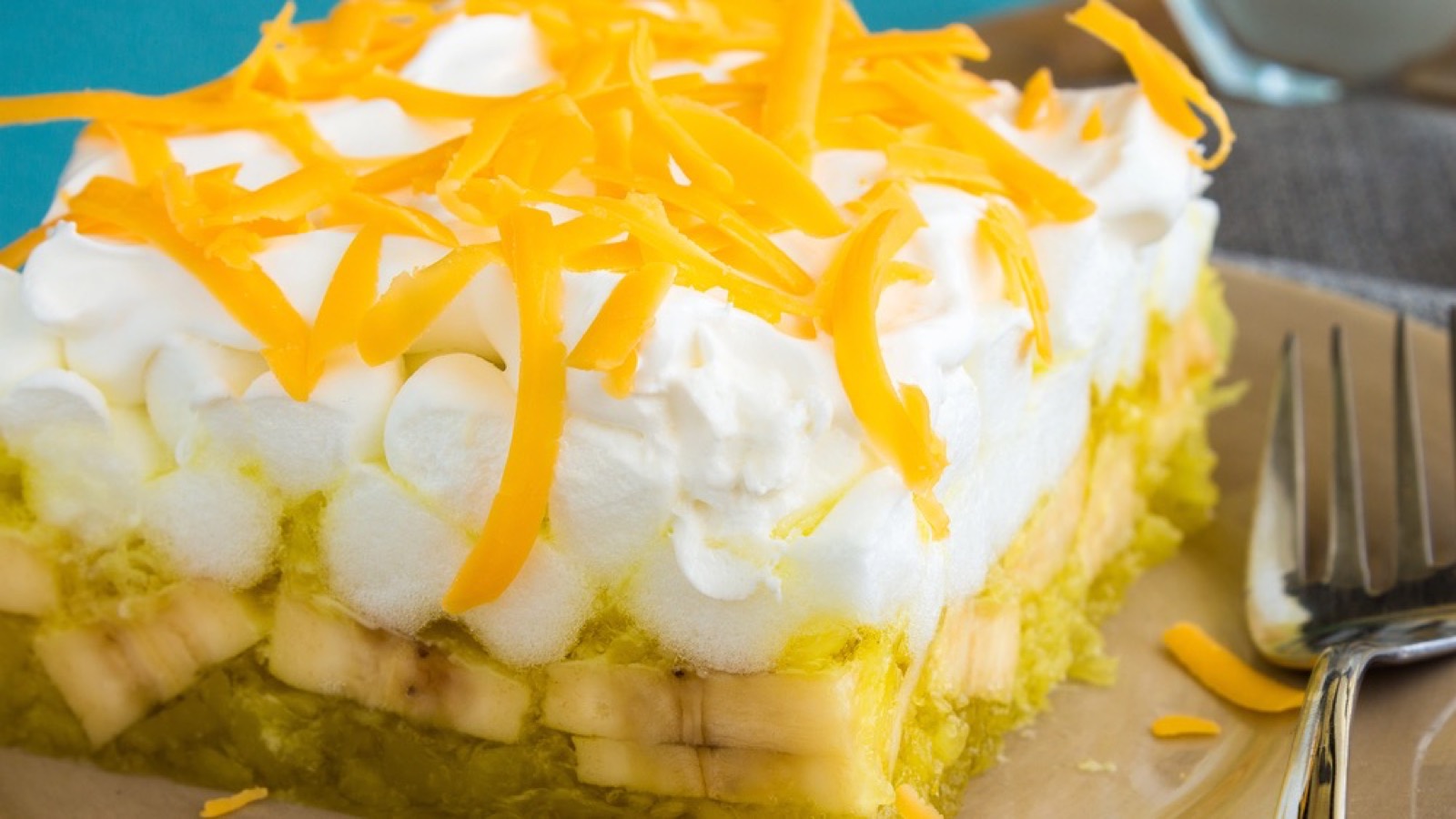
In the Midwest, a “salad” doesn’t always involve lettuce. Jell-O salads with fruit, marshmallows, whipped topping or even pretzels show up at holiday dinners and potlucks. Some are sweet enough to be dessert, but they’re served right next to the turkey.
Southerners have their own sweet sides, like sweet potato casserole with marshmallows, so they aren’t strangers to sugar at dinner. But the variety of Midwestern Jell-O creations, including some with cottage cheese or vegetables, can be a surprise.
3. Hotdish Instead of Casserole
In Minnesota and parts of the upper Midwest, the word “hotdish” is used for what most people call a casserole. The most famous version, tater tot hotdish, combines ground beef, canned soup, vegetables and a crispy layer of tater tots.
Southerners love casseroles too, but they rarely call them hotdish, and the tater tot topping can seem unusual to them. Still, once they taste it, many agree it’s pure comfort food. Some of the casseroles that defined American dinners came straight out of Midwestern church kitchens.
4. Unsweetened Iced Tea
Order iced tea in Ohio, Indiana or Wisconsin, and it often arrives unsweetened. For Southerners raised on sweet tea, this can be shocking. Many say stirring sugar into cold tea just isn’t the same.
Midwesterners are often equally surprised by how sweet Southern sweet tea is. This difference comes up so often that some Midwestern restaurants now offer sweet tea for visitors, and some Southern restaurants offer unsweet for travelers from the North.
5. Serving Ranch Dressing With Everything
In much of the Midwest, ranch dressing goes on almost everything: pizza, fries, wings, vegetables and even potato chips. Some families keep a bottle on the dinner table at every meal.
Southerners use ranch too, but many are surprised to see it served with pizza. In the South, hot sauce, pepper vinegar or a side of gravy might be more common table companions. The Midwest’s love of ranch is a frequent source of good-natured teasing.
6. The “Midwest Goodbye”
Dinner in the Midwest often ends with a long, drawn-out goodbye. Guests say they need to leave, then keep talking at the table, then in the kitchen, then by the door, then on the porch and finally at the car. The whole process can take an hour.
Southerners are known for long conversations too, but the Midwest goodbye has a reputation all its own. Some Southern visitors say they didn’t realize leaving would take so long. Others say it feels just like home.
7. Dinner at 5 P.M. Sharp
Many Midwestern families, especially in rural areas and small towns, eat dinner early, often around 5 or 5:30 p.m. That schedule comes from farm life and factory shifts, when workers came home early and went to bed early.
In the South, especially in cities, dinner can be a bit later, and Sunday dinners might stretch through the afternoon. A Southerner arriving at 6:30 for a Midwest dinner may find the meal already over. Midwesterners say an early dinner leaves more of the evening for family time.
8. Mild Seasoning
Midwestern cooking is sometimes teased for being mild. Many traditional Midwestern dishes rely on salt, pepper, butter and cream rather than strong spices. Even chili and sausage may be seasoned more gently than in other regions.
Southerners, who often use hot sauce, Cajun spices and bold seasonings, sometimes find Midwestern food too plain. Midwesterners, in turn, find some Southern food too spicy. It’s one of the most common regional food debates in the country.
Two Regions, Lots in Common
Despite the teasing, the Midwest and South share a lot of food traditions. Both love fried chicken, pies, casseroles, potlucks and church suppers. Both value family dinners and making guests feel welcome.
The differences come from history, immigration and climate. German, Scandinavian and Eastern European immigrants shaped Midwestern food, while African, Native American and European traditions shaped Southern cooking. Those influences created two distinct, beloved styles.
Potluck Culture
Midwesterners take potlucks seriously. Church basements, family reunions and neighborhood gatherings all feature long tables of casseroles, salads, bars and desserts, each brought by a different family. Bringing a dish is expected, and many families have a “signature” potluck dish they’re known for.
Southerners love potlucks too, especially church dinners on the grounds. But visitors often notice that Midwestern potlucks have their own unwritten rules, like bringing a dish in a labeled pan so it gets returned.
Many families who move from one region to the other say their kids grow up with a mix of both traditions. A Southern grandmother’s biscuits and a Midwestern grandmother’s hotdish can end up side by side on the same holiday table.
A Friendly Debate at the Table
When Southerners and Midwesterners sit down to eat together, these differences often lead to fun conversations. They compare recipes, debate sweet versus unsweet tea and argue about whether Jell-O counts as salad. Families with roots in both regions often blend traditions at holiday tables.
And that’s part of what makes American food so interesting. From one region to the next, families have created their own traditions, and many of those quirky regional delicacies are still a source of pride. Whether it’s hotdish or biscuits and gravy, every region thinks its comfort food is best.