8 Ways Boomer Women Changed Family Dinner When They Went Back to Work
When baby boomer women entered the workforce in huge numbers in the 1970s and 1980s, American family life changed in countless ways. One of the biggest changes happened at the dinner table. Women who had grown up watching their mothers spend all afternoon cooking suddenly had to get dinner on the table after a full day at work.
The share of married mothers working outside the home rose sharply during those decades. According to federal labor statistics, mothers’ participation in the workforce has grown dramatically since the 1970s, and boomer women were at the heart of that shift. They had to find new ways to feed their families, and their solutions reshaped American cooking. Some changes were practical, some were creative and some were met with raised eyebrows from their own mothers. Here are eight ways boomer women changed family dinner when they went back to work.
1. They Embraced the Slow Cooker
The Crock-Pot became a sensation in the 1970s, and working mothers were among its biggest fans. They could put a roast, stew or chili in the pot before leaving for work and come home to a hot dinner.
For many boomer women, the slow cooker was a lifesaver. It let them serve a home-cooked meal without spending hours in the kitchen after work. Slow cooker cookbooks became bestsellers, and the appliance became a staple in kitchens across the country.
2. Convenience Foods Became Weeknight Staples
Boomer mothers made good use of the convenience foods that filled grocery stores in the 1970s and 1980s. Hamburger Helper, boxed macaroni and cheese, frozen vegetables, canned soups and instant rice helped them get dinner ready fast.
Some of their own mothers looked down on these shortcuts, but boomer women saw them as smart time-savers. A box of Hamburger Helper and a pound of ground beef could feed a family in 30 minutes. Many people who grew up in that era still have a soft spot for these meals.
3. The Microwave Changed Everything
Microwave ovens became common in American homes during the late 1970s and 1980s. Boomer women used them to defrost meat, reheat leftovers and cook quick side dishes. Frozen microwave dinners became popular for busy nights.
The microwave allowed families to eat at different times when schedules didn’t line up. A plate of leftovers could be heated in minutes for a spouse working late or a teenager coming home from practice. It changed the rhythm of family dinner forever.
4. Casseroles Took Center Stage
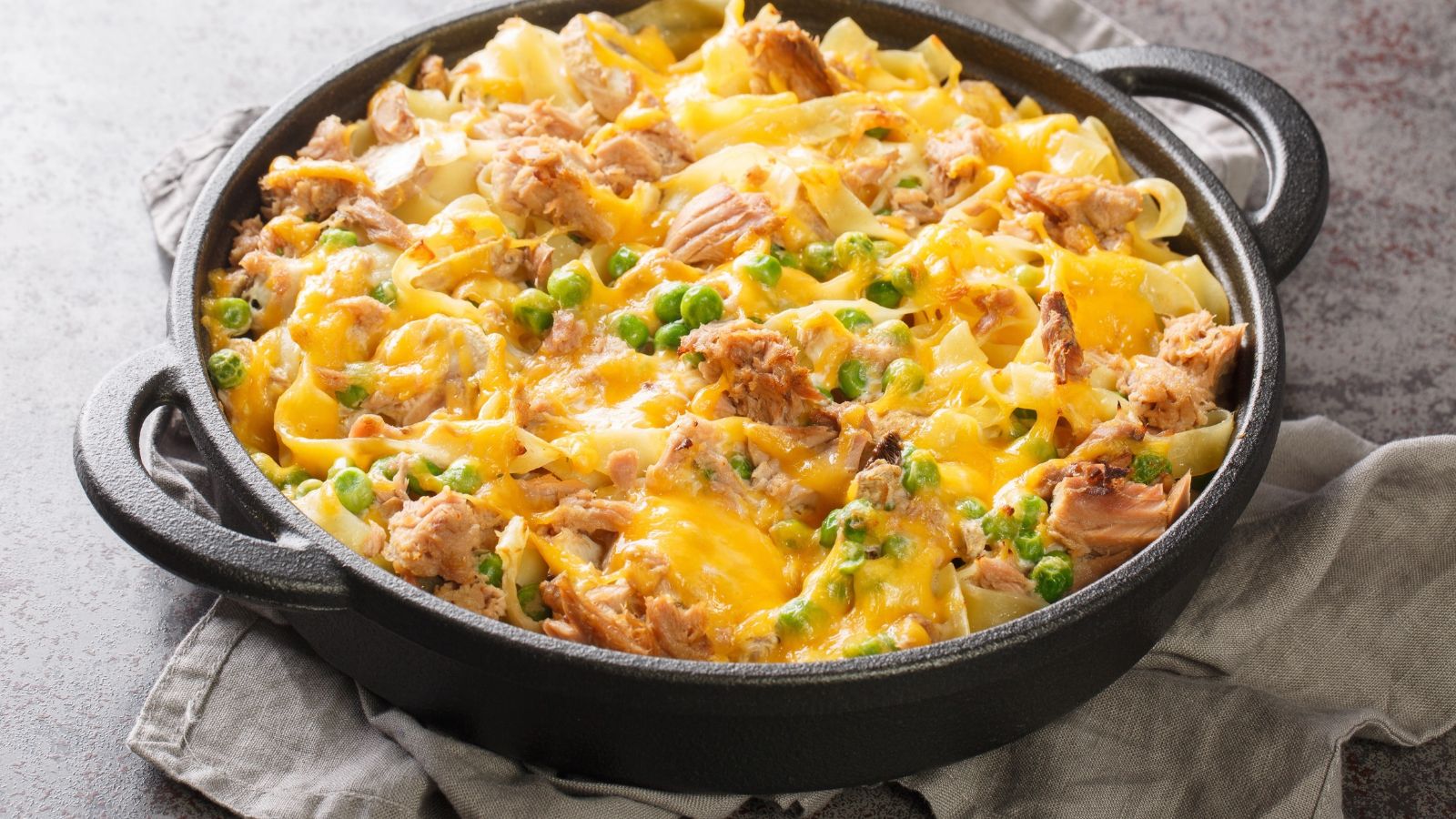
Casseroles were nothing new, but working boomer mothers made them a weeknight essential. They could be assembled the night before or on the weekend, then baked when Mom got home. Leftovers could be eaten for lunch the next day.
Tuna noodle casserole, chicken and rice casserole, and tater tot hotdish became family favorites. Many boomer women had a rotation of casseroles they could make without even looking at a recipe. Many of those casseroles are still family favorites today.
5. Weekend Cooking for the Week Ahead
Long before “meal prep” became a trend, many boomer women spent Sunday afternoons cooking for the week. They made big pots of soup, browned ground beef, baked chicken and prepared casseroles to freeze.
This planning helped them get through busy weeknights. Many of their daughters now follow the same approach, though with modern containers and online recipes. Boomer mothers were meal-prepping before anyone called it that.
6. Dads Started Pitching In
As boomer women went to work, many husbands began helping more in the kitchen. Some took over grilling, breakfast on weekends or a regular weeknight dinner. Others helped with dishes or cleanup.
It wasn’t equal in most homes, and many women still did most of the cooking. But it was a big change from the previous generation, when many fathers rarely set foot in the kitchen. Boomer families helped make shared kitchen duties more normal for the next generation.
7. Takeout and Pizza Nights Became Regular
For many boomer families, Friday night became pizza night or takeout night. Fast food, pizza delivery and Chinese takeout gave working mothers a well-deserved break at the end of the week.
Pizza chains grew rapidly during this era, and delivery became a regular part of family life. Many people who grew up in the 1980s remember the excitement of pizza night as a weekly tradition. It was a far cry from their grandmothers, who rarely ate anything they hadn’t cooked themselves.
8. Kids Learned to Help or Cook
With both parents working, many boomer mothers taught their children to help with dinner. Kids learned to set the table, wash vegetables, start the rice or brown the hamburger before Mom got home. Some older kids cooked simple meals on their own.
Many Gen X adults remember being “latchkey kids” who came home to an empty house and followed Mom’s instructions on a note taped to the fridge. Those early responsibilities taught them valuable skills, and many say they learned to cook out of necessity.
A Lasting Legacy
The changes boomer women made to family dinner shaped how Americans eat today. Slow cookers, convenience foods, meal prep, takeout nights and shared kitchen duties are all part of modern family life. Boomer women helped prove that a family could still eat together, even when both parents worked.
At the same time, many boomer women say they felt pressure to do it all: work full-time, cook dinner and keep the house running. Their experience helped spark conversations about balance and sharing responsibilities that continue today.
Dinner Got More Flexible
Above all, boomer women made family dinner more flexible. If dinner had to be at 7 instead of 6, or if it came from a box instead of from scratch, that was fine. The goal was getting everyone fed and together, not meeting the rigid standards of the previous generation.
Many boomer women also say they learned to forgive themselves for not being perfect. A dinner from a box or a night of takeout wasn’t a failure. It was simply what working families did, and their children grew up just fine.
What Their Daughters Learned
Many daughters of boomer women say they learned from their mothers’ example. They saw how hard their mothers worked and how creative they were in getting dinner on the table. Some have adopted their mothers’ shortcuts, while others have found new ones.
Above all, many say their mothers taught them that family dinner doesn’t have to be perfect to be meaningful. Whether it was a slow cooker roast, a Hamburger Helper skillet or a pizza on Friday night, what mattered was sitting down together. The Sunday family dinner may have faded for some, but the spirit of family meals lives on.