People Who Still Use a Landline Have These 6 Traits
The home phone used to hang on the kitchen wall in nearly every American house. Today, the people who still keep one are in the minority, and they usually have a reason for holding on.
Landline loyalists tend to value reliability, prefer real conversations and keep their devices in their place. Of course, nobody fits a profile perfectly, but these six traits come up again and again.
1. They Are Part of a Shrinking Club, and They Know It
Keeping a landline is now a choice, not a default. According to the National Health Interview Survey’s wireless substitution estimates from the CDC’s National Center for Health Statistics, 78.7% of U.S. adults lived in wireless-only households in the second half of 2024.
That leaves only about one in five adults living in a home that still had a landline, and most of those homes had cell phones too. People who keep the home line are comfortable going against the grain, the same way many hold onto the Boomer habits that are quietly making a comeback.
2. They Like to Be Prepared
Many landline households say they keep the line as a backup, and they tend to be the kind of people who also keep flashlights, batteries and a paper map in the car. They think about what could go wrong before it does, and they would rather spend a little each month than be caught without a way to call for help or check on family.
There is some logic to it. The Federal Communications Commission notes that traditional line-powered landline service over copper wires typically keeps working during power outages, while cordless phones need their own power and will not. Newer fiber or cable phone service may need a backup battery, so planners check what kind of line they actually have.
3. They Prefer a Real Conversation Over a Text
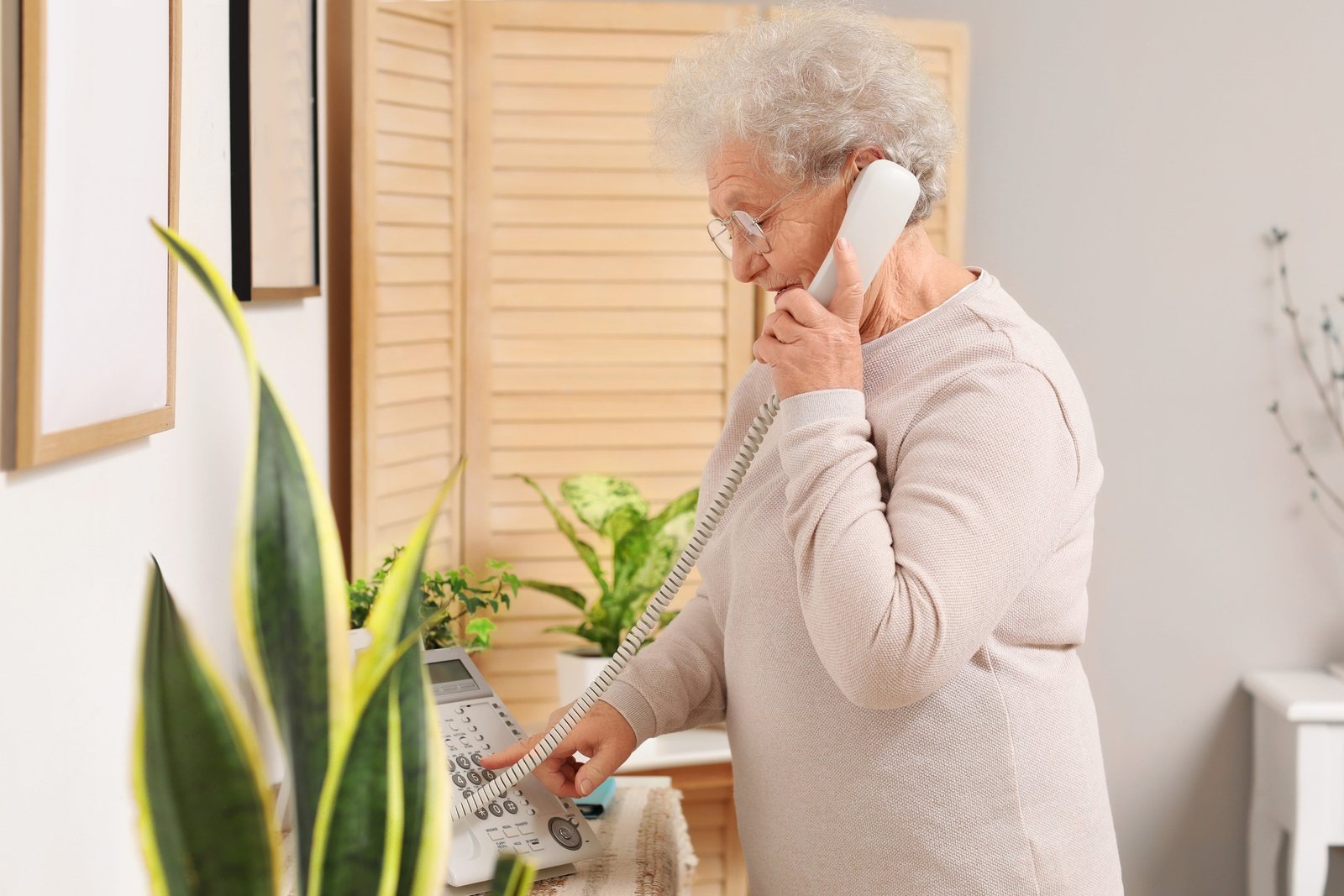
People who answer a ringing home phone are usually people who enjoy talking. They would rather hear a voice than decode an emoji, and they tend to call to say happy birthday instead of posting it. A corded handset also makes a long chat feel like an event, something you sit down for with a cup of coffee, the way people did when the home phone was one of the nostalgic items everyone had 30 years ago.
This often comes with old-school phone manners, such as saying who is calling and not putting someone on speaker without warning, the kind of etiquette covered in these phone habits older Americans consider rude.
4. They Keep Their Devices in Their Place
A landline stays where it is. For many people, that is the point: the phone lives in the kitchen or the den, not in a pocket at the dinner table.
Landline fans often describe having clearer boundaries with technology. When the home phone rings during supper, they may simply let the answering machine get it. They check the cell phone when they choose, not every time it buzzes, and they seem to enjoy the quiet more than most. It fits with the simple ways people protect their work-life balance, even in retirement.
5. They Are Loyal and Consistent
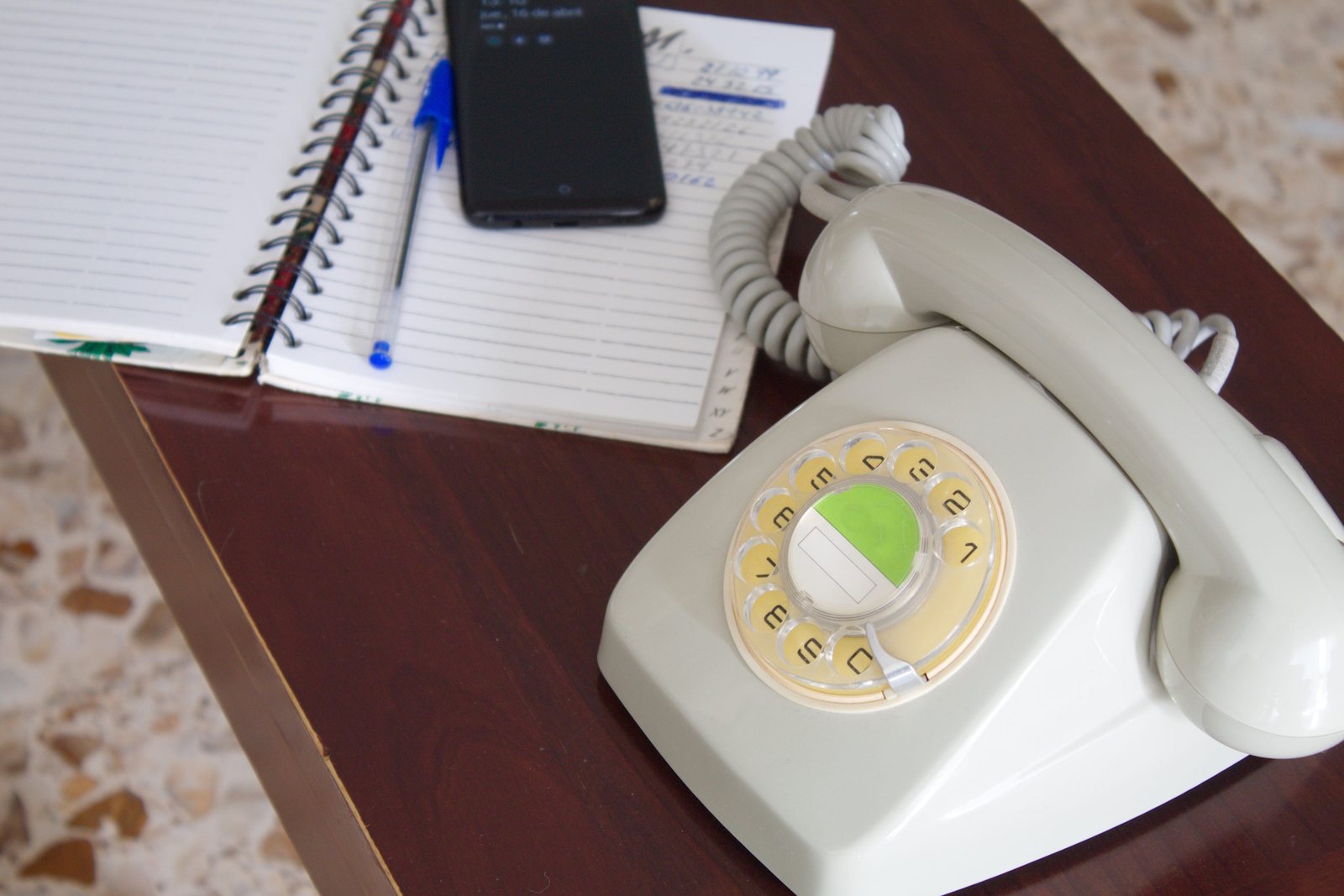
Some people have had the same home phone number for 30 or 40 years, sometimes the same number their own parents had. Friends, doctors’ offices and old neighbors all have it written down, and giving it up would feel like moving away.
That loyalty usually shows up elsewhere, too. These are often the same people who keep the same barber, the same church pew and the same Christmas card list for decades, much like the folks described in the traits of people who still send Christmas cards.
6. They Still Keep an Address Book
Ask a landline household for a phone number and they may reach for a small book by the phone instead of scrolling a contact list. Many still remember a dozen numbers by heart, including the ones for siblings, the pharmacy and the pizza place down the road.
That paper backup is another form of preparedness. If a cell phone dies, breaks or gets lost, the numbers that matter most are still sitting right there on the table. Some keep the book updated in pencil so a move or a new number never means starting over.
None of these traits make landline users better or worse than anyone else. They simply suggest people who like things that work, conversations that feel personal and a phone that does not follow them everywhere. And if the power goes out during the next winter storm, they may be the first ones on the block calling to check on the neighbors.