Houston Families Are Paying 30% More for Essentials: Here’s the Breakdown.
The squeeze on Houston families is no longer hiding in one painful bill. It is sitting in the grocery cart, the gas tank, the rent payment, the electric bill, the childcare invoice, and the small everyday purchases that used to feel harmless.
For many households across Houston, Katy, Pearland, Pasadena, Humble, Sugar Land, and The Woodlands, the problem is not one dramatic expense. It is the pileup. A few more dollars at H-E-B, a higher insurance payment, a bigger light bill after another brutal heat wave, and a gas receipt that makes a normal commute feel expensive all add up fast.
That is why a 30% jump in essentials feels believable to so many families. The official inflation rate may look calmer than it did during the worst months of the price surge, but the family budget is still dealing with the damage left behind.
The grocery cart is still heavier.
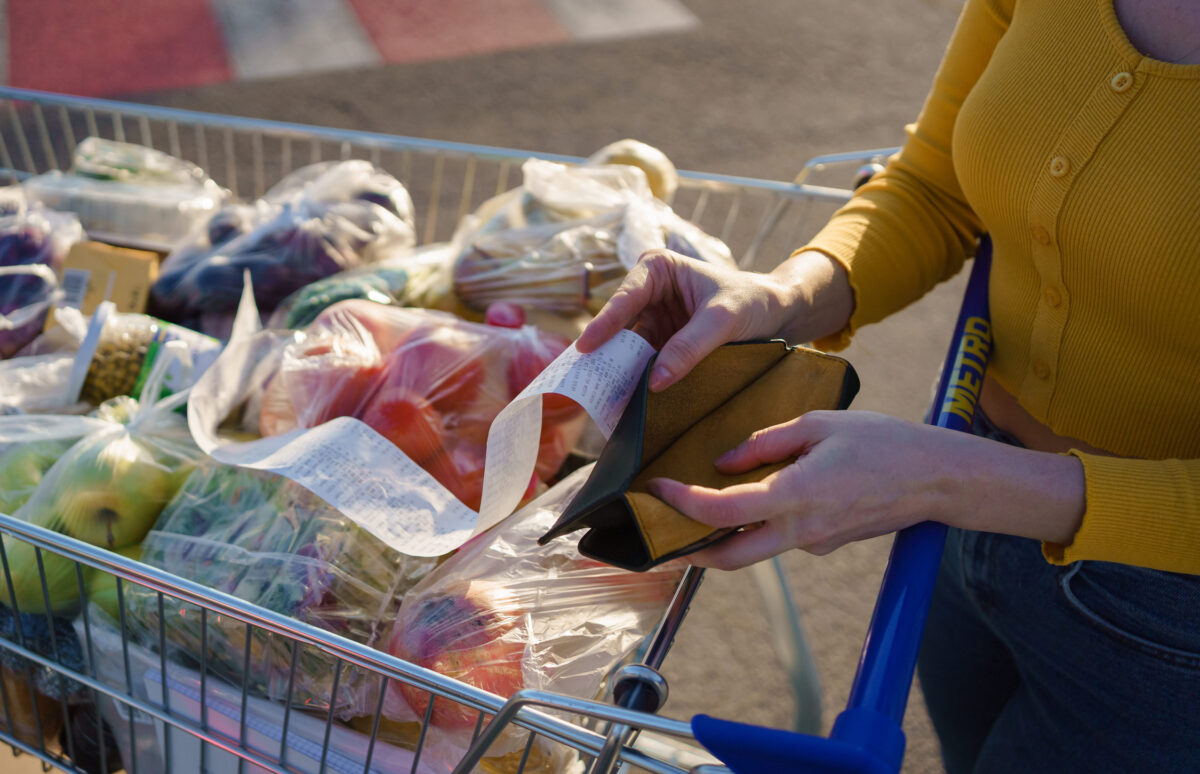
Houston families feel inflation most clearly at the grocery store because food is one bill that cannot be skipped. Federal data for the Houston area show food prices were still up over the year, with grocery prices rising and fruits and vegetables seeing among the sharpest increases. That means even a careful shopper can leave the store wondering how a small basket turned into a large receipt.
The pain is worse for families with children because groceries are not as flexible as entertainment. Milk, eggs, cereal, rice, chicken, fruit, snacks, lunch supplies, and baby items move quickly in a busy home. When those basics rise in price, parents do not simply buy less food. They trade down, stretch meals, skip brands they once trusted, or give up small extras.
Gas is punishing daily life.
Houston is a driving city, and that makes gasoline one of the most painful parts of the local budget. Families here are often spread across long distances, with one parent working near the Energy Corridor, another commuting toward downtown, and children needing rides to school, daycare, sports, church, or medical appointments.
When gas prices climb, Houston households feel it immediately. It does not matter if a family lives in Alief, Cypress, Baytown, or Missouri City. The car is often the bridge between work and survival. A higher gas bill can quietly eat the money that was supposed to cover groceries, school supplies, or an overdue credit card payment.
Housing is still the biggest wall.
Houston is still cheaper than many major American cities, but that does not mean it feels cheap to families living on local wages. Rent, mortgage payments, property taxes, repairs, insurance, and maintenance remain the biggest monthly pressure points. Even when rent growth slows, the amount on the lease is already high compared with what many families paid a few years ago.
The problem is especially sharp for households that moved during the high-price years or renewed a lease after a large increase. A family that once had breathing room may now spend hundreds more each month just to stay in the same place. That leaves less money for food, transportation, savings, and emergencies.
Utilities are no longer background bills.
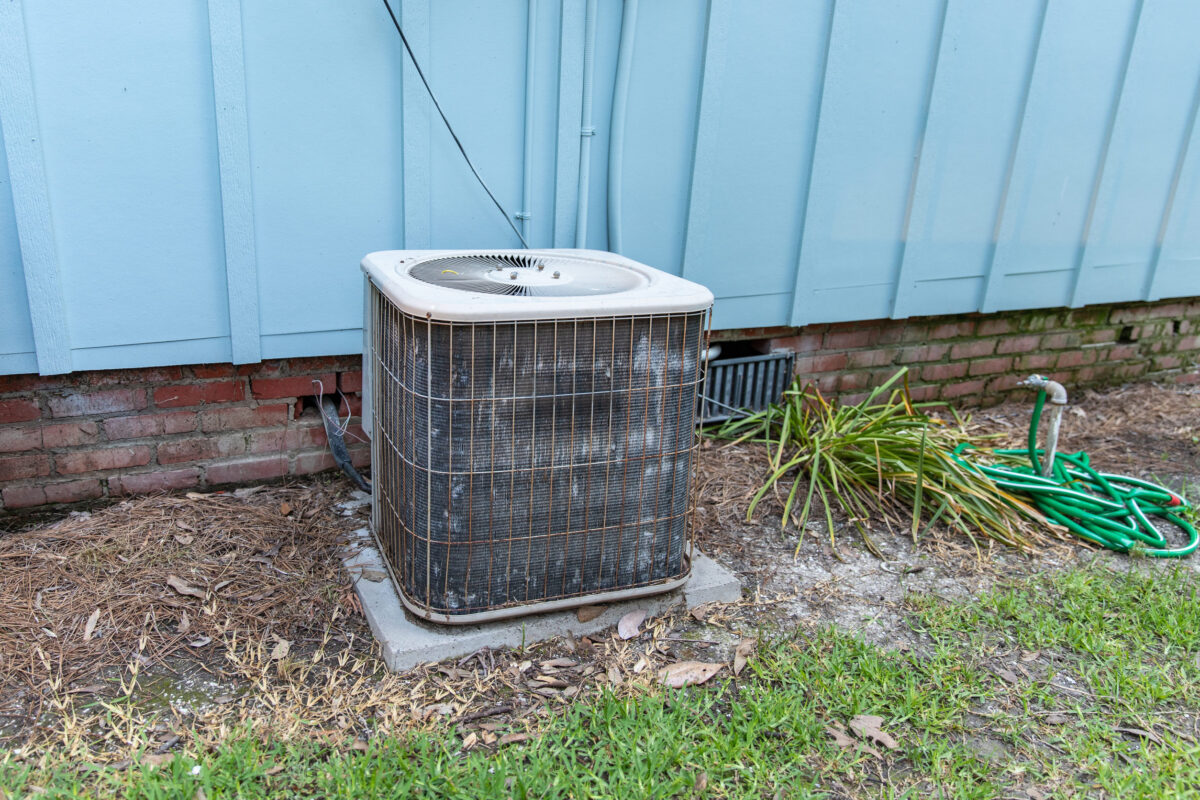
In Houston, utilities are not just another line item. They are part of surviving the climate. Long stretches of heat can push air conditioners hard, and summer electric bills can become a serious burden for families already trying to hold the budget together.
The frustration is that utility bills often arrive after the spending has already happened. A family may think it is staying on track, but then the electricity bill lands and changes everything. For parents with young children, elderly relatives, or health concerns at home, cutting back on cooling is not always realistic. Comfort becomes a safety issue.
Childcare can break the budget.
For many Houston parents, childcare is the bill that decides whether work is even worth it. MIT’s 2026 living wage estimate for the Houston metro shows childcare as one of the highest annual costs for families with children. For households with two young kids, it can rival or even exceed housing.
This creates a cruel trap. Parents need childcare so they can work, but the cost can swallow a major share of their paycheck. Some families rely on grandparents, shift work, church networks, neighbors, or older siblings just to make the math work. Others reduce hours or leave the workforce entirely because the numbers no longer make sense.
Health care keeps taking more.

Medical expenses are another quiet pressure point. Insurance premiums, copays, prescriptions, dental visits, urgent care, therapy, and out-of-pocket bills can turn one ordinary month into a financial setback. A child’s fever, a broken tooth, or a missed prescription refill can quickly become more than a health problem.
Houston has major hospitals and medical resources, but access does not always mean affordability. Families with insurance still worry about deductibles. Families without strong coverage often delay care until the problem gets worse. In a budget already stretched by food, gas, and housing, medical costs can feel like a bill waiting to ambush the household.
Transportation costs go beyond gas.
Gas gets the most attention, but transportation costs do not stop at the pump. Car insurance, repairs, registration, tires, oil changes, tolls, parking, and unexpected breakdowns all hit Houston families hard. In a sprawling metro area, many households need two vehicles just to keep work and school schedules running.
A single repair can wreck a monthly budget. If the car breaks down, the problem becomes bigger than transportation. It can threaten a job, a school routine, or a childcare arrangement. That is why families often keep older vehicles running longer than they would like, even as maintenance costs continue to rise.
School costs sneak up on parents.
Public school may be free, but raising school-age children is not. Houston-area parents still pay for uniforms, backpacks, supplies, lunch items, technology fees, sports gear, field trips, fundraisers, shoes, haircuts, and after-school care. These expenses rarely arrive politely. They show up in clusters.
Back-to-school season is especially tough because it comes after summer utility bills and before holiday spending. A family with two or three children can spend hundreds of dollars before the first week of class even begins. For parents already dealing with higher food and gas prices, school costs can feel like one more reminder that nothing is small anymore.
Small services now feel expensive.

Haircuts, laundry, phone plans, internet, repairs, subscriptions, pet care, and basic household items used to sit quietly in the background. Now they feel more noticeable because the major bills have already consumed a large share of their income. When the essentials rise, even a $15 increase can feel personal.
This is where many families start cutting. They delay hair appointments, cancel streaming services, repair clothes instead of replacing them, avoid restaurants, and stretch household goods as long as possible. The cuts may look small from the outside, but inside the home, they change the rhythm of daily life.
Wages are not keeping up for everyone.
Some Houston workers have seen pay increases, but many families say the raises do not keep pace with everyday costs. A $1 or $2 hourly raise can disappear quickly when rent, food, gas, and insurance are all higher. The paycheck looks bigger, but the money does not last longer.
This gap is what makes families feel stuck. They are working, budgeting, comparing prices, using rewards apps, cooking more at home, and saying no to extras. Still, the pressure remains. Inflation no longer has to be rising at a record pace to keep hurting. Prices only have to stay high.
What the 30% squeeze looks like at home
A 30% increase is easy to understand in real life. If a Houston family once spent $4,000 a month on essentials, that same basic cost of living could now be about $5,200. That extra $1,200 does not buy luxury. It buys the same groceries, the same commute, the same roof, the same lights, and the same chance to get through the month.
That is why the Houston cost story is not just about numbers. It is about families recalculating life in real time. It is the parent putting something back at the store. It is the driver watching the pump climb. It is the renter opening a renewal notice with a knot in the stomach.
Houston may still be called affordable compared with other big cities, but affordability means very little when the household budget is already out of breath. For many families, the weekly receipt now feels less like a receipt and more like a warning sign.