Only People Who Grew Up in the 1960s Remember These 10 Sunday Rituals
In the 1960s, Sunday was not just another day off. It had its own clothes, its own menu, its own TV lineup and its own rules, and almost every family in the neighborhood seemed to follow the same script.
If you grew up then, you probably remember the scratchy collar, the smell of a roast in the oven and the feeling that the whole town had pressed pause. Here are 10 Sunday rituals that anyone who was a kid in the ’60s will recognize instantly.
1. Getting Dressed Up for Church
Sunday morning meant your “Sunday best,” which usually included stiff shoes, a clip-on tie or a dress with a petticoat, and white gloves for the girls. Mom often wore a hat, and nobody left the house until hair was combed and faces were scrubbed.
Those clothes were saved for Sunday only, which is why so many of us still remember exactly how uncomfortable they were. It is one of those nostalgic details almost everyone shared and almost nobody misses.
2. The Big Midday Sunday Dinner
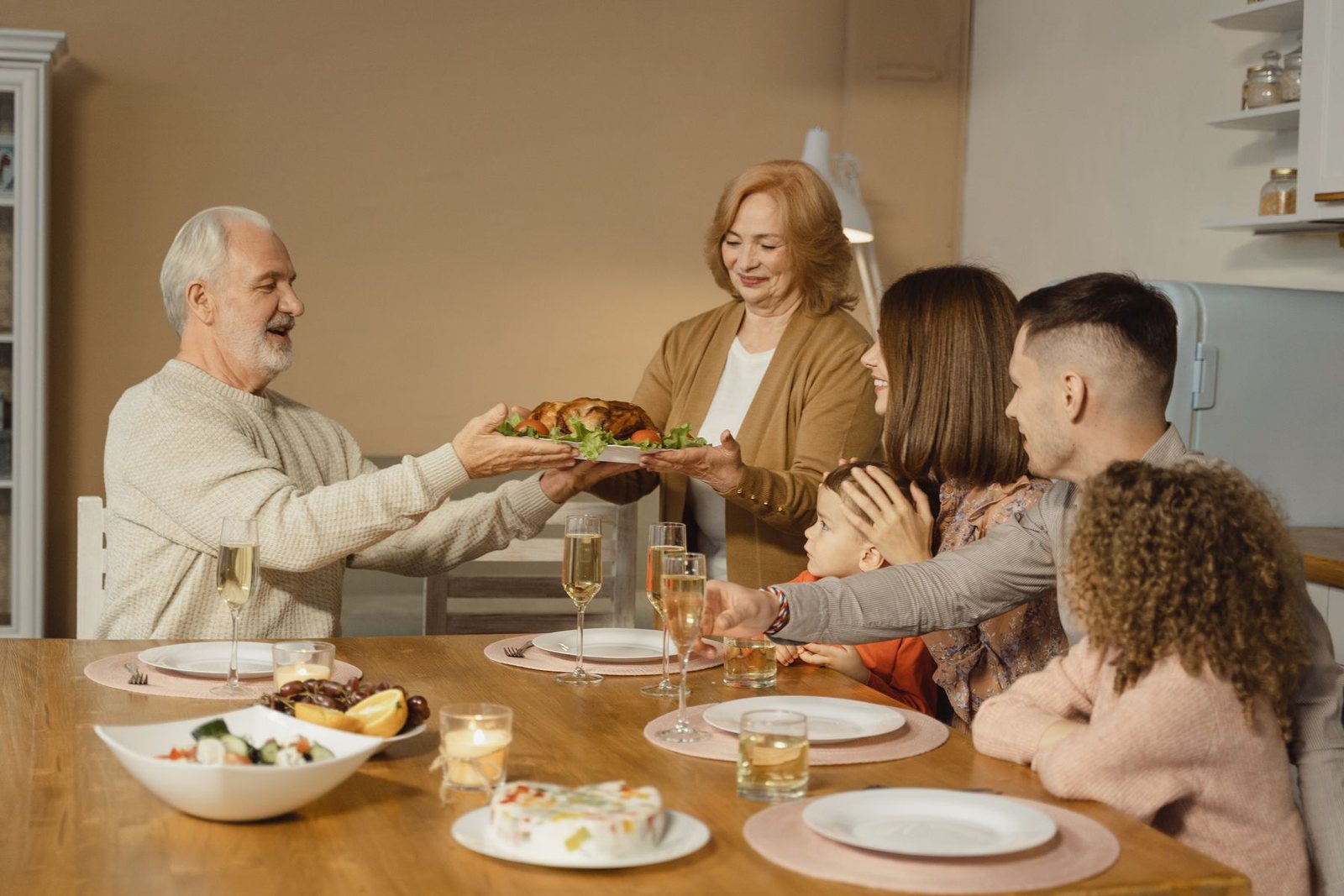
In many homes, the main meal on Sunday came in the early afternoon, right after church. A pot roast or roast chicken had been slowly cooking all morning, with mashed potatoes, gravy, green beans and a Jell-O salad on the side.
The good dishes came out, the whole family sat down together and second helpings were expected. If you want a taste of it, these are the meals families ate after church in the 1960s.
3. The Fat Sunday Newspaper
The Sunday paper was an event. It landed on the porch weighing a few pounds, stuffed with ads, coupons and a full-color comics section that kids fought over.
Dad usually claimed the front page and sports, Mom went for the ads and coupons, and the kids spread the funnies across the living room floor. Some kids even pressed Silly Putty onto the comics to lift off a copy of Peanuts or Blondie.
4. Stores That Were Simply Closed
In much of the country, there was nowhere to shop on Sunday. So-called blue laws kept many stores closed, and in 1961 the U.S. Supreme Court upheld those Sunday closing laws in McGowan v. Maryland and three related cases, finding they served a secular purpose as a common day of rest.
If you ran out of milk on Sunday, you borrowed from a neighbor or waited until Monday. It sounds like one of those odd American traditions today, but back then it was simply how the week worked.
5. The Sunday Afternoon Drive
With the stores closed, families piled into the station wagon for a drive with no real destination. You might cruise past the nice houses across town, look at the fall leaves or end up at a farm stand.
No seatbelts to speak of, the windows rolled down and Dad at the wheel. Like the road trip rituals of the 1960s, half the fun was just being together in the car.
6. Visiting the Relatives
Sunday afternoons were for Grandma’s house, or a visit from the aunts and uncles. The grown-ups drank coffee and talked for hours while the cousins ran wild in the backyard.
Sometimes it ended with pie and a long goodbye at the door, a slower pace that some families are bringing back with Boomer habits making a comeback.
7. Calling Long Distance
If relatives lived far away, Sunday was often the day to call them, because long-distance calls cost real money and many families saved them for weekends. Everyone lined up to say a quick hello, and someone always shouted “Don’t talk too long, this is long distance!”
8. Lassie Before Supper
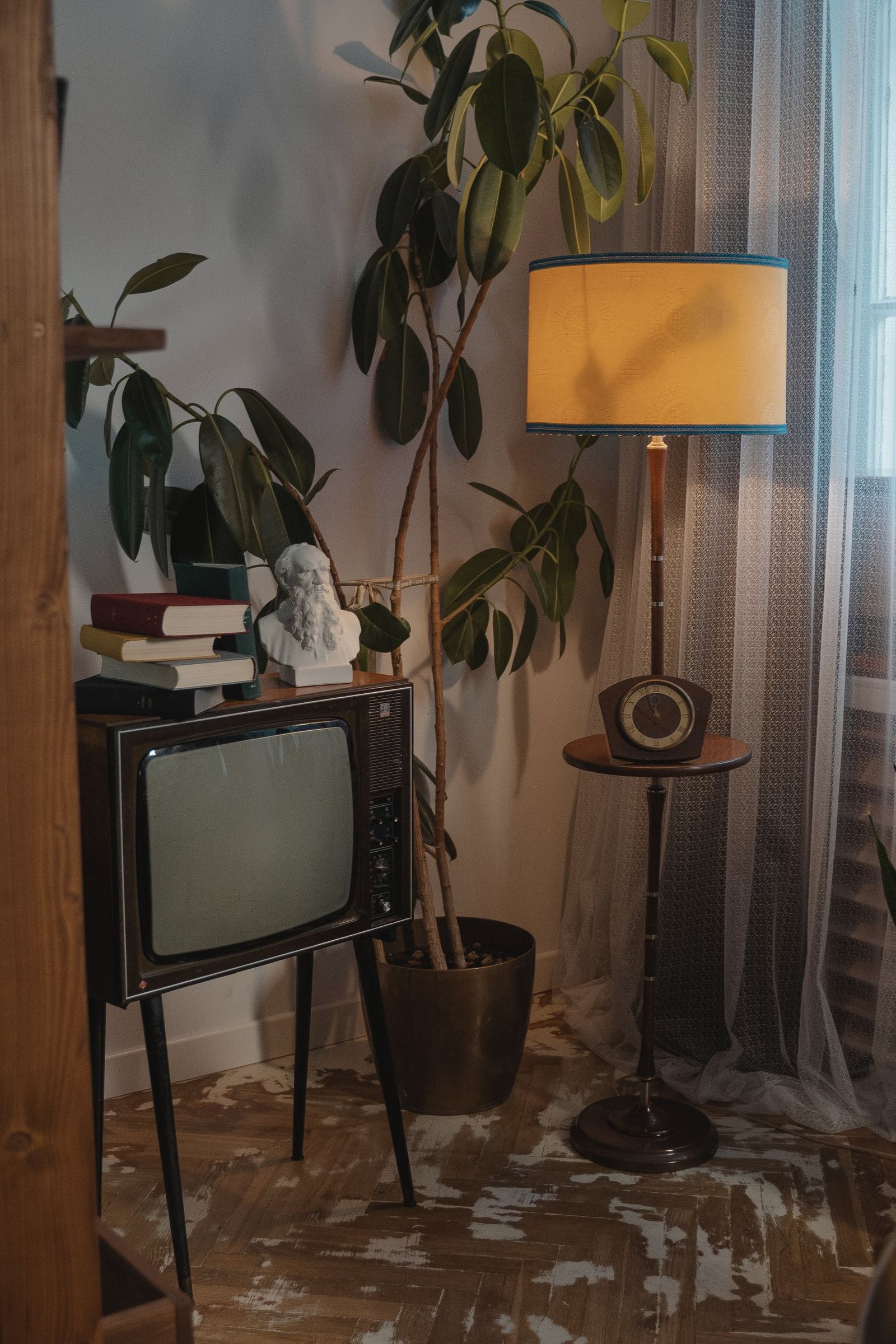
Sunday evening TV started early. Lassie aired on CBS on Sunday evenings for years, and plenty of kids ate supper on a TV tray so they would not miss what the famous collie did next.
9. Walt Disney in Living Color
On September 24, 1961, Walt Disney’s weekly show moved from ABC to NBC and was renamed Walt Disney’s Wonderful World of Color, airing in full color. It became a Sunday night fixture, even in homes that still had a black-and-white set and could only imagine the colors.
10. Ed Sullivan Wrapping Up the Weekend
And then there was Ed Sullivan. His Sunday night variety show on CBS brought everything from plate spinners to opera singers into the living room. On February 9, 1964, 73 million Americans tuned in to see the Beatles make their U.S. debut on his show, according to Smithsonian Magazine.
When the show ended, it meant baths, homework and lights out. The weekend was officially over.
Sundays Like That Don’t Come Around Anymore
Today, Sunday looks a lot like Saturday, with stores open, phones buzzing and everyone on a different schedule. But for those who grew up in the 1960s, the memory of a slow, predictable Sunday still feels like a warm blanket.
Maybe that is why so many people still try to save one day a week for a family dinner, a drive or a phone call to someone they love.