8 Grocery Store Departments That Have Shrunk to Almost Nothing
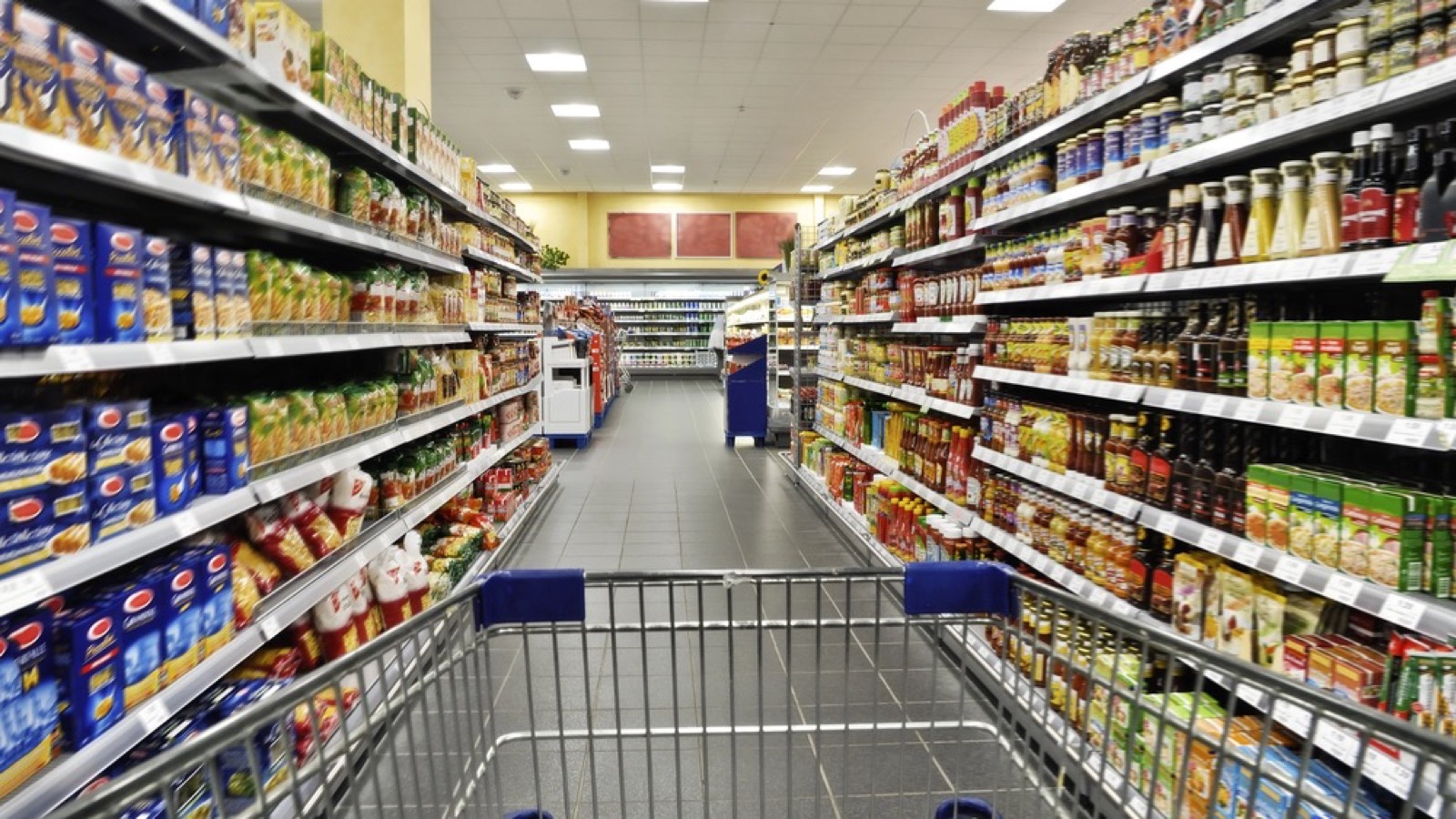
Walk into a supermarket today and it looks bigger and brighter than ever. There are huge produce sections, endless snack aisles, prepared food counters and sometimes even a coffee bar. But if you grew up shopping with your parents in the 1970s or 1980s, you might notice that some parts of the store have almost disappeared.
Grocery stores change constantly to keep up with how people shop and what they want to buy. Some departments that once took up whole aisles have shrunk to a single shelf, and others have vanished entirely. Here are eight grocery store departments that used to be a big deal and have quietly shrunk to almost nothing.
1. The Film and Photo Counter
In the 1980s and 1990s, many grocery stores had a photo counter where shoppers dropped off rolls of film for developing. A few days later, they picked up an envelope of prints, often with doubles for sharing with relatives. Stores also sold disposable cameras and film right at the checkout.
Digital cameras and smartphones changed all that. Most stores closed their photo counters, and the few that remain mostly offer printing from phones or memory cards. For many shoppers, the excitement of opening an envelope of fresh photos at the grocery store is a distant memory.
2. The Magazine and Book Rack
Grocery stores once had long racks of magazines and paperback books near the checkout and in their own aisle. Shoppers browsed women’s magazines, cooking publications, TV guides and romance novels while waiting in line. Many families bought their weekly TV Guide at the supermarket.
Today, the magazine section has shrunk dramatically as print sales have dropped. Many stores now carry only a small selection near the registers. Readers have moved to digital subscriptions and online articles, leaving fewer reasons for grocers to stock large racks.
3. Video Rentals
In the 1980s and 1990s, many supermarkets rented VHS tapes and later DVDs. Families picked up a movie for the weekend along with their groceries. Later, Redbox kiosks took over, often standing near the store entrance.
Streaming services ended most of that business. Redbox’s parent company filed for bankruptcy in 2024, and its kiosks have largely disappeared from stores. For many families, Friday night movie rentals at the grocery store are now just a nostalgic memory.
4. The Full-Service Butcher Counter
Many grocery stores once had full-service butchers who cut meat to order. Shoppers could ask for a specific cut, have a roast tied or get chops cut to a certain thickness. The butcher often knew regular customers by name and offered cooking advice.
Today, many stores sell mostly prepackaged meat that arrives already cut and wrapped. Some still have a meat counter, but it may be smaller, with limited hours or fewer staff. Shoppers who want custom cuts often have to visit specialty butcher shops instead.
5. Bulk Bins in Mainstream Stores
Bulk bins for nuts, grains, candy and dried fruit were once popular in many supermarkets. Shoppers scooped what they needed into bags and paid by weight. Some stores had entire aisles of bulk bins, and they were especially popular in the 1970s and 1980s.
Many mainstream stores have since scaled back or removed bulk sections, partly because of food safety concerns, waste and the cost of keeping bins stocked. They’re still found at natural food stores and some co-ops. But in many supermarkets, the bulk aisle has shrunk to a few bins or disappeared entirely.
6. The Cigarette and Tobacco Counter
Cigarettes were once sold openly at nearly every grocery store, often from a big display behind the service desk. Shoppers could buy cartons along with their groceries, and some stores sold cigars and pipe tobacco too. Tobacco products were a big part of supermarket sales for decades.
Many chains have stopped selling tobacco altogether, and smoking rates have dropped sharply. The CDC reports that cigarette smoking among U.S. adults has fallen dramatically since the 1960s. Where tobacco is still sold, it’s usually kept in a small locked area.
7. Canned and Bottled Juice Aisles
Grocery stores used to devote large sections to canned and bottled juices, including tomato juice, prune juice, grape juice and big cans of fruit punch. Many families bought juice in cans and kept it in the pantry. Frozen juice concentrate also filled long freezer cases.
Today, those sections are much smaller. Shoppers have shifted toward refrigerated juices, sparkling water and other drinks. Frozen concentrate in particular has shrunk to just a few options in many stores, a big change from when it was a breakfast staple.
8. Greeting Cards and Stationery
Many grocery stores once had long aisles of greeting cards, gift wrap and stationery. Shoppers picked up birthday cards, sympathy cards and holiday cards during their weekly trip. Some stores also sold writing paper, envelopes and stamps.
While many stores still carry greeting cards, the sections are often smaller than they used to be. People send more digital greetings and texts instead of mailed cards. For those who still love sending cards, the selection at the grocery store can feel limited compared to years past.
Why These Departments Shrank
Most of these changes come down to how people shop and live. Technology replaced film, magazines and video rentals. Health concerns and changing habits reduced demand for tobacco and certain drinks. Stores also want to make the most of their space, focusing on products that sell well and bring in profit.
At the same time, other departments have grown. Prepared foods, organic produce, international foods and snacks take up more space than ever. Many stores now have salad bars, sushi counters and hot food sections that didn’t exist decades ago.
What Shoppers Miss Most
Many older shoppers say they miss the personal touch of the old departments. The butcher who cut meat to order and the photo counter clerk who knew their family made shopping feel more personal. Some also miss the simple fun of browsing magazines or picking out a movie.
These memories are part of why so many people feel nostalgic about grocery shopping in past decades. It was a weekly ritual that brought families together. Lists of forgotten household items from the past often include things families once picked up at the supermarket every week.
The Grocery Store Keeps Changing
Grocery stores will keep evolving as technology and shopping habits change. Online ordering, curbside pickup and self-checkout have already transformed how many people shop. Some departments that are popular today may shrink in the future, just like these did.
For now, these shrinking departments offer a glimpse into how much life has changed. They remind older shoppers of a time when the grocery store was a place to develop photos, rent movies and chat with the butcher. And for younger shoppers, they’re a look at a world that’s almost gone.