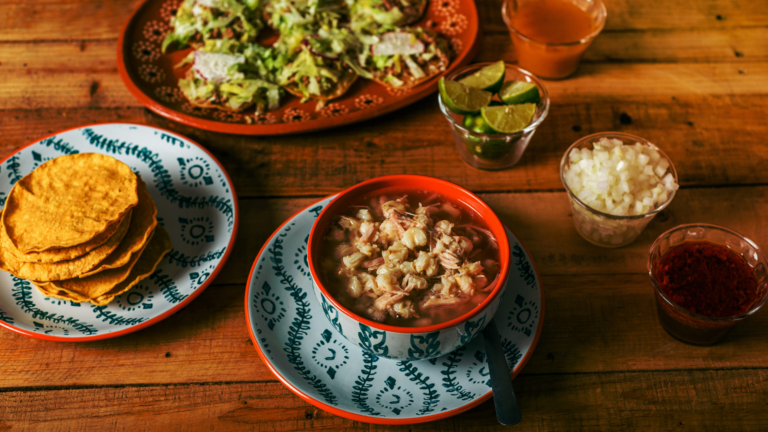
Taco Bell Lettuce Cyclospora Outbreak Raises New Questions About America’s Food Supply Chain
A few strands of shredded lettuce, an ingredient many customers barely notice, have become the center of the Taco Bell lettuce Cyclospora outbreak, one of the most closely watched food safety investigations of 2026. Federal health officials have linked iceberg lettuce served at selected Taco Bell locations in five states to illnesses caused by the parasite Cyclospora, raising concerns about how quickly contamination can move through modern food distribution networks.
The outbreak has sickened more than 1,600 people and led to dozens of hospitalizations, according to federal health officials. The affected states include Indiana, Kentucky, Michigan, Ohio, and West Virginia, where investigators identified a connection between illnesses and shredded iceberg lettuce served at certain Taco Bell restaurants.
The investigation has become more than a restaurant food safety story. It has exposed the hidden complexity of America’s fresh produce system, where a single ingredient can travel across borders, pass through multiple supply channels and reach thousands of consumers before a problem becomes visible.
The Hidden Ingredient Behind the Taco Bell Lettuce Cyclospora Outbreak
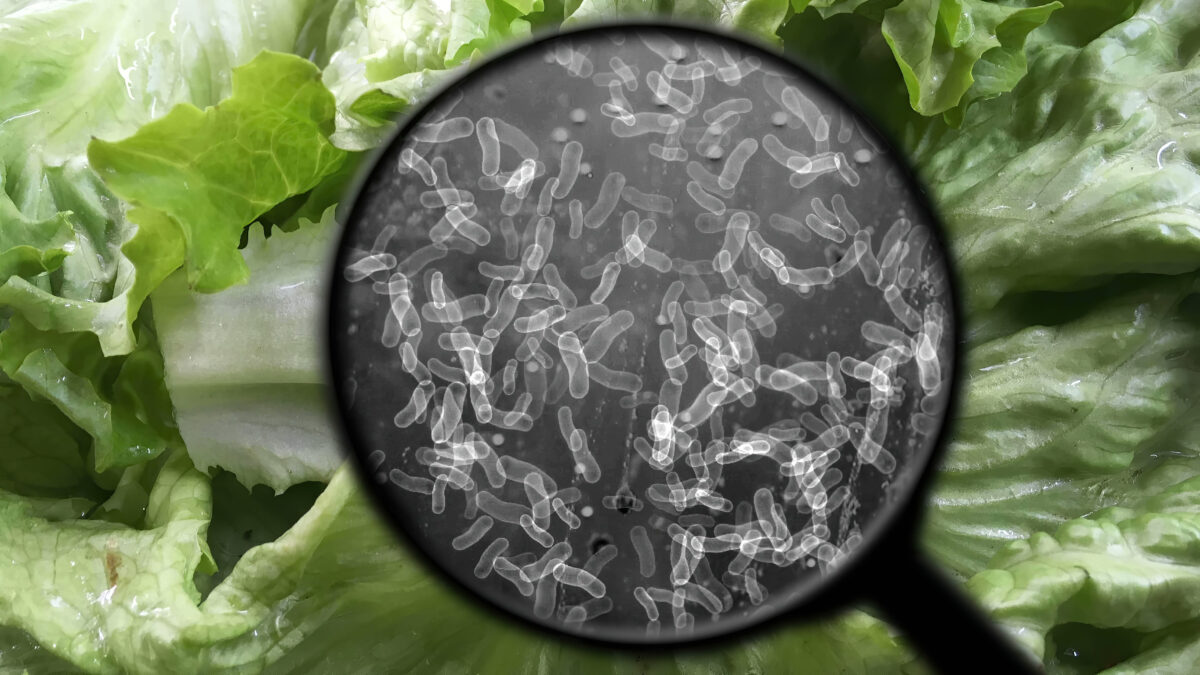
Most restaurant customers remember the main item they ordered. They remember the taco, burrito, bowl, or combination meal. They rarely remember a small amount of lettuce added as a topping.
That forgotten ingredient became the key focus of the Taco Bell lettuce Cyclospora outbreak investigation. Health officials discovered that shredded iceberg lettuce was the common connection among many people who reported becoming ill after eating at certain Taco Bell locations.
The Centers for Disease Control and Prevention and the Food and Drug Administration examined patient interviews, restaurant records, and supply information to determine how illnesses were connected. The investigation showed how difficult it can be to track foodborne illness when a single ingredient appears across multiple menu items.
Cyclospora is different from many common causes of food poisoning. The parasite does not always produce immediate symptoms, and many patients may not know exactly which food caused their illness. This makes it more challenging for public health investigators to identify the source.
The FDA’s traceback investigation identified Taylor Farms de Mexico as the supplier of the iceberg lettuce linked to the outbreak. Officials said the investigation remains active and additional information could emerge as more data is reviewed.
The Taco Bell lettuce Cyclospora outbreak demonstrates a major challenge in food safety: the most important ingredient in an investigation is often the one consumers remember the least.
How a Single Lettuce Supply Became a Multi-State Health Concern
Food supply chains today operate on a massive scale. A restaurant serving millions of customers depends on networks that include farms, processors, distributors, and transportation companies.
A single shipment of produce can move through several stages before reaching a customer’s plate. When contamination occurs, investigators must work backward through every step to determine where the problem started.
In the Taco Bell lettuce Cyclospora outbreak, officials followed a detailed process that included interviewing sick customers, comparing food histories, and reviewing supplier records. Investigators looked for patterns among people who became ill and identified iceberg lettuce as a common factor.
The process is similar to solving a complicated puzzle. Patients provide information about what they ate, restaurants provide purchase records, and suppliers provide distribution information. Only after these pieces are combined can officials identify a likely source.
The outbreak also highlights why food recalls and warnings sometimes take time. By the time people become sick, the original product may no longer be available in restaurants or stores. Investigators must confirm connections carefully before announcing a source to the public.
The FDA has warned that other brands, restaurants, retailers, or distribution channels could potentially become part of the investigation. That does not mean those businesses are confirmed sources of illness, but it shows how wide food supply networks can become during an outbreak.
The Taco Bell lettuce Cyclospora outbreak is a reminder that food safety does not begin when a meal reaches a restaurant kitchen. It begins much earlier, often thousands of miles away.
Why Fresh Produce Creates Unique Food Safety Challenges
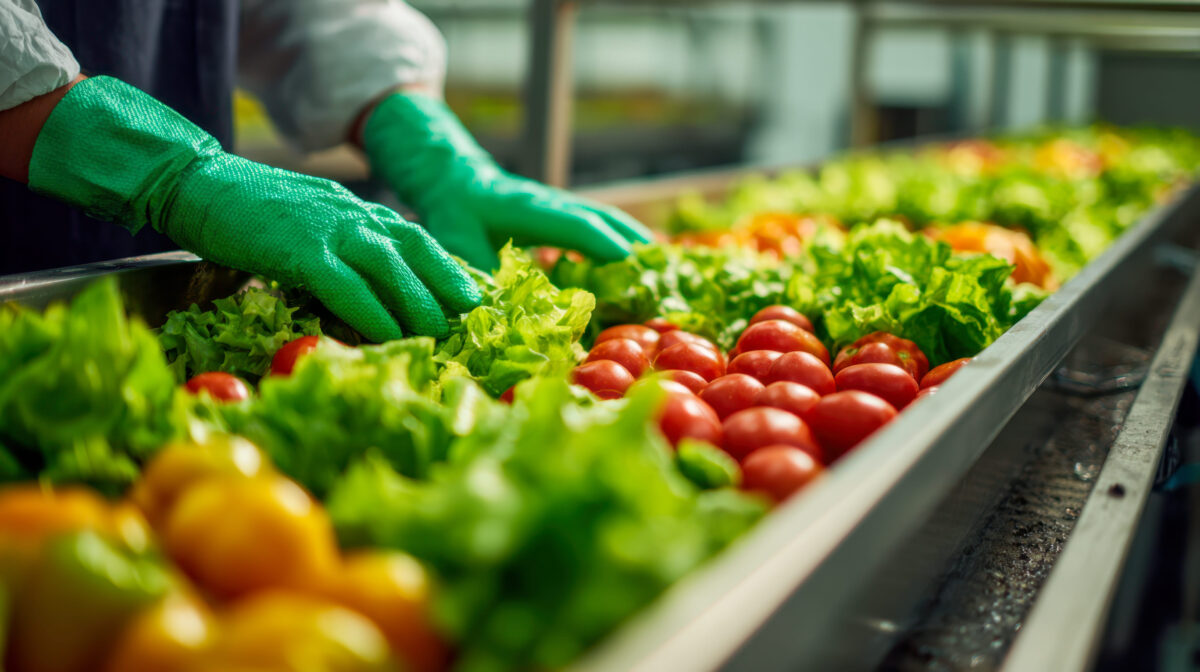
Fresh vegetables are an important part of the American diet, but they also present unique challenges because many are eaten raw. Cooking often destroys harmful organisms, but lettuce is usually served raw.
Cyclospora infections occur when people consume food or water contaminated with the parasite. Previous outbreaks have been linked to fresh produce exposed to contaminated water or poor sanitation conditions during production.
Leafy greens have repeatedly appeared in food safety discussions because they are grown close to the ground and often require significant water use during farming. Their shape and texture can also make complete cleaning difficult.
The Taco Bell lettuce Cyclospora outbreak does not mean lettuce is unsafe in general. It shows that food safety depends on multiple factors, including agricultural practices, processing standards, transportation controls, and proper investigation when problems occur.
The United States has experienced several major produce-related outbreaks over the past decade. Leafy greens, berries, and herbs have all been involved in separate investigations involving different pathogens and different supply chains.
These cases have encouraged regulators and food companies to improve traceability systems. Faster tracking can help identify contaminated products sooner and reduce the number of people exposed.
However, the challenge remains significant. Modern consumers expect fresh produce year-round, including products grown and processed through international supply networks.
The Rising Cyclospora Problem Is Bigger Than One Restaurant
The Taco Bell lettuce Cyclospora outbreak occurred during a broader increase in reported Cyclospora infections across the United States. Federal health officials have noted a rise in cases in recent years, although several factors may contribute to the increase.
Improved testing methods have helped identify infections that may have previously gone unnoticed. At the same time, experts believe some cases were historically underreported because Cyclospora testing was not always included in routine foodborne illness evaluations.
Cyclospora symptoms can also make detection difficult. Many people initially experience watery diarrhea, stomach discomfort, or fatigue and may assume they have a short-term illness.
However, cyclosporiasis can last much longer than typical stomach infections. Some patients experience symptoms that recur after temporary improvement, underscoring the importance of medical attention for persistent cases.
The CDC has reported that Cyclospora outbreaks often occur during warmer months, particularly in late spring and summer. These seasonal patterns have made the parasite a recurring public health concern.
Climate conditions, international food trade, and improved surveillance have all influenced how officials monitor Cyclospora. The Taco Bell lettuce Cyclospora outbreak has placed renewed attention on a parasite that many consumers rarely hear about.
The increase in cases raises an important question: are foodborne illnesses becoming more common, or are health systems simply becoming better at finding them? The answer may involve both factors.
Why Washing Lettuce May Not Prevent Cyclospora Infection
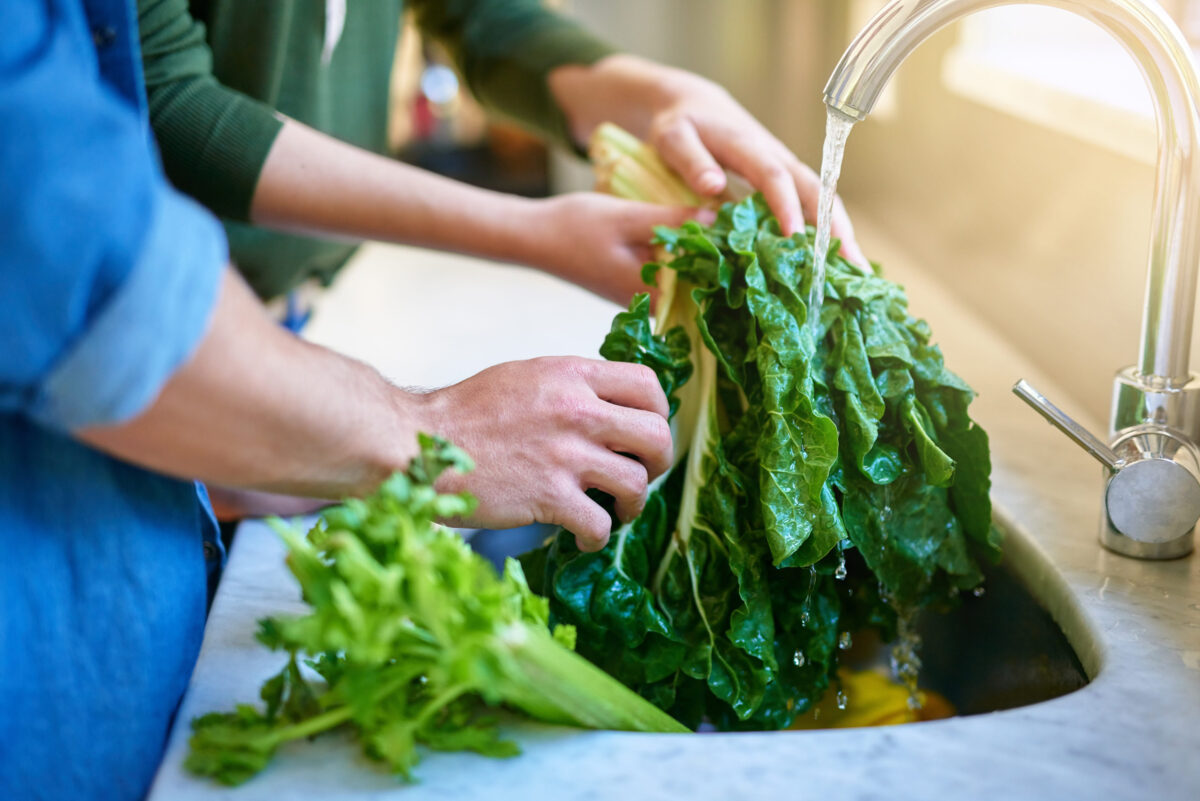
One of the biggest misunderstandings during foodborne outbreaks is the belief that washing contaminated produce always removes the danger. While washing fruits and vegetables remains an important safety practice, it does not eliminate every possible risk.
Cyclospora contamination can occur before food reaches consumers. If produce becomes contaminated during farming, processing, or transportation, a quick rinse at home may not provide complete protection.
That is why federal officials advise consumers to follow recall and outbreak warnings rather than relying only on additional washing. When a specific product has been identified, avoiding that product remains the safest option.
The symptoms of cyclosporiasis can also be serious enough to affect daily life. People may experience frequent diarrhea, stomach cramps, nausea, appetite loss, and fatigue. Some patients require hospitalization because of dehydration or prolonged illness.
Healthcare providers may need to request specific Cyclospora testing because standard food poisoning tests do not always detect the parasite. This creates another challenge for accurately tracking outbreaks.
The Taco Bell lettuce Cyclospora outbreak shows why public awareness matters. Recognizing symptoms and reporting possible exposures can help investigators identify patterns more quickly.
The Supplier Question: What the Outbreak Reveals About Food Traceability
The investigation has also focused attention on the role of suppliers in the modern food system. Restaurants depend heavily on outside companies for ingredients, meaning a problem at one point in the supply chain can affect customers far away.
Taylor Farms de Mexico became central to the investigation after FDA traceback efforts identified the company as the supplier connected to the affected lettuce. The company has said it is cooperating with officials and removing affected products.
Taylor Farms has previously been connected to other food safety investigations, including a 2013 Cyclospora outbreak involving salad mix and a 2024 E. coli investigation involving onions served at McDonald’s. Those previous events are separate from the current Taco Bell lettuce Cyclospora outbreak.
The importance of this distinction cannot be overlooked. Food safety investigations rely on confirmed evidence, not assumptions based on previous incidents.
At the same time, repeated attention to large suppliers underscores the need for stronger traceability systems. When one company supplies ingredients to many businesses, accurate records become essential.
The goal of modern food safety is not only to identify the supplier of a product. It is understanding where contamination happened and preventing future outbreaks.
What the Taco Bell Lettuce Cyclospora Outbreak Means for Consumers
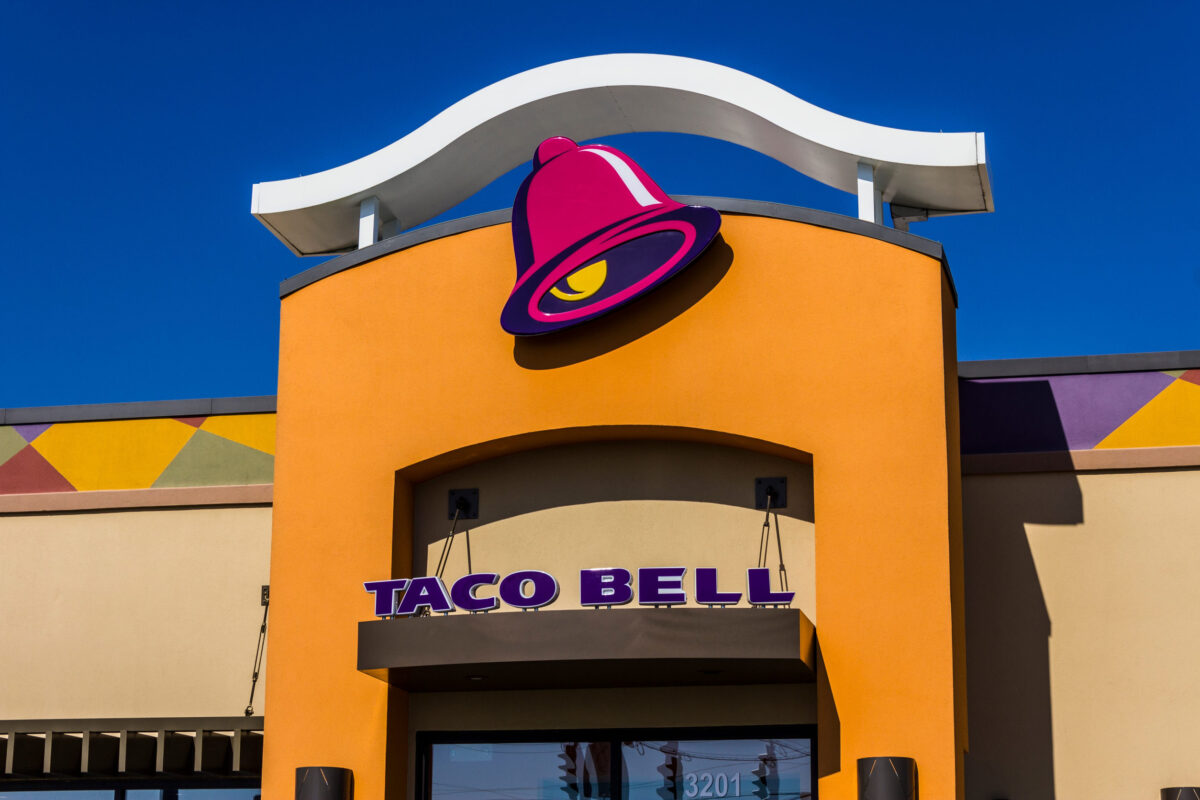
For consumers, the outbreak serves as a reminder that food safety involves more than restaurant preparation. It involves the entire journey of an ingredient before it reaches a plate.
Taco Bell removed the affected lettuce from its supply chain and moved toward alternative suppliers. Federal agencies continue investigating whether the implicated lettuce reached other businesses.
Consumers in affected states should follow official guidance regarding shredded iceberg lettuce connected to the outbreak. Anyone experiencing prolonged diarrhea after possible exposure should contact a healthcare provider and mention the possibility of Cyclospora infection.
The Taco Bell lettuce Cyclospora outbreak also raises broader questions about transparency. How quickly should consumers receive information when a food safety concern emerges? How much should people know about where everyday ingredients come from?
A piece of lettuce may appear simple, but its journey from farm to restaurant is anything but simple. The outbreak has shown that protecting consumers requires cooperation between farmers, suppliers, restaurants, regulators, and the public.
The most important lesson may be that food safety depends on visibility. The ingredients consumers rarely think about are often the ones that reveal how connected the entire food system has become.