El Niño Could Bring Storms to Thanksgiving Travel: The Regions and Airports Forecasters Are Watching
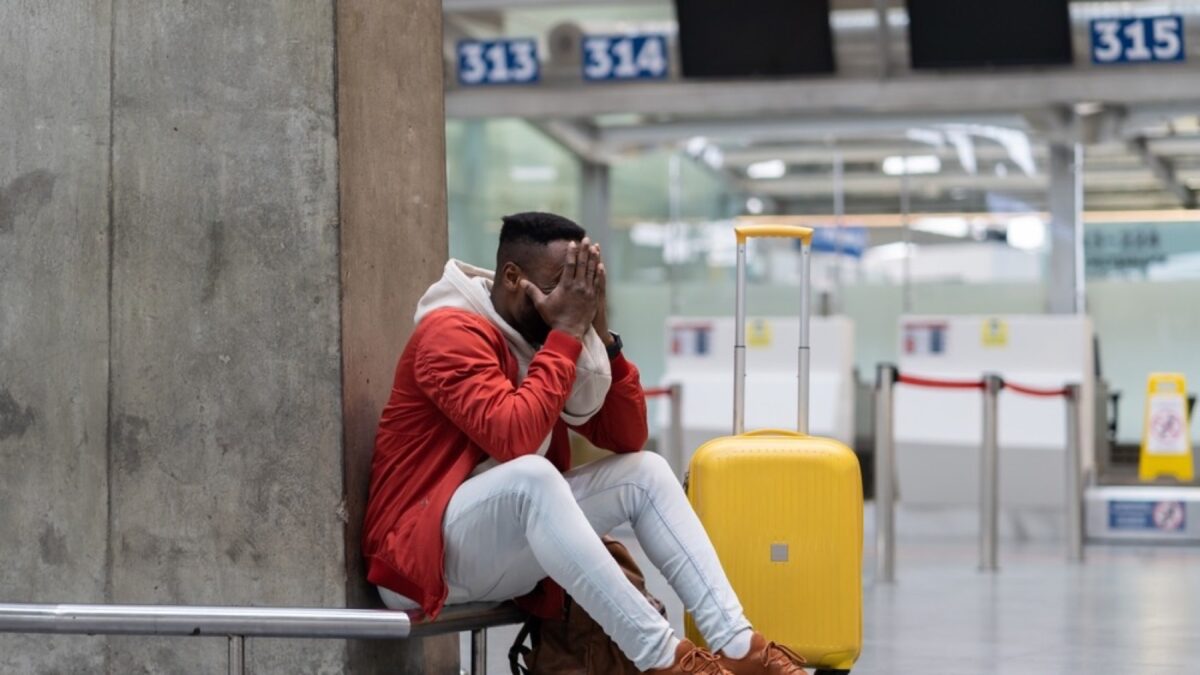
Millions of Americans are getting ready to hit the road or head to the airport for Thanksgiving, one of the busiest travel weeks of the year. This year, forecasters are keeping a close eye on a powerful El Niño that has been strengthening in the Pacific Ocean for months. While it won’t decide every flight delay on its own, meteorologists say it’s helping steer a stormy pattern across parts of the country.
The biggest concerns right now are on the West Coast and across the southern part of the country, with some chance that unsettled weather reaches the East Coast during the post-holiday rush. Here’s what forecasters are saying, which regions and airports could see trouble and what El Niño typically means for winter.
What Is El Niño?
El Niño is a natural climate pattern that occurs when waters in the central and eastern Pacific Ocean become warmer than usual. Those warmer waters change wind patterns and the path of the jet stream, which can affect weather around the world. In the United States, El Niño winters often bring wetter conditions to the South and warmer, drier weather to the northern tier.
The National Oceanic and Atmospheric Administration tracks El Niño closely. According to NOAA’s Climate Prediction Center, the current El Niño has continued to strengthen this fall. Forecasters expect it to remain strong through the winter months, and some outlets have described it as potentially one of the strongest in decades.
The West Coast Faces the Most Widespread Impacts
Meteorologists say the West Coast is likely to see the most significant weather during Thanksgiving week. As Newsweek reported, AccuWeather meteorologist Alyssa Glenny said a “pipeline” of Pacific storms is forecast to reach the West Coast through the holiday week. The storms are expected to hit the Pacific Northwest and Northern California first before shifting south.
“This could bring flooding, coastal erosion and heavy mountain snow, and travel disruptions are possible,” Glenny told Newsweek. The Weather Channel’s Scott Lawrimore said large atmospheric rivers, which carry huge amounts of moisture from the Pacific, are expected to bring significant weather along the I-5 corridor from Washington state to Southern California.
Airports That Could See Delays Out West
Lawrimore told Newsweek that major West Coast airports could experience weather-related delays. Those include Seattle-Tacoma International Airport, Los Angeles International Airport, San Francisco International Airport and San Diego International Airport.
He also said feet of snow are likely to fall in the Sierra Nevada mountains, a big contrast to last year’s snow drought. That’s good news for ski resorts and water supplies, but it could make mountain driving dangerous. Travelers heading over mountain passes should be prepared for chain requirements and possible road closures.
Southern States Could See Heavy Rain and Storms
The South is another area to watch. Glenny said rain and thunderstorms are possible along the Gulf Coast and across the Southeast, with the heaviest rain currently expected near the beginning and end of Thanksgiving week. “Flooding can’t be ruled out in parts of southeast Texas and the western Gulf Coast,” she told Newsweek.
Lawrimore said an area of active weather could move from Texas across the central Gulf Coast shortly before the holiday. He said heavy rain and possible severe weather could stretch from the central Gulf Coast into southern Missouri on Wednesday, November 25, one of the busiest travel days of the year.
Southern Airports and Highways to Watch
Glenny warned that travelers passing through Houston, Dallas, Atlanta and Charlotte could encounter rain or thunderstorm delays. These are major hub airports, which means delays there can ripple across the country and affect flights in other cities.
On the roads, she said I-10 and I-45 along the Gulf Coast, as well as I-85 and I-95 through the Southeast, could be affected. Drivers should allow extra time and keep an eye on local forecasts. Heavy rain can reduce visibility and lead to flooded roadways, especially in low-lying areas.
The East Coast Could Be Hit After the Holiday
The weather may also affect people traveling home after Thanksgiving. Lawrimore said the disturbed weather in the South could move toward the East Coast just after the holiday, potentially affecting the post-Thanksgiving travel rush. He said the Mid-Atlantic states could be especially affected that weekend.
Glenny also said there are some signs a significant storm could develop just after Thanksgiving, bringing wind and rain to the East. However, she cautioned that forecasts can change, and travelers should check updated reports closer to their travel dates.
How Much Is El Niño to Blame?
Meteorologists are careful not to blame every storm on El Niño. Glenny told Newsweek that El Niño typically favors an active storm track across the Pacific, the West Coast and the southern United States, and the current pattern looks consistent with that. But she said day-to-day weather is driven largely by shorter-term systems, so El Niño may be just one contributing factor.
That means travelers shouldn’t assume every delay is caused by El Niño. Still, the pattern makes stormy weather more likely in certain regions. The connection to the South and Southeast may become clearer as winter goes on.
What El Niño Usually Means for Winter
Beyond Thanksgiving, a strong El Niño can shape the whole winter. Southern states from California to Florida often see more rain and storms than usual. Northern states, especially across the northern Plains and Great Lakes, often have milder winters with less snow.
For homeowners, that could mean different things depending on location. Southern residents may want to prepare for heavy rain and possible flooding, while northern residents might enjoy a milder winter and lower heating bills. Many families also take simple steps to seal out drafts before holiday guests arrive.
Snow and Cold Could Still Hit the North
While El Niño tends to bring milder winters to the northern United States, that doesn’t mean the North will escape winter weather entirely. Cold snaps and snowstorms can still happen, especially early in the season. Travelers heading to the Great Lakes, New England or the northern Plains should still check forecasts before they leave.
Lake-effect snow near the Great Lakes can develop quickly, making roads slick and reducing visibility. Mountain areas in the West may also see heavy snow from the same Pacific storms that bring rain to the coast. A strong El Niño shifts the odds, but day-to-day weather can still bring surprises anywhere in the country.
Tips for Thanksgiving Travelers
Travelers can take a few steps to reduce stress. Check the weather forecast for both your departure and arrival cities, as well as any connecting airports. Sign up for flight alerts from your airline so you’ll know quickly about delays or cancellations.
If you’re driving, plan your route ahead of time and consider leaving earlier or later to avoid the worst weather. Pack an emergency kit with water, snacks, blankets and a phone charger. And most importantly, stay flexible. Weather can change quickly, and a little patience can make a big difference during one of the busiest travel weeks of the year.