9 Regional Burger Chains Boomers Grew Up With
Long before every highway exit had the same handful of national fast-food signs, many American towns had their own favorite burger joints. Some were tiny drive-ins, and some grew into beloved regional chains with devoted followings. For boomers, these places were where they went after football games, on first dates and on summer nights with the car windows rolled down.
Many of those regional chains are still around today, and their fans remain fiercely loyal. Mention one to someone who grew up nearby, and you’ll likely hear a story about a favorite order or a late-night stop. Here are nine regional burger chains boomers grew up with, and what made each one special.
1. White Castle
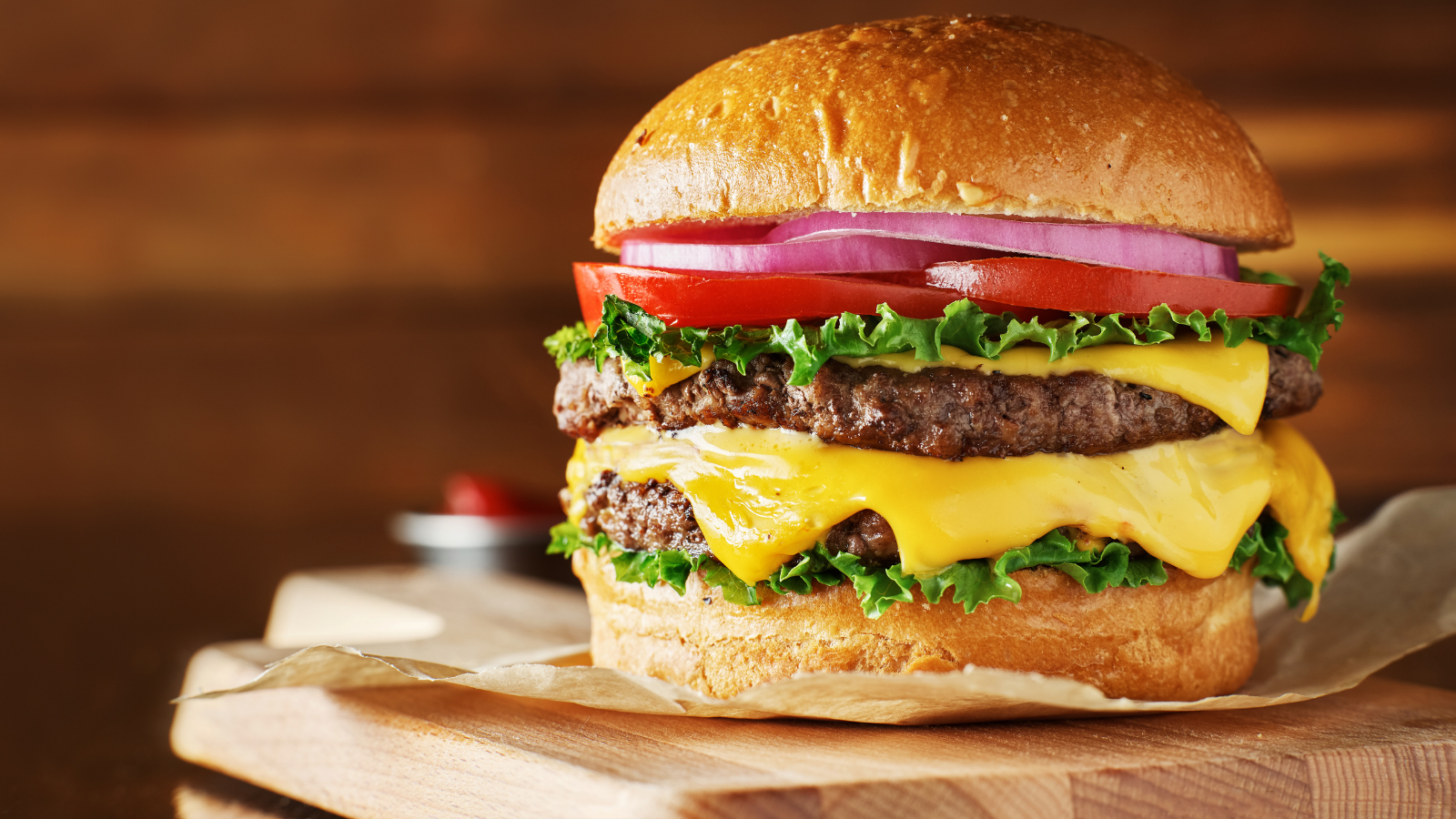
White Castle is often considered America’s first fast-food hamburger chain. It was founded in 1921 in Wichita, Kansas, by Walter Anderson and Billy Ingram. Its small, square “sliders” with steamed onions became famous, and the white castle-shaped buildings were easy to spot.
For boomers in the Midwest and Northeast, White Castle was a late-night favorite. People bought sacks of sliders by the dozen to share with friends. The White Castle shows how its methods helped shape the entire fast-food industry.
2. Krystal
Krystal is the Southern answer to White Castle. Founded in 1932 in Chattanooga, Tennessee, it served small square burgers with onions, mustard and a pickle on a steamed bun. The restaurants became a beloved part of life across the South.
Boomers in Georgia, Alabama, Tennessee and nearby states remember stopping at Krystal for cheap, tasty burgers. Many still order them by the bag today. Fans love to argue over whether Krystal or White Castle has the better slider.
3. Whataburger
Whataburger was founded in 1950 in Corpus Christi, Texas, by Harmon Dobson. His goal was to make a burger so big that customers would say “What a burger!” The chain became famous for its large burgers and its orange-and-white striped A-frame buildings.
For Texans, Whataburger is more than a restaurant; it’s a point of state pride. Boomers who grew up in Texas remember late-night trips for a burger and fries. Today, it has expanded to other states, but Texans still consider it their own.
4. In-N-Out Burger
In-N-Out Burger opened in 1948 in Baldwin Park, California, as one of the first drive-thru hamburger stands. Founders Harry and Esther Snyder kept the menu simple: burgers, fries, shakes and drinks. That simple menu has barely changed in more than 75 years.
Boomers who grew up in Southern California remember In-N-Out as a classic stop. Its “secret menu” items, like Animal Style burgers, have become legendary. Today, In-N-Out has spread to several Western and Southern states, but it still has a cult following.
5. Steak ‘n Shake
Steak ‘n Shake was founded in 1934 in Normal, Illinois, by Gus Belt. The restaurant became known for its “steakburgers” made from ground steak and its hand-dipped milkshakes. Its slogan “In Sight It Must Be Right” referred to customers being able to see their food being made.
Many boomers in the Midwest remember carhop service at Steak ‘n Shake. They’d park, order from their car and enjoy burgers and shakes delivered right to the window. The chain is still around, though it has changed a lot over the years.
6. Dick’s Drive-In
Dick’s Drive-In opened in Seattle in 1954 and quickly became a local legend. Known for its cheap burgers, hand-cut fries and thick milkshakes, it was a favorite for teenagers and families. The simple menu and walk-up windows gave it an old-school charm.
For boomers in the Seattle area, Dick’s is a nostalgic favorite. It’s still family-owned and operates a small number of locations in the region. Many locals say no trip home is complete without a Dick’s Deluxe.
7. Sonic Drive-In
Sonic began in 1953 in Shawnee, Oklahoma, as a root beer stand called Top Hat Drive-In. It later became Sonic, with the slogan “Service at the Speed of Sound.” Carhops on roller skates and drive-in stalls with speakers made it a fun destination.
Boomers in Oklahoma, Texas and nearby states grew up with Sonic’s burgers, tater tots and colorful slushes. Today, Sonic has locations across much of the country, but it still feels like a regional classic to many Southerners. Its happy hour drink deals remain popular.
8. Kewpee
Kewpee Hamburgers was founded in 1923 in Flint, Michigan, and at one time had locations in several states. It was one of the earliest hamburger chains, known for its simple burgers and the Kewpie doll mascot. Over time, most locations closed.
Today, a few Kewpee restaurants remain in Lima, Ohio, where they’re beloved local institutions. Boomers from that area remember stopping for burgers and frosted malts. Kewpee is a reminder of the early days of the American hamburger.
9. Burgerville
Burgerville was founded in 1961 in Vancouver, Washington, by George Propstra. It became known for using local ingredients, like Walla Walla onions and Oregon berries, long before that was trendy. The chain grew across the Pacific Northwest.
Boomers in Oregon and Washington remember Burgerville as a hometown favorite. Its seasonal milkshakes and onion rings drew loyal fans. Many locals still prefer it over national chains.
Why Regional Burger Chains Are So Beloved
Regional burger chains are tied closely to local identity and memories. For many boomers, they represent hometown pride and the carefree days of their youth. Eating at a regional favorite can feel like a trip back in time.
Many of these chains also kept their menus and traditions largely the same over the decades. That consistency makes them feel familiar and comforting. When people move away, these restaurants often become something they miss most about home.
Regional Favorites vs. National Giants
National chains like McDonald’s and Burger King grew rapidly in the 1950s and 1960s, spreading across the country. Many smaller regional chains couldn’t compete and disappeared. Those that survived often did so by staying true to their roots and building loyal local followings.
Today, some regional chains are expanding into new areas, introducing their burgers to new fans. Others remain small and local by choice. Lists of 1950s fast-food chains show just how many of these brands started in that same postwar boom.
A Taste of Home for Boomers
For boomers, these regional burger chains are more than places to eat. They’re tied to first jobs, first cars, first dates and nights out with friends. A single bite can bring back a flood of memories.
Whether it’s a sack of White Castle sliders, a Whataburger after a Friday night game or a Dick’s Deluxe on a Seattle summer evening, these chains hold a special place in American food history. And for many boomers, they’ll always taste better than anything served at a national chain.