9 Christmas Traditions Some Americans Think Have Gotten Out of Hand
Christmas has always come with its share of traditions, from hanging stockings to leaving cookies out for Santa. Over the years, though, many of those customs have grown bigger, louder and more expensive. What started as a simple family ritual can turn into a stressful project that eats up time, money and patience.
Plenty of Americans still love every bit of the season’s excess. Others, especially those who remember quieter Christmases from decades past, think some traditions have gone way too far. Here are nine Christmas traditions that spark plenty of eye-rolling and debate every December.
1. Christmas Decorations Going Up Before Halloween
It used to be that Christmas decorations appeared after Thanksgiving. Now, stores often start stocking ornaments and artificial trees before the Halloween candy has even sold out. Retail experts even have a name for it, Christmas creep.
Some families have followed the stores’ lead and put up their trees in early November. Supporters say they want to enjoy the decorations as long as possible. Critics, especially older Americans, feel it rushes past Thanksgiving and makes the season feel stale long before Dec. 25.
2. The Elf on the Shelf
The Elf on the Shelf started as a children’s book published in 2005, and it quickly became a nationwide tradition. Families move a small elf around the house each night, telling kids it reports to Santa on their behavior. Many parents have turned it into an elaborate nightly production.
Social media has raised the stakes, with parents posting creative setups featuring flour-covered elves, miniature zip lines and messy pranks. Some parents love the creativity, while others say it’s become one more exhausting chore. Plenty of grandparents wonder what happened to simply hanging a stocking.
3. Giant Inflatable Yard Decorations
Front yards across the country now feature enormous blow-up snowmen, Santas, reindeer and cartoon characters. Some are taller than the house, and many hum loudly all night long. On windy days, they can often be seen collapsed in a heap on the lawn.
Fans say inflatables are fun, easy to set up and a hit with kids. Critics think they look cheap compared with the classic lights and wreaths of years past. Neighbors sometimes find themselves quietly competing over who has the biggest display on the block.
4. Christmas Music Starting Nov. 1
Some radio stations now switch to all-Christmas music in early November, and many stores start playing holiday songs even sooner. For some listeners, hearing “Jingle Bells” while the leaves are still on the trees feels wrong. Others happily sing along from the first day.
Mariah Carey’s 1994 hit “All I Want for Christmas Is You” has become a symbol of the debate, since it climbs back up the charts every year. Fans celebrate its return, while critics groan at hearing it dozens of times a season. The arguments over when Christmas music should start are now a holiday tradition of their own.
5. Matching Family Pajama Photos
Matching Christmas pajamas have become a must for many families. Parents, kids, grandparents and even pets pose in coordinated plaid or reindeer prints for a holiday photo. Those pictures often end up on Christmas cards and social media.
Some people find the tradition sweet and fun, especially when it creates lasting memories. Others say the pressure to get the perfect photo has taken the joy out of Christmas morning. And many teenagers would happily skip the matching outfits altogether.
6. Light Shows That Rival Theme Parks
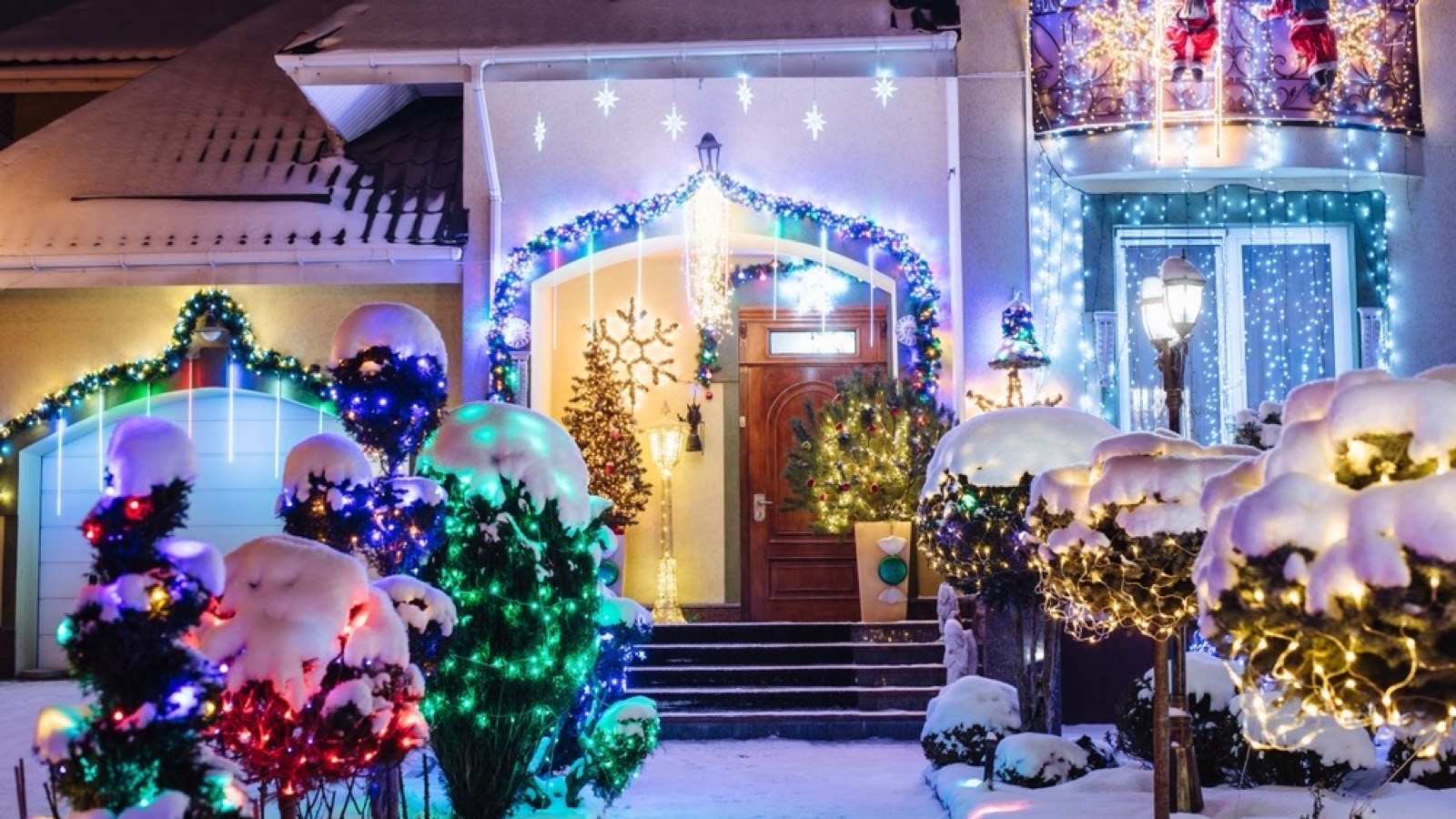
Hanging a few strings of lights on the house has turned into a major production for some homeowners. Elaborate displays with thousands of lights synchronized to music draw crowds and traffic jams on quiet streets. A few homes even end up on TV competition shows.
Neighbors often have mixed feelings about these displays. Some enjoy the festive atmosphere, while others are frustrated by bright lights shining into their bedrooms and cars lining the street every evening. For many older Americans, the simple glow of a single string of colored bulbs still feels like the real thing.
7. Expensive Advent Calendars
Advent calendars used to be simple paper countdowns with a picture or a small piece of chocolate behind each door. Today, stores sell advent calendars filled with beauty products, toys, gourmet snacks and even wine. Some of them cost well over $100.
Supporters say they make the countdown to Christmas more exciting. Critics see them as another way the holiday has become about buying things. Many parents who grew up with paper calendars find the price tags hard to believe.
8. Buying Gifts for Everyone
At one time, many families exchanged gifts only with immediate family and maybe a few close friends. Now, there’s pressure to give something to coworkers, teachers, coaches, neighbors, delivery drivers and even a child’s entire class. The list keeps growing year after year.
Many people say the endless gift-giving has made Christmas expensive and stressful. Some families have started drawing names or setting spending limits to keep things under control. Others are choosing to give experiences or homemade treats instead of more stuff, and skipping things not to buy on Black Friday helps some keep costs down.
9. Pricey Photos With Santa
Visiting Santa at the mall used to be a quick, inexpensive treat. Today, many malls and stores sell photo packages that can cost a substantial amount, and families often wait in long lines or book appointments in advance. Some locations even offer premium experiences with special backdrops and extra time with Santa.
Parents still love capturing their kids’ reactions to Santa, especially the classic photos of crying toddlers. But many wonder why a simple picture has become such an expensive outing. Some families have started taking their own photos at community events instead.
Finding the Joy Again
None of these traditions are bad on their own, and for many families they bring real happiness. The trouble starts when the pressure to do more takes over the reason for the season. Many people say they feel more stressed than joyful by the time Christmas arrives.
Some families are deciding to scale back and focus on the traditions that matter most to them. That might mean simple decorations, a smaller gift list or more time together instead of more stuff. For many Americans who remember the quieter Christmases of the past, like the days of the aluminum Christmas tree, simpler may truly be better.
In the end, every family gets to decide which traditions are worth keeping. If a custom brings joy, it’s worth holding on to. If it only brings stress, it may be time to let it go.