9 Things Boomer Wives Never Complained About That Younger Wives Would Never Accept
Women of the boomer generation, born between 1946 and 1964, mostly married in the late 1960s, 1970s and 1980s. They came of age during huge changes for women, from new laws about credit and jobs to a big shift in how many wives worked outside the home. Still, many of them accepted things in their marriages that younger wives today would push back on immediately.
That doesn’t mean boomer wives were weak or that younger women have it all figured out. Every generation makes trade-offs based on the world around them. But when boomer women compare notes with their daughters and granddaughters, the differences are striking. Here are nine things many boomer wives went along with that younger wives say they’d never accept.
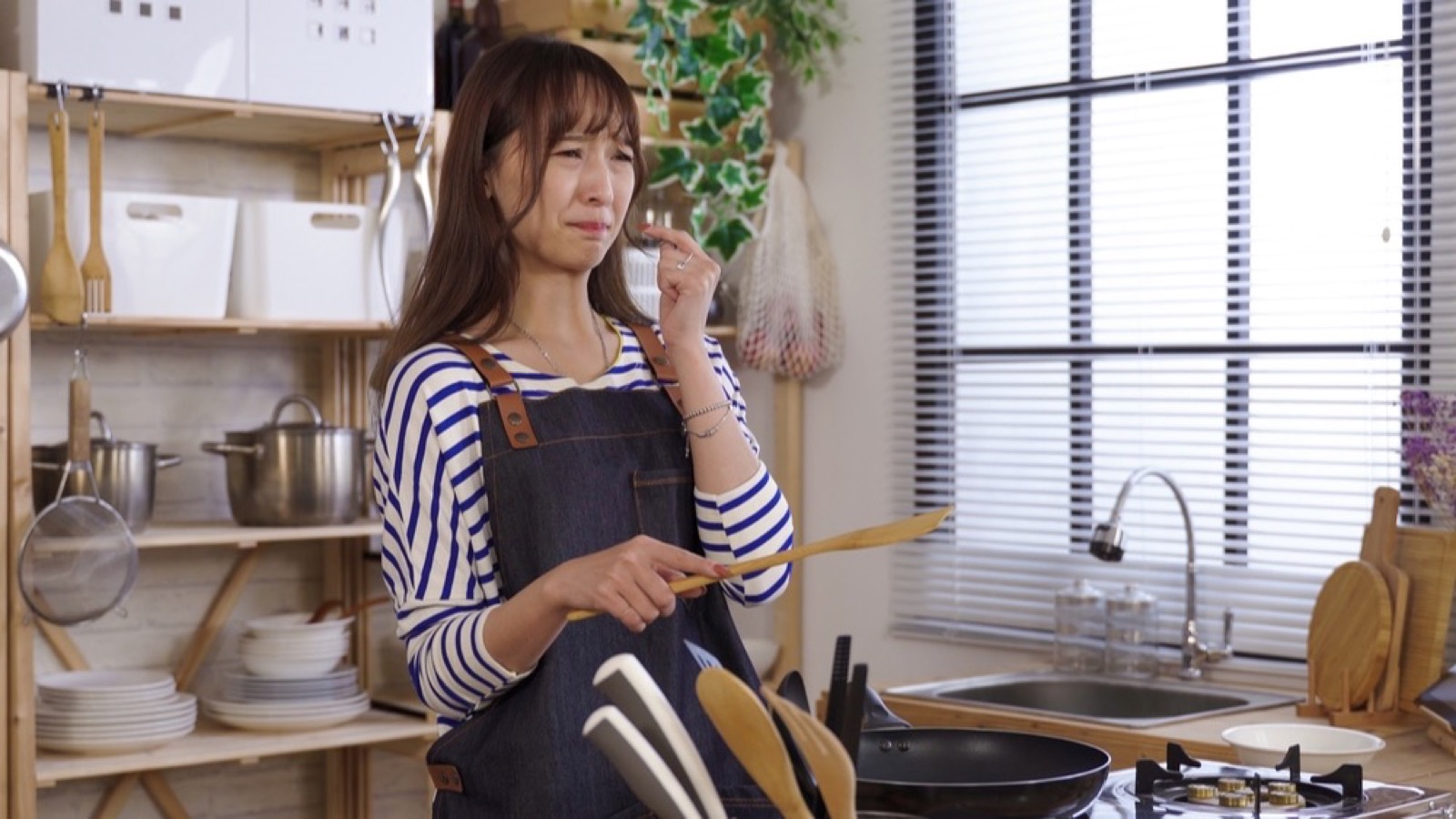
1. Working Full Time and Still Doing All the Housework
Many boomer women were among the first generation of wives to work outside the home in large numbers. But when they came home from the office or the factory, the cooking, cleaning, laundry and child care were often still waiting for them. Sociologists even gave it a name in the late 1980s: the “second shift.”
Younger wives today expect husbands to split chores far more evenly. Many couples divide tasks based on schedules rather than tradition. Plenty of boomer women say they’re glad their daughters won’t put up with what they did.
2. Needing a Husband’s Signature for Credit
Before the Equal Credit Opportunity Act was passed in 1974, many women found it difficult to get credit cards or loans in their own names. Banks often asked for a husband’s signature, even when the woman had her own income. Some early boomer brides lived with these rules in the first years of marriage.
Younger women can hardly imagine needing a man’s permission to open a credit card. Today, most wives have their own accounts and credit histories. Many boomer women who lived through those days say the change felt like a turning point.
3. Letting Him Handle All the Money
In many boomer households, the husband paid the bills, managed the savings and made the big financial decisions. Wives sometimes received a household allowance for groceries and other expenses. Some women didn’t know how much their husbands earned.
Younger couples are much more likely to manage money together or keep their own accounts. Many wives today expect full transparency about household finances. Boomer women who were widowed or divorced often say not knowing about the family’s money left them unprepared.
4. Moving Wherever His Job Went
When a husband got a promotion or transfer in another city, many boomer wives packed up the house and followed. Their own jobs, friendships and family connections often came second. It was simply expected that the husband’s career came first.
Younger couples are more likely to weigh both careers when deciding whether to move. Some turn down opportunities if the move doesn’t work for both partners. Others try long-distance arrangements or remote work.
5. Hosting Every Holiday Without Help
Boomer wives often planned, shopped for, cooked and cleaned up after every major holiday gathering. Their husbands might carve the turkey, but the rest of the work fell on her. It was part of the job of being a wife and mother.
Today’s younger wives are more likely to expect help, ask guests to bring dishes or skip hosting altogether. Many also split holidays between families instead of one woman doing it all. Some boomer women admit they’re a little envious.
6. Weekly Dinners With the In-Laws
In many boomer marriages, Sunday dinner at his mother’s house was a weekly obligation that wasn’t up for discussion. Wives spent their weekends with in-laws whether they enjoyed it or not. Complaining could cause a family rift.
Younger wives often set firmer boundaries with in-laws, deciding together with their husbands how much time to spend with each side. They’re also more willing to speak up when an in-law crosses a line. Boomer women sometimes say they wish they had done the same.
7. Taking His Last Name Without a Second Thought
For most boomer brides, taking a husband’s last name was automatic. It was rarely discussed or debated. Keeping a maiden name was unusual and could raise eyebrows with family members.
Most women in the U.S. still take their husband’s name, but it’s now a conscious choice. A Pew Research Center survey found that about 8 in 10 women in opposite-sex marriages took their husband’s last name, while others kept their own or hyphenated. Younger women are more likely to weigh the decision carefully.
8. Husbands Who Never Cooked
In many boomer homes, the kitchen belonged to the wife. Husbands might grill on weekends, but they rarely cooked a weeknight dinner or packed a school lunch. Some couldn’t boil an egg.
Younger wives generally expect husbands to share cooking duties or at least be capable in the kitchen. Many young husbands cook regularly and take pride in it. Boomer women who taught their sons to cook often say it was one of the best things they ever did.
9. Staying Home While He Went Out With the Guys
Many boomer husbands had regular nights out with friends, like bowling leagues, poker games or fishing trips. Wives often stayed home with the kids and didn’t expect the same freedom. Taking a girls’ weekend away was far less common.
Younger couples tend to expect both partners to have time for friends and hobbies. Wives plan trips with friends and expect their husbands to handle the kids while they’re gone. Boomer women who see their daughters doing this often cheer them on.
What Boomer Wives Say Now
Many boomer women look back on their early marriages with a mix of pride and honesty. They’re proud of the families they raised and the hard work they put in, often without much recognition. At the same time, many admit they wish they had spoken up more for themselves.
Some say their daughters’ generation has taught them a few things, too. Seeing younger women set boundaries has inspired some boomer wives to do the same, even late in life.
Different Times, Different Expectations
Boomer wives made their marriages work in a world that offered fewer choices for women. Many of them fought quietly for changes that their daughters now take for granted. Some of the things they accepted were simply the norm of the time, not a sign that they didn’t care about fairness.
Younger women today benefit from the progress boomer women helped make. Conversations between generations about marriage often reveal both admiration and lessons learned. For more on how marriage has changed, see these things boomer wives did that younger women won’t do.