10 Fast Food Lies You’ve Been Told That Are Hurting Your Health
Fast food is a cornerstone of modern convenience, but with its quick service and low prices, it’s easy to overlook the hidden dangers it poses.
For years, marketing campaigns have sold us the idea that fast food is a quick and harmless fix for our busy lives, but the reality is far different. What we’ve been told about fast food often isn’t the truth, and it’s affecting our health in ways we don’t realize.
Here are 10 Fast Food Lies You’ve Been Told That Are Hurting Your Health, and why you should rethink your next meal.
The Salad is a Healthy Option

When you’re looking to make a healthier choice at a fast food restaurant, salads often seem like the go-to option. But many fast food salads are far from healthy. Laden with calorie-dense dressings, fried toppings, and processed cheeses, they often end up being just as bad, if not worse, than a burger or fries.
Even though salads might seem like a lighter choice, they can be packed with hidden sugars, unhealthy fats, and excessive sodium, making them a poor option for anyone trying to eat healthy.
Grilled Chicken is Always Better Than Fried
Grilled chicken is often advertised as the healthier alternative to fried chicken, but that’s not always true. While grilled might sound like the better option, many fast-food grilled chicken items are marinated in unhealthy oils and loaded with sodium.
In fact, some grilled chicken sandwiches or wraps can have just as much fat and calories as their fried counterparts. What’s marketed as a healthier choice might still be packed with preservatives and unhealthy ingredients, making it not much better than the fried version.
Low-Fat Items Are Healthy

Many fast food restaurants offer “low-fat” versions of their menu items, leading many to believe these options are healthier. In reality, low-fat often means high sugar or high carbohydrate.
To make up for the lack of fat, these items are often loaded with artificial sweeteners or extra sugar, which can lead to insulin spikes and cravings. So, that “low-fat” sandwich or dessert might not be as healthy as it seems, and it could have a bigger impact on your health than you realize.
Fast Food is Fresh and Made-to-Order
Fast food chains often tout their meals as made fresh to order, but that isn’t the whole story. Most of the food served is pre-cooked, frozen, and then reheated, from chicken nuggets to fries.
Even when food appears fresh, it’s likely that the ingredients have been mass-produced and stored for a while before making their way to your table. The “fresh” label is often a marketing strategy, and the reality is that much of what you’re eating has been processed and frozen long before you even walk through the door.
Soda Doesn’t Really Impact Your Health That Much
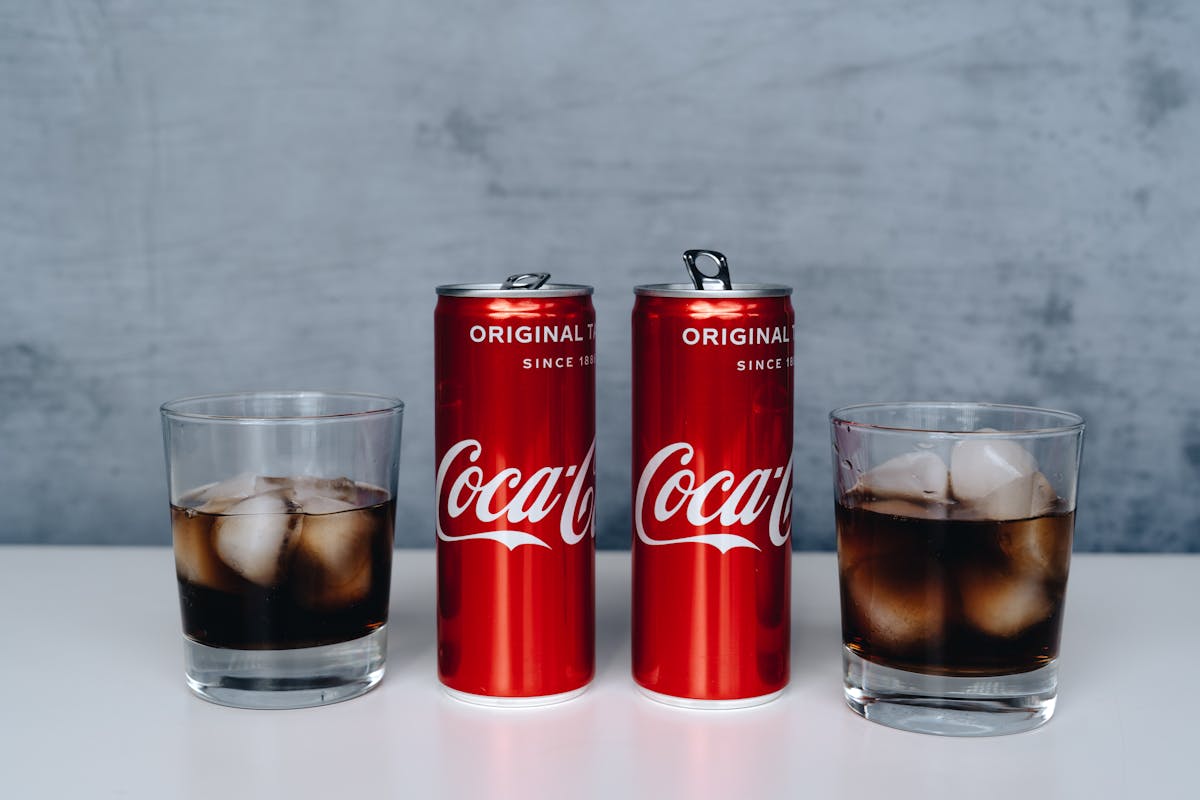
Soda is one of the most commonly consumed drinks in the fast food world, but it’s also one of the worst. Loaded with empty calories and high fructose corn syrup, soda can contribute to obesity, diabetes, and heart disease.
Despite this, many people continue to drink it with their meals without realizing just how harmful it is. Fast food chains often market soda as a “refreshing” choice, but the truth is that it’s doing far more damage to your body than you may think. The effects of sugary drinks on your health are far-reaching and long-lasting.
You Can’t Get Full on a Healthy Fast Food Meal
A common misconception about eating healthy at fast food restaurants is that it won’t satisfy your hunger. But many of the healthier choices at fast food places, when paired with whole grains, lean proteins, and plenty of veggies—can be just as filling as their calorie-dense counterparts.
The problem is that many healthy fast food options are often served in smaller portions or lack protein and fiber, leaving you hungry soon after eating. The idea that healthy meals can’t fill you up is a myth, and with the right choices, you can leave a fast food restaurant feeling satisfied and nourished.
Fast Food Only Hurts Your Waistline

While it’s true that fast food is often associated with weight gain, the consequences of regularly eating fast food go beyond just your waistline. Fast food is loaded with sodium, unhealthy fats, and refined sugars, which can wreak havoc on your heart, liver, and digestive system.
Eating fast food regularly is linked to an increased risk of chronic diseases, including type 2 diabetes, heart disease, and high blood pressure. The long-term health effects are far more concerning than just the short-term impact on your weight.
Eating Fast Food in Moderation is Fine
One of the most pervasive lies about fast food is that eating it in moderation won’t have a lasting impact on your health. While the occasional fast food meal might not immediately harm your health, most people don’t realize how frequently they are eating it.
A single meal might not be a big deal, but eating fast food regularly can lead to serious health problems over time. It’s easy to underestimate how often fast food becomes a staple in your diet, and the long-term effects of frequent consumption add up quickly.
The Kids’ Menu is Always the Best Option for Your Children
When dining with children, many parents turn to the kids’ menu, assuming it’s a healthier or more appropriately sized option. However, many of the meals offered to kids at fast food chains are just as unhealthy as the adult options.
Fried foods, sugary drinks, and processed snacks dominate the kids’ menu, which contributes to poor nutrition and childhood obesity. Fast food chains often prioritize convenience and cost over nutrition in children’s meals. If you’re looking for healthier options, it’s better to skip the kids’ menu and opt for a more balanced meal.
Eating Fast Food Doesn’t Affect Your Long-Term Health

The most dangerous lie about fast food is that it doesn’t have a long-term impact on your health. Many people think that eating fast food occasionally is harmless, but the reality is that even occasional consumption of highly processed foods contributes to poor health outcomes over time.
The high levels of salt, sugar, and unhealthy fats found in fast food are linked to chronic diseases, including heart disease, diabetes, and stroke. Even if you don’t see immediate effects, the long-term consequences can be devastating.
Conclusion
While fast food may be convenient, the lies that surround it have serious consequences for your health. From misleading claims about freshness and healthiness to the hidden dangers of its ingredients, the truth is that fast food is doing more harm than good.
By understanding these common myths, you can make more informed choices and take steps toward improving your overall health. Remember, fast food doesn’t have to be a regular part of your life.
By opting for whole foods, home-cooked meals, and balanced options, you can give your body the nourishment it deserves and break free from the lies that have been marketed to you for far too long.