10 Retirement Cities You Should Rethink Before Relocating
Retirement should be a time to unwind, enjoy life, and explore new surroundings, but sometimes the reality of moving to a “dream” destination falls short of expectations. Despite all the promises of sunny weather, scenic views, and a low cost of living, some of the most popular retirement cities in the U.S. turn out to be more disappointing than anticipated. For those planning to retire soon, it’s crucial to do more than just research vacation spots before settling in.
While many of these cities look great on paper, retirees often find they aren’t as fulfilling as expected. Here are 10 cities that retirees regret moving to, and why they may not be as ideal as they seem.
Nashville, Tennessee

Nashville has become a trendy retirement destination due to its music scene, cultural offerings, and southern charm. However, the rapid population growth has made it increasingly difficult to enjoy the city’s benefits without the downsides. Rising costs, overcrowding, and the growing tourism industry have led to frustrations among retirees. What was once seen as an affordable, welcoming city has turned into a crowded, overpriced area where infrastructure struggles to keep up with demand.
Austin, Texas
Austin is renowned for its music, culture, and youthful vibe, but for retirees, navigating the social scene can be difficult. Making new friends later in life is already a challenge, and some people find Austin’s social scene fragmented. Whether it’s the city’s younger population or the fast-paced, transient culture, retirees often struggle to form the lasting connections they expect in a retirement community. The city’s energetic lifestyle can feel out of place for those who want a slower pace in their golden years.
Charlotte, North Carolina

Charlotte is a city that frequently tops “best places to retire” lists, but some retirees feel disappointed by the lack of urban vibrancy. While it boasts proximity to mountains and beaches, the city’s suburban sprawl can make it feel less dynamic and lively. Walkability is limited, and those seeking a robust arts scene or a thriving food culture might find themselves underwhelmed. The city can feel like it’s missing the cultural and social vitality that many retirees crave.
Scottsdale, Arizona
Scottsdale is known for its luxury resorts, beautiful golf courses, and upscale lifestyle, making it a top contender for retirees. However, many residents find that the city’s population is primarily seasonal, with snowbirds leaving in the summer. This creates a transient community, making it harder to form lasting friendships and develop a sense of belonging. Although the city offers luxury amenities, the lack of year-round residents and community connections can leave retirees feeling disconnected.
Ft. Myers, Florida
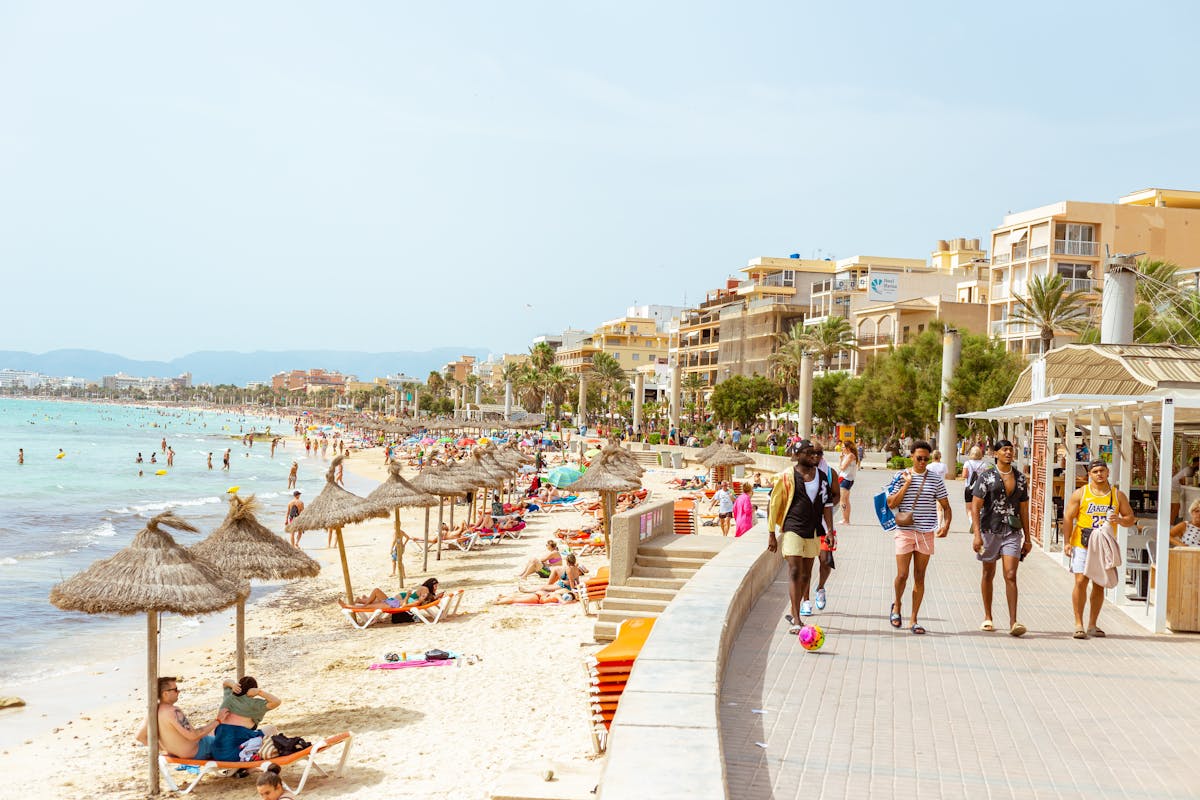
Florida is often the first choice for retirees, and Ft. Myers, with its beaches, sunshine, and vibrant community of fellow retirees, seems like a no-brainer. However, many retirees quickly find that the allure of sunny days doesn’t make up for the isolation they experience. With family often living far away, frequent visits become costly, and the lack of deep, lasting relationships can make life feel lonely over time. The warm weather and beaches might be ideal for vacations, but for everyday living, the distance from loved ones may outweigh the appeal.
Las Vegas, Nevada
Las Vegas promises no state income tax and endless entertainment, but for retirees, the summer heat can be a dealbreaker. While the idea of year-round sunshine is appealing, the reality of extreme temperatures can make outdoor activities unbearable during the hottest months. What was once seen as a fun, energetic environment can turn into a hot, barren wasteland where staying indoors is the only option. For many retirees, the thrill of Vegas gets lost in the suffocating heat and lack of outdoor recreation options.
Grand Junction, Colorado

For those who enjoy outdoor recreation, Grand Junction is an appealing option, thanks to its stunning landscapes and abundant hiking opportunities. However, retirees may find that the novelty of the outdoor lifestyle fades over time. The extreme summer heat, limited indoor activities, and geographic isolation can wear thin, leaving many feeling disconnected. Travel to see family can be inconvenient and costly, and what was once a beautiful, quiet place to retire can feel like a remote, difficult-to-reach outpost.
Omaha, Nebraska
Omaha’s low cost of living and quiet lifestyle are attractive to some retirees, but the harsh winters can quickly sour the experience. Additionally, the city lacks the cultural amenities and social vibrancy that many retirees seek. Though affordability is appealing, the long, cold winters, limited social activities, and a less-than-thrilling lifestyle can make Omaha feel isolating and limiting, especially compared to more popular retirement destinations.
Naples, Florida
Naples is often marketed as a luxurious retirement haven, complete with pristine beaches, fine dining, and high-end shopping. While it may seem like a perfect destination for affluent retirees, the high cost of living, expensive HOA fees, and the city’s exclusivity can make it impractical for many. The area is not as walkable as it seems, and the lack of affordable activities or spaces can make life more difficult than initially imagined. Retirees quickly realize that while Naples offers a posh lifestyle, it comes at a high financial and social cost.
Chicago, Illinois
Chicago is known for its culture, food, and world-class amenities, making it a desirable city for retirees. However, the high costs of living, heavy traffic, and high taxes can quickly dampen the excitement. For retirees living on fixed incomes, the financial pressure of big-city living can outweigh the benefits of urban amenities. The constant hustle and bustle of city life can feel stressful and exhausting, and its beauty can quickly be overshadowed by everyday challenges.
Conclusion
Retirement is one of the most important stages of life, and choosing the right place to spend it requires careful thought. While many of these cities may seem perfect on the surface, the reality often falls short of expectations. Whether it’s the weather, the social scene, or the cost of living, retirees may find that the dream of their retirement destination doesn’t live up to the reality.
Before deciding to make a move, it’s essential to carefully research not just the city’s features but also how well it aligns with personal goals and lifestyle preferences. Rent before buying, explore the area across all seasons, and take the time to build connections before making long-term commitments. A successful retirement relies on finding not just the right city, but the right community to make it feel like home.