Chinese Snack and Drink Chains Are Expanding Across the U.S.
A new wave of Chinese snack and beverage brands is entering the U.S. market, bringing fresh competition to the country’s crowded landscape of bubble tea shops, coffee chains, dessert stores, and fast-casual restaurants. Companies such as Mixue, HeyTea, Chagee, and Luckin Coffee are expanding their presence in American cities, introducing products built around tea, coffee, fruit drinks, ice cream, and quick-service snacks. Their growth reflects a broader trend of Chinese food and beverage companies looking beyond their domestic market for new customers.
The expansion is especially visible in major food and beverage markets such as California, New York, and Texas, where consumers are already familiar with Asian flavors and beverage trends. However, entering the U.S. market requires more than simply opening stores. These brands must adapt their menus, supply chains, store designs, staffing models, and marketing strategies to fit local expectations while competing against established operators.
Bringing Chinese Beverage Culture to American Consumers
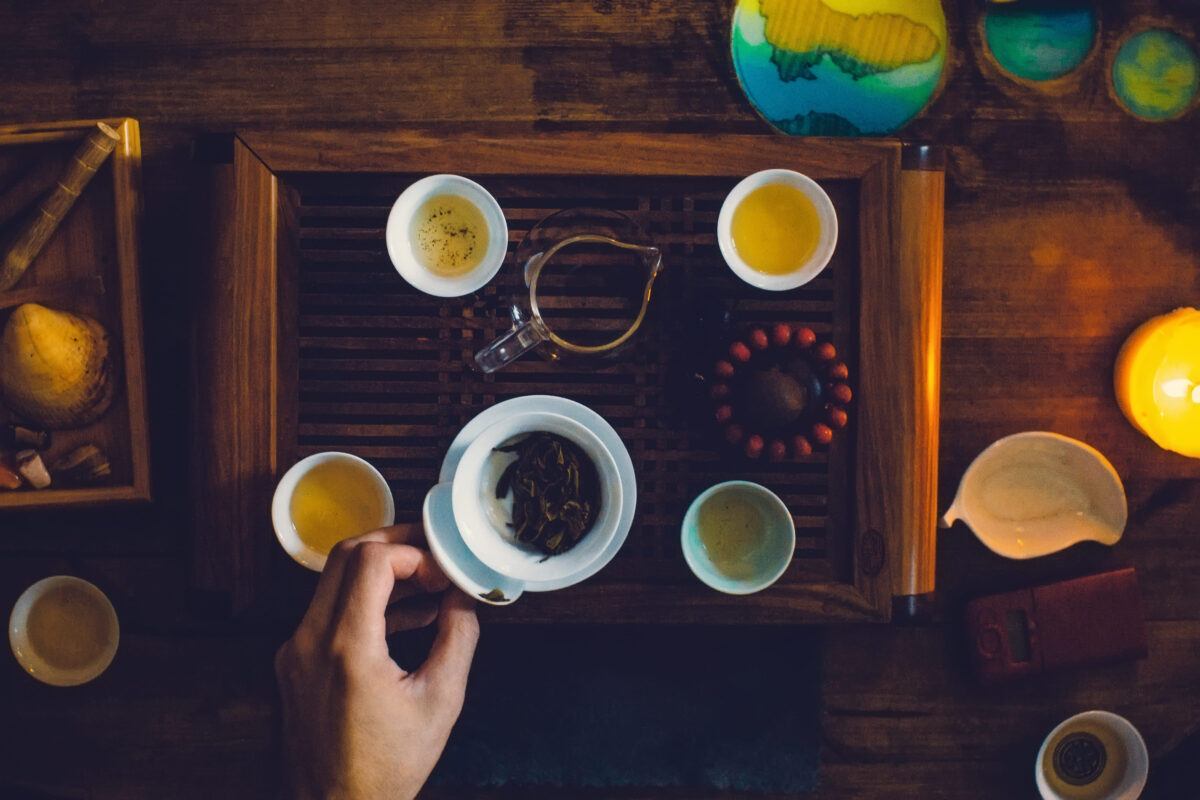
Many Chinese chains expanding into the United States are part of the “new-style tea” movement, which blends traditional tea culture with modern flavors, customizable options, and visually appealing presentations. Unlike older tea shops that often focused mainly on traditional drinks, these brands frequently offer fruit teas, milk teas, specialty coffees, and dessert products designed for younger consumers and social media sharing.
Mixue, one of the most recognizable examples, built its international reputation through affordable ice cream, tea drinks, fruit beverages, and coffee. The company opened its first U.S. store in Los Angeles, California, introducing a menu that includes soft-serve ice cream, milk tea, fruit tea, lemonade, and coffee.
Other brands are taking different approaches. HeyTea focuses on premium tea-based drinks with creative flavors and a more upscale image, while Chagee emphasizes high-quality tea beverages and a café-style environment. Luckin Coffee has attracted attention with its technology-driven model, including app-based ordering and a focus on speed and convenience.
Adapting Menus for American Tastes
One of the biggest challenges for international food brands is deciding how much to adapt their products for local customers. A menu that succeeds in China may not automatically appeal to American consumers, who have different expectations around sweetness, portion sizes, ingredients, and ordering habits.
Chinese beverage chains have experience customizing products in overseas markets, and many are adjusting their U.S. menus as well. Beverage customization, including options for sugar levels, toppings, and flavors, has become an important feature because American customers are already familiar with personalized drinks from the existing bubble tea and coffee industries.
Mixue, for example, offers customizable sweetness levels and toppings, letting customers adjust drinks to their preferences. This approach fits well with the broader U.S. beverage market, where customers often expect control over ingredients and preparation.
However, adaptation does not always mean changing everything. Many brands are also using their Chinese identity as part of their appeal. Traditional tea influences, unique flavors, and distinctive branding can help these companies stand out in a market where consumers are constantly searching for new experiences.
Competing in a Crowded U.S. Market
The U.S. beverage industry is already highly competitive. Chinese chains entering the market face established bubble tea operators, coffee companies, dessert brands, and fast-casual restaurants with loyal customer bases.
Bubble tea has become a mainstream category in many American cities, with brands such as Gong Cha and other regional operators already serving customers who are familiar with milk tea, fruit tea, and specialty toppings. Chinese newcomers must convince consumers why their products offer something different.
Price is one strategy many brands are using. Mixue has built its global expansion around affordability, using a streamlined menu and supply chain approach to keep prices low compared with many competitors. The company’s large franchise network and supply operations have supported rapid international growth.
At the same time, low prices alone may not guarantee long-term success in the United States. Brands must also build customer loyalty, maintain product consistency, and create store experiences that match local expectations.
Managing Supply Chains and Operations
Expanding internationally requires significant changes to logistics and sourcing. Food and beverage companies must ensure they can maintain ingredients, packaging, equipment, and quality standards across countries.
Chinese chains often rely on centralized supply systems that help standardize products across locations. This model has supported rapid expansion in Asia, but U.S. operations may require adjustments because of differences in regulations, transportation costs, labor markets, and supplier networks.
Food safety requirements and employment regulations also create operational challenges. Companies entering the United States must follow federal, state, and local rules related to food handling, employee wages, workplace conditions, and business operations. These requirements can influence everything from store design to staffing decisions.
The Role of Technology and Branding
Many Chinese beverage chains are bringing technology-focused approaches to the U.S. market. Mobile ordering, digital menus, loyalty programs, and streamlined store layouts are common features among newer Asian beverage brands.
Luckin Coffee, for example, became known in China for its technology-focused approach and app-based ordering system. Its U.S. expansion reflects a broader effort by Chinese brands to use digital tools to improve convenience and attract younger customers.
Brand identity is another major factor. Some companies use distinctive mascots, colorful store designs, and collectible packaging to create stronger connections with customers. Mixue’s Snow King mascot has become a recognizable part of its global branding strategy.
What Comes Next for Chinese Food and Beverage Brands
The expansion of Chinese snack and drink chains across the United States represents a shift in the global food industry. For decades, American brands such as Starbucks and McDonald’s expanded internationally and influenced food culture worldwide. Now, Chinese companies are increasingly bringing their own concepts, flavors, and business models to American consumers.
These brands’ success will depend on how well they balance authenticity with adaptation. They will need to preserve the qualities that made them successful in China while understanding American customers’ preferences.
For local markets in California, New York, Texas, and other regions, the arrival of these chains adds more choices for consumers and increases competition among beverage and snack operators. Whether these brands become long-term fixtures in the U.S. food scene will depend on their ability to deliver consistent quality, manage costs, and build relationships with local customers.