8 Things to Check Before Your Next Domino’s Order
Domino’s has become a familiar name for anyone craving a quick pizza night. Whether you’re ordering dinner after a long day, feeding the family during movie night, or grabbing a few wings for game day, the pizza chain makes getting food relatively convenient.
But before you place your next order, a few things are worth considering.
From surprisingly high sodium levels in certain menu items to changing promotional deals, delivery charges, and food-safety concerns at individual locations, Domino’s has some details customers may want to consider. That doesn’t mean every Domino’s restaurant has a problem or that you should never order from the chain again. However, knowing what goes into your food and what you’re actually paying for can help you make smarter decisions.
Here are eight things to check before your next Domino’s order.
Some Sandwiches Contain More Sodium Than You Might Expect
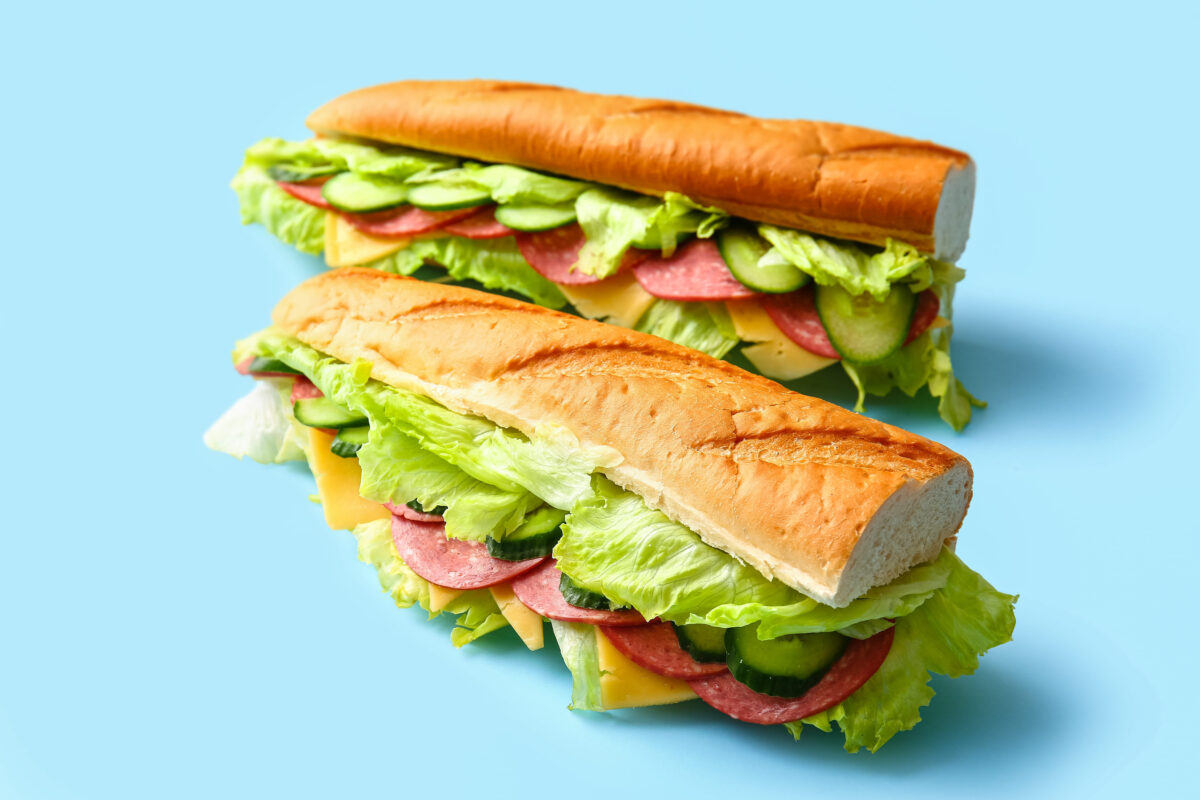
Pizza isn’t the only menu item that deserves a closer look. Some of Domino’s sandwiches contain surprisingly high amounts of sodium, especially when you eat the entire sandwich rather than the listed serving.
According to Domino’s July 2026 U.S. nutrition guide, its Italian sandwich contains 1,520 milligrams of sodium per half sandwich. That means eating the entire sandwich brings the total to approximately 3,040 milligrams.
For perspective, the FDA recommends that people aged 14 and older consume less than 2,300 milligrams of sodium daily. In other words, one whole Italian sandwich can exceed that daily reference amount.
Other options aren’t necessarily much lighter. A whole Buffalo Chicken sandwich contains approximately 2,500 milligrams, while the Philly Cheese Steak contains around 2,400 milligrams.
The important thing is to check the serving size before ordering. That little nutrition number beside a menu item might represent only half of what you’re planning to eat.
Serving Sizes Can Make Calories Easy to Misjudge
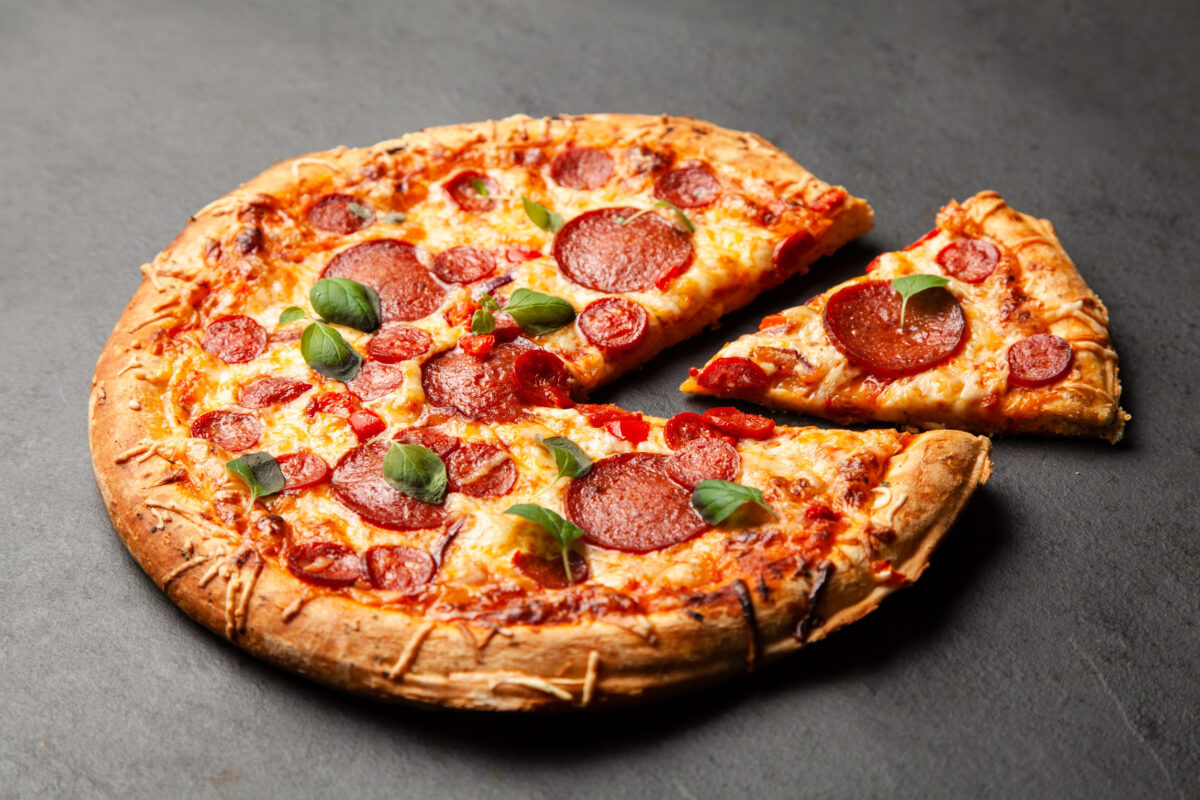
Have you ever looked at a pizza’s calorie information and thought it seemed surprisingly reasonable? There’s something worth checking before you decide: the serving size.
Domino’s uses different serving fractions for different pizzas. One serving of a medium Hand Tossed pizza represents one-eighth of the pizza, while one serving of a Crunchy Thin pizza represents one-quarter.
According to its July 2026 nutrition guide, a medium cheese Hand Tossed pizza contains approximately 200 calories per eighth. Eating half the pizza brings that to approximately 800 calories.
Meanwhile, a medium Crunchy Thin cheese pizza contains approximately 315 calories per quarter. Eating half brings the total to approximately 630 calories.
Saturated fat also deserves attention. Half of the Crunchy Thin pizza contains approximately 16 grams, compared with 14 grams for half of the Hand Tossed pizza.
The lesson? Don’t compare nutrition numbers without checking how much pizza each serving represents. If you’re ordering for yourself, looking at the whole pizza or the number of slices you intend to eat gives you a much clearer picture.
The Ingredient List Includes More Than Just Basic Pizza Ingredients
A pizza might look simple from the outside, but its ingredient list can tell a different story.
Domino’s publishes ingredient information for its U.S. menu, and some products contain preservatives, flavorings, dough conditioners, and stabilizers.
For example, its thin-crust dough lists calcium propionate and L-cysteine monohydrochloride. Its pizza cheese includes ingredients such as modified food starch and cellulose. The Garlic Oil Blend also lists artificial flavor and TBHQ.
Does this automatically mean the food is dangerous? No. The presence of an additive does not mean a particular food causes harm, and available research does not show that Domino’s ingredients are toxic.
Still, customers who prefer shorter ingredient lists or want to avoid particular additives may want to read the disclosures before ordering.
Interestingly, not everything on the menu comes with a long ingredient list. Domino’s also identifies relatively straightforward vegetable ingredients, including fresh mushrooms, green bell peppers, and yellow onions.
Promotional Deals May Not Be as Cheap as They First Appear
Domino’s is known for advertising attractive deals, but the price shown in a promotion isn’t always what you’ll pay.
Take the Mix & Match deal. Domino’s advertised eligible items for $5.99 each in January 2020. The promotional price later increased to $6.99, which was still the advertised starting price in August 2026.
That’s a nominal increase of about 16.7%.
Another detail customers should remember: the $6.99 promotion requires ordering at least two eligible items. That means your food subtotal starts at $13.98 before taxes, delivery charges, and other extras.
Some upgrades can also increase the price. During a January 2026 promotion, Domino’s advertised a large two-topping carryout pizza for $6.99, but choosing Parmesan Stuffed Crust added another $3.
Suddenly, that advertised pizza costs $9.99 before tax.
Promotional restrictions aren’t wrong, but customers should read the terms instead of assuming every item on the menu qualifies for the lowest advertised price.
Delivery Fees and Extra Charges Can Change Your Final Bill
Ordering pizza online is convenient, but the checkout page can sometimes deliver an unpleasant surprise.
Domino’s explains in its ordering terms that delivery charges are separate from tips paid to drivers. It also notes that delivery minimums, charges, prices, and participation vary by location.
This means two customers ordering similar meals in different areas might not necessarily pay the same final amount.
Delivery charges also aren’t automatically a payment to the person bringing your food. Domino’s explicitly states that its delivery charge is not a driver tip.
Before completing your purchase, check the food subtotal, delivery charge, taxes, optional upgrades, and tip separately.
A few extra dollars might not seem like much at first, but they can make a supposedly inexpensive meal much more expensive.
Some Customers Have Reported Incorrect Orders and Delivery Problems
Getting excited about pizza only to receive the wrong order is frustrating. Unfortunately, customer complaints show that Domino’s restaurants have experienced some service-related problems.
For example, a Better Business Bureau complaint filed in August 2026 described an order placed on July 31 that allegedly took nearly an hour and arrived with missing toppings and other errors.
Another complaint described an order placed in June 2026, with the customer alleging that the delivery estimate eventually reached approximately three hours.
ConsumerAffairs reviews also include complaints about missing toppings, missing sauces, and refund difficulties.
However, these reports need context. They represent individual customer experiences, not verified evidence that every Domino’s location regularly makes mistakes.
In fact, the American Customer Satisfaction Index gave Domino’s a score of 79 out of 100 in 2026, up from 78 in 2025. That matched the quick-service restaurant industry average.
Still, checking recent reviews of your local restaurant before placing a large order can be worthwhile.
Food-Safety Violations Have Been Reported at Individual Locations
A recognizable restaurant brand doesn’t automatically guarantee that every location operates perfectly.
In September 2026, Baltimore health officials temporarily closed a Domino’s restaurant at 4101 Falls Road because of improper sewage disposal and repeat violations. The restaurant received approval to reopen the following day.
Another incident occurred in Northeast, Pennsylvania. A November 2026 inspection reportedly identified fruit flies, expired food, undated containers, and other concerns at a Domino’s location on West Main Street. The restaurant was reportedly reinspected and reopened the same day.
In Fort Worth, Texas, a May 2026 inspection identified a lack of hot water at another Domino’s restaurant, requiring the establishment to close until the issue was corrected.
These incidents are worth knowing about, but they shouldn’t be mistaken for proof that all Domino’s restaurants have food-safety problems.
Restaurants are inspected individually, and violations can be corrected. If you’re concerned, checking local health inspection records is a practical way to learn more about the restaurant serving your food.
Its Gluten-Free Pizza Isn’t Recommended for People With Celiac Disease
Domino’s offers gluten-free crust, which might sound like a convenient option for customers avoiding gluten.
However, there’s an important distinction between a gluten-free crust and a completely gluten-free finished pizza.
According to Domino’s own gluten-free information, its crust is manufactured to contain less than 20 parts per million of gluten. But the company prepares pizzas in shared kitchens using shared ingredients and utensils.
Because of the possibility of cross-contact, Domino’s does not recommend its gluten-free-crust pizza for people with celiac disease.
That’s an important detail to understand before ordering.
The company also identifies certain sauces, including Alfredo sauce, as containing gluten. So simply choosing a different crust doesn’t automatically make every topping or sauce suitable.
Domino’s deserves credit for communicating this limitation clearly, but customers with celiac disease should take the warning seriously rather than assuming the menu label guarantees a suitable meal.
The Bottom Line
Domino’s remains a convenient option for pizza lovers, and none of these concerns means every restaurant or menu item should be avoided.
However, customers have good reasons to pay closer attention to what they’re ordering. Sodium levels, serving sizes, ingredient preferences, promotional restrictions, delivery charges, and local restaurant records can all affect the experience.
The smartest approach isn’t necessarily to stop ordering pizza. It’s to know what you’re getting before you pay for it.
A quick look at the nutrition guide, ingredient list, promotional terms, and local restaurant reviews could save you from an expensive or disappointing dinner.