Thank-You Note Writers Often Share These 7 Quiet Traits
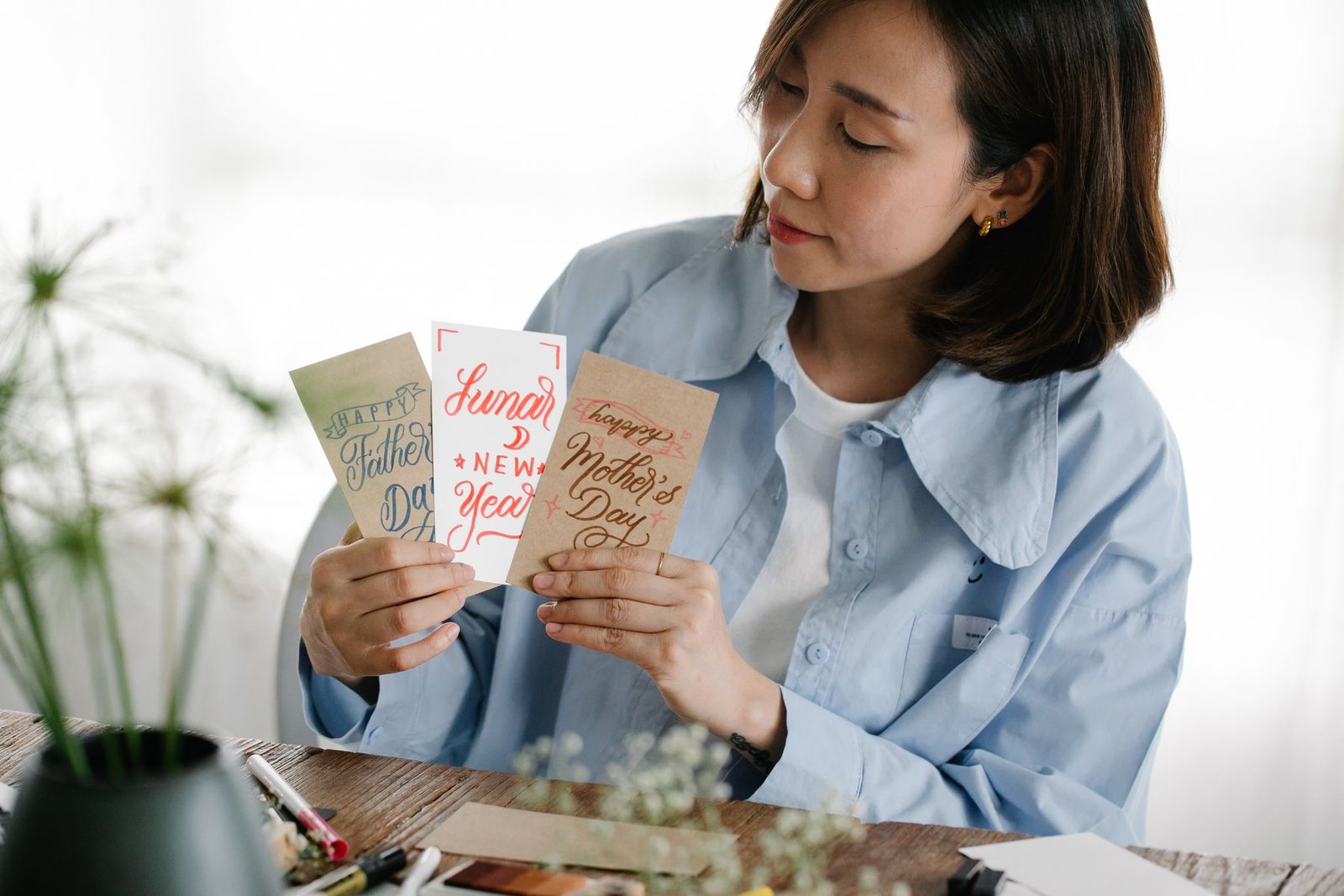
The turkey is barely cold and the holiday card aisle is already packed, but some people are reaching for something smaller: a plain note card, a decent pen and a single stamp. They are the friends who mail a few lines after a dinner party, a birthday gift or a favor everyone else forgot about by Tuesday.
It is easy to call that old-fashioned. Spend time around people who still do it, though, and you start to notice the same habits showing up again and again. Here are seven traits that seem to travel with the thank-you note crowd.
1. They Notice the Small Stuff
A thank-you note forces you to be specific. “Thanks for the gift” turns into “the blue scarf goes perfectly with my winter coat,” and that habit of noticing spills into everyday life. These are the people who remember your dog’s name, ask how the new job is going and spot right away that you rearranged the living room.
That eye for detail stands out more every year, since thank-you notes are quietly disappearing from a lot of households. When fewer people bother, the ones who still do get remembered.
2. They Know Their Words Matter More Than They Think
Research backs them up. In a 2018 study published in Psychological Science, researchers from the University of Chicago and the University of Texas at Austin asked people to write letters of gratitude, then checked in with the people who received them. As the University of Chicago reported, writers consistently underestimated how surprised and pleased the recipients would be, and overestimated how awkward the whole thing would feel.
Habitual note writers seem to have figured that out on their own. They don’t agonize over perfect wording because they know the warmth of the gesture is what actually lands.
3. They Keep a Little Kit Ready
Ask a dedicated note writer where the stationery is and they can usually point to a drawer without thinking. Cards, stamps, a good pen and an address book all live together, which is exactly what the Emily Post Institute suggests for anyone who struggles to get notes out the door. The etiquette experts point out that a note can be about three sentences long, and addressing an envelope takes roughly a minute longer than firing off an email.
That bit of planning shows up elsewhere, too. These are the same folks who already know the last days to mail Christmas cards and gifts this year before most of us have found the tape.
4. They Are Comfortable Being a Little Out of Step
Mailing a card in a world of texts and emoji takes a certain quiet confidence. Note writers don’t need everyone to do things their way, and they don’t mind looking a bit old-school. It is the same steady self-assurance behind the things women who know their worth do that others sometimes mistake for rudeness. They simply decide what matters to them and do it.
5. They Hold On to Good Rituals
Plenty of everyday customs have slipped away over the years, from Sunday phone calls to printed photo albums. Many little rituals from the ’80s and ’90s disappeared without much notice, but the thank-you note survived in the hands of people who refuse to let it go. They tend to keep other traditions alive, too, like the family stuffing recipe or the yearly call to an old college roommate.
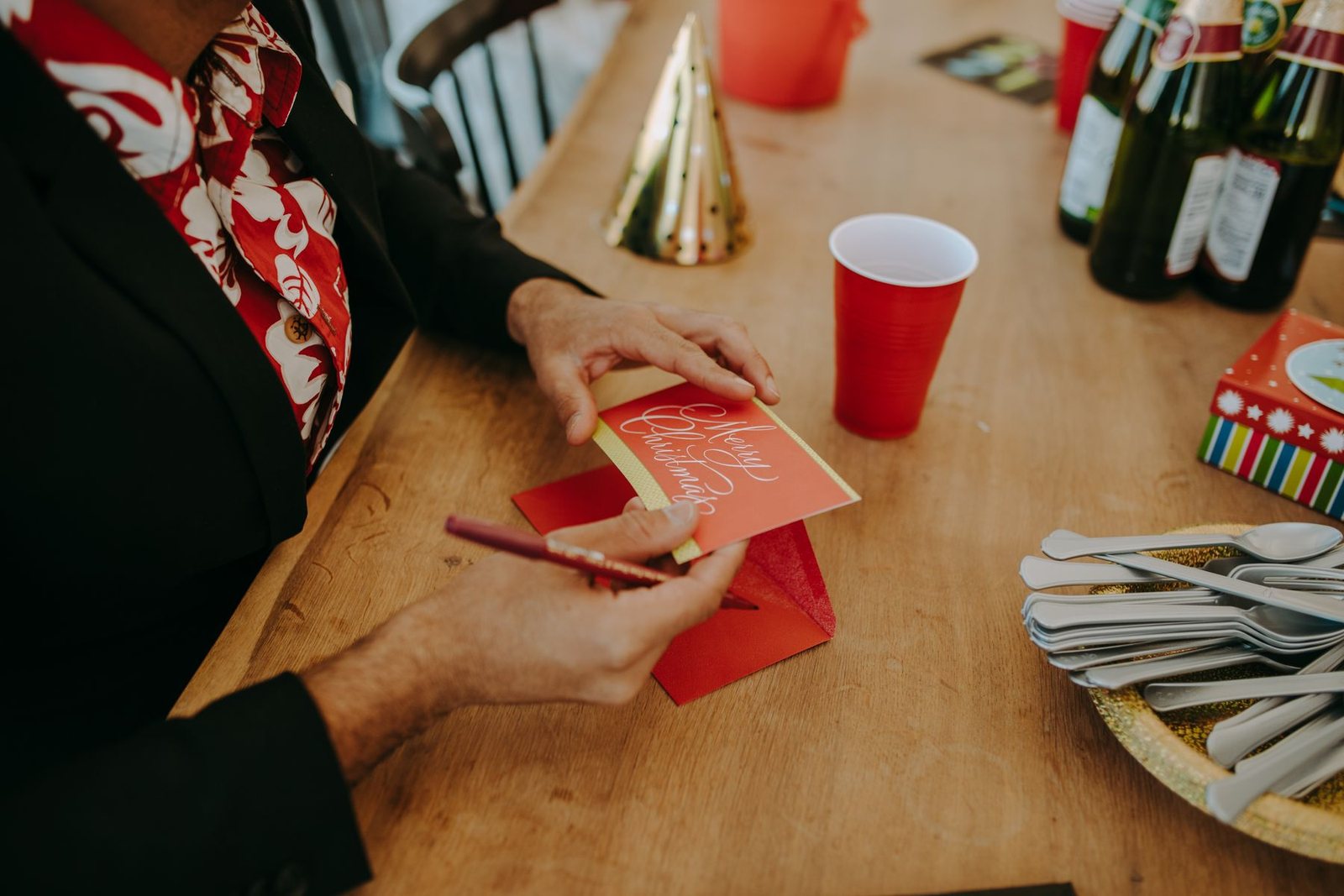
6. They Think About the Other Person’s Side
Writing a good note means picturing how it feels to open it. That bit of empathy is a big reason note writers tend to be thoughtful guests and generous hosts. They are perfectly happy to question social norms that probably should be abandoned, but saying thank you will never make that list.
They also understand that gratitude isn’t really about the gift. A note for a borrowed ladder or a ride to the airport can mean as much as one for a fancy present, sometimes more.
7. They Finish What They Start
A note that sits unsigned on the counter for three weeks doesn’t count. People who keep this habit tend to close loops in general. They return the casserole dish, RSVP on time and pay back the twenty dollars they borrowed at lunch. Keeping notes short helps here, because a three-line card that gets mailed beats a heartfelt page that never leaves the house.
That follow-through quietly shapes the people around them, too. Friends and family learn that a kindness will be noticed, and that tends to make everyone a little more generous the next time around.
If there is a stack of blank cards hiding in your junk drawer, the weekend after Thanksgiving is a lovely time to use one. A few honest sentences, a stamp and a trip to the mailbox are all it takes to join the club.