Iran’s ‘Trump Must Not Live’ Threat Sparks Global Alarm as Tehran’s Revenge Campaign Intensifies
A chilling message from Iran’s most hardline media circles has pushed the already fragile U.S.-Iran relationship into another dangerous chapter. Within just 24 hours, three major developments captured worldwide attention: an Iranian newspaper published a direct threat against President Donald Trump, Trump publicly said he believes he remains a target for Iranian retaliation, and security concerns increased as tensions between Washington and Tehran continued rising.
The controversy now revolves around one newspaper, one influential political network, and one American president caught at the center of a decades-old conflict. Kayhan, a conservative Iranian newspaper connected to the country’s hardline establishment, published language targeting Trump as Tehran continues to face the political and military consequences of its confrontation with the United States.
The timing has made the situation especially volatile. Three major factors the death of Iran’s longtime leader, Ayatollah Ali Khamenei; renewed military tensions; and Trump’s overseas travel have collided at the same moment, creating a crisis that has drawn attention from governments, security officials, and millions of Americans watching the developments unfold.
Iran Newspaper’s Threat Against Trump Triggers New Security Concerns
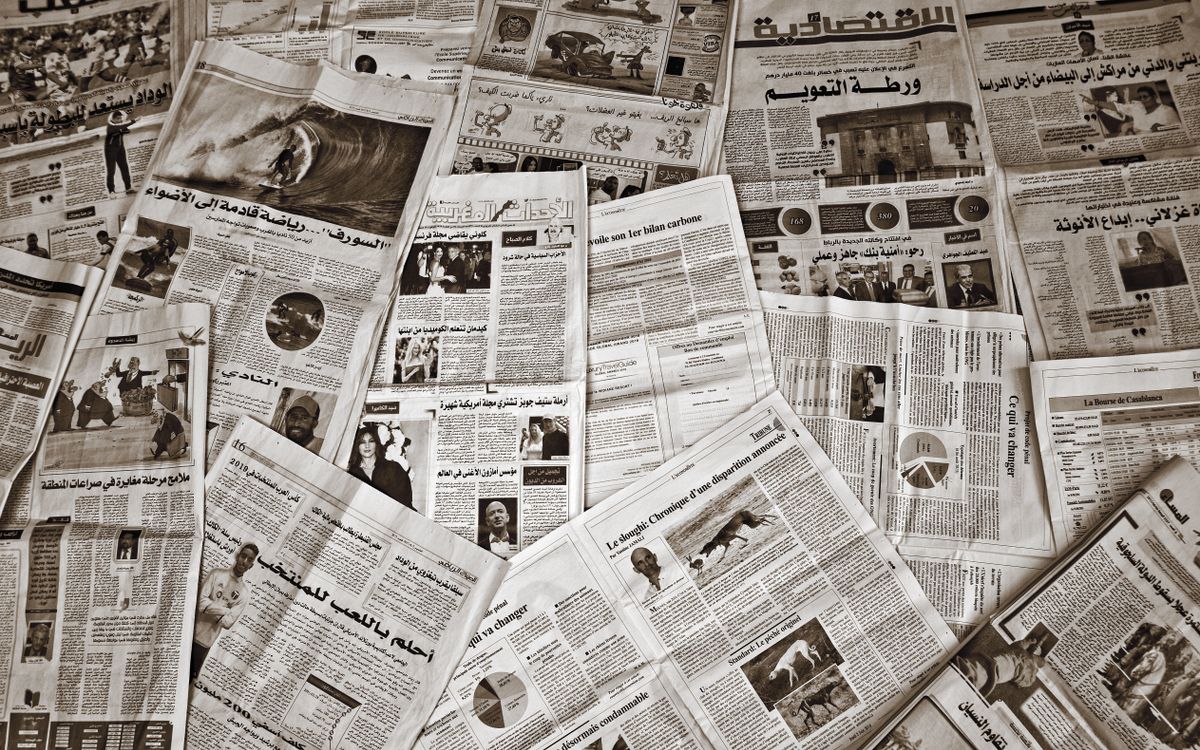
The controversy began when Kayhan published a front-page message directed at Trump, using extreme language that called for his death and demanded what it described as revenge against the U.S. president.
The statement’s importance stems from Kayhan’s position within Iran’s political environment. The newspaper is not considered an ordinary publication operating independently from the country’s power structure. Its editor, Hossein Shariatmadari, has long been viewed as closely aligned with Iran’s supreme leadership, giving the publication’s statements additional political weight among hardline supporters.
The message gained international attention because it appeared during a period when Iran was already experiencing intense political pressure. The threat arrived after the death of Khamenei, during national mourning ceremonies, and while military tensions with Washington remained high.
The situation involves three separate but connected issues: a hardline newspaper using violent language, political factions demanding retaliation, and international concerns about whether such rhetoric could increase the risk of further escalation.
However, there is a critical difference between inflammatory statements and confirmed government action. While the newspaper’s language has raised alarms, there is no publicly confirmed evidence showing that Iran’s government has officially ordered an assassination attempt against Trump.
Still, intelligence and security agencies often monitor these threats closely because history has shown that violent rhetoric can become more dangerous when combined with political instability, military conflict, and public anger.
Trump Says Iran Threats Have Put Him in the Spotlight
The controversy intensified when Trump addressed the threats during diplomatic meetings in Ankara, Turkey.
Trump said he believes he remains a major target for Iran and acknowledged that his position carries significant risks. His comments shifted the tone of the situation, making the confrontation less about governments alone and more about a direct personal threat to the U.S. president.
The hostility between Washington and Tehran has lasted for more than 40 years, shaped by sanctions, military disputes, diplomatic failures, and disagreements over Iran’s role in the Middle East.
However, Trump occupies a unique place in Iran’s political messaging because several major events have been connected to his administration.
For Iran’s hardline factions, Trump represents the 2020 U.S. operation that killed military commander Qassem Soleimani, the maximum-pressure sanctions strategy against Tehran, and the broader effort to limit Iran’s regional influence.
For many Americans, the threats reinforce concerns about Iran’s willingness to target U.S. leaders. For others, the situation demonstrates how quickly political hostility between powerful nations can create dangerous consequences.
Khamenei’s Death Fuels Iran’s Demand for Revenge
The anger coming from Iran’s hardline political circles is closely linked to the death of Ayatollah Ali Khamenei, who controlled Iran’s political system for nearly four decades.
Khamenei’s death represented one of the most significant leadership changes in Iran’s modern history. His influence shaped Iran’s foreign policy, military decisions, and relationship with the United States for decades.
The aftermath created a wave of mourning and political mobilization. Supporters gathered across Iran, while hardline groups used the moment to call for retaliation and portray the event as a national attack requiring a strong response.
The funeral ceremonies became more than religious gatherings. They also became political demonstrations in which supporters of Iran’s leadership sought to project unity and strength amid uncertainty.
The combination of grief, anger, and leadership transition created an environment where extreme messages gained more influence, particularly among groups pushing for a tougher response against Washington.
Why Trump Remains a Symbolic Target in Iran
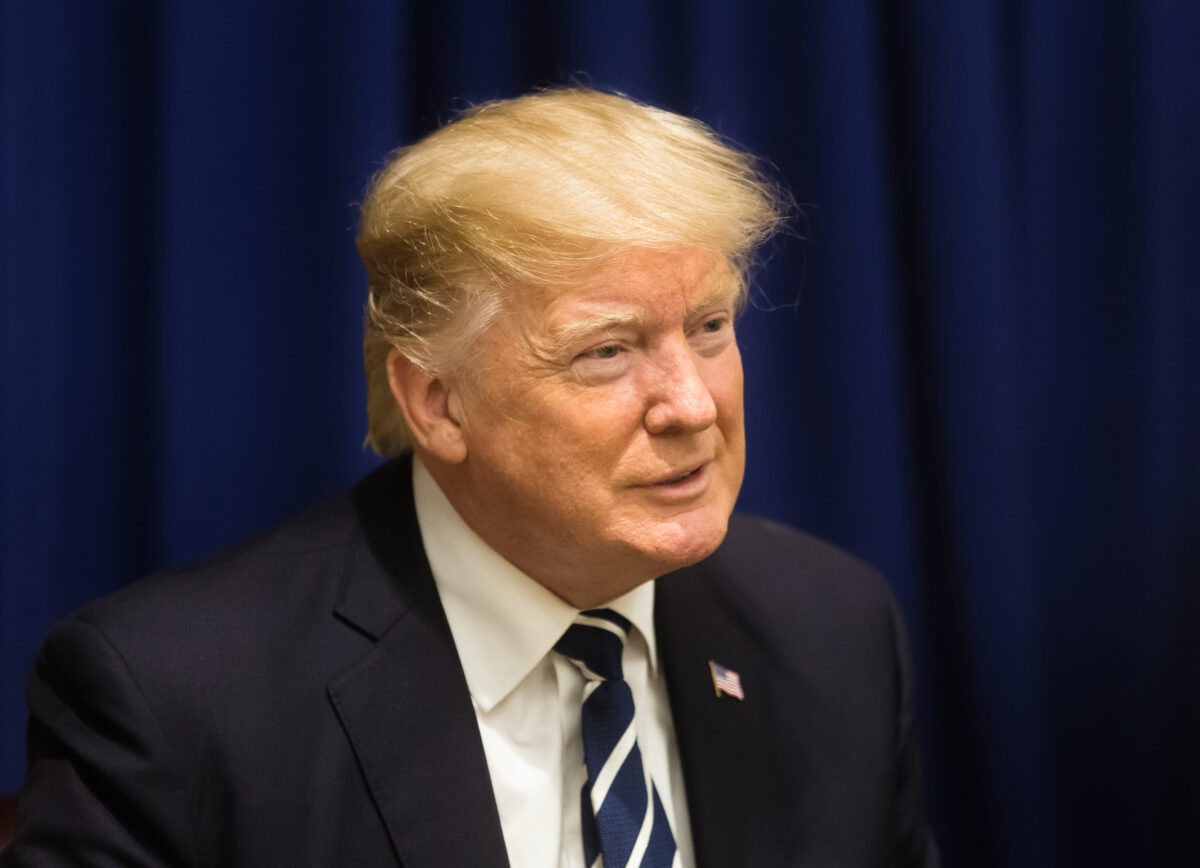
Trump has remained one of the strongest symbols of American opposition among Iran’s hardline factions.
The roots of the hostility go back to January 2020, when a U.S. drone strike killed Qassem Soleimani, one of Iran’s most powerful military figures and a key architect of Tehran’s regional strategy.
That event created a revenge narrative that continued for years and became a recurring theme in Iranian political messaging.
The timeline shows how the conflict developed:
In 2020, Soleimani’s death triggered demands for retaliation from Iranian officials and supporters. Over the following years, hardline groups repeatedly referenced revenge against American leaders. After Khamenei’s death, that anger became connected to a new political crisis. Today, Trump remains a central figure in Iran’s anti-American rhetoric.
For Iran’s hardliners, Trump represents more than a former or current U.S. leader. He represents policies they believe damaged Iran’s influence and challenged its position in the region.
Trump’s Turkey Visit Added Another Security Challenge
The timing of the threats became even more significant because Trump was traveling in Ankara, Turkey, when the controversy intensified.
Turkey’s location makes the situation strategically important. The country sits between Europe and the Middle East, is a NATO member, and shares regional security concerns with both Western allies and neighboring countries.
Protecting an American president overseas requires cooperation between multiple agencies, including U.S. security teams and officials from the host nation.
The situation also placed Turkey in a complicated diplomatic position. Ankara maintains relationships with Western governments while also maintaining communication channels with Tehran.
The result was an unusual combination of events: a NATO gathering, a presidential visit, a regional military crisis, and public threats against a U.S. leader happening simultaneously.
Strait of Hormuz Crisis Raises Global Economic Concerns
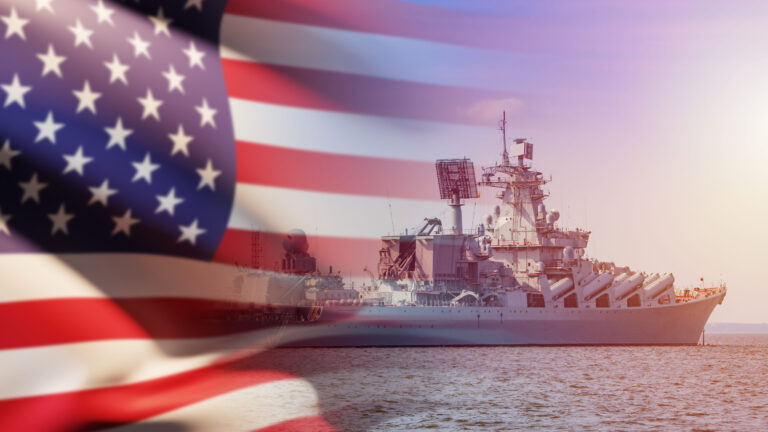
The Trump-Iran dispute is unfolding amid a broader military crisis in the Strait of Hormuz, one of the world’s most important shipping routes.
The waterway connects the Persian Gulf to international markets and plays a major role in global energy transportation.
The numbers show why the region matters:
Approximately 20% of global oil consumption has historically depended on energy passing through the Gulf region. Any major disruption could affect fuel prices, transportation costs, and economies worldwide.
A single military incident in the area can create immediate international concern because markets react quickly to fears about supply disruptions.
The danger is that military action, political threats, and retaliatory campaigns can create a cycle in which both sides continue to escalate even when neither wants a larger war.
What Americans Should Watch as Tensions Continue
The next stage of the crisis will depend on whether the threats remain political messaging or develop into something more serious.
One possibility is continued psychological and political warfare. Iran’s hardliners may continue using aggressive statements and media campaigns to pressure Washington without directly moving toward a wider conflict.
Another possibility is increased security precautions around Trump and other American officials. Threats against a sitting U.S. president are treated as major national security concerns regardless of whether they come from official government statements or political factions.
A third possibility is renewed diplomacy. Even during moments of extreme tension, countries often maintain private communication because both sides understand that uncontrolled escalation could create consequences far beyond their borders.
A Crisis Built on Decades of Conflict
The threat against Trump is not simply another angry headline. It represents the latest chapter in a confrontation between Washington and Tehran that has lasted for more than 40 years.
The current crisis combines one major leadership transition in Iran, one American president viewed as a major adversary, two governments exchanging hostile messages, and decades of unresolved political conflict.
The greatest danger is not only what leaders say publicly. The real risk comes when military actions, emotional revenge campaigns, and political pressure begin moving together.
For now, the world is watching one critical question: will this remain a battle of threats and headlines, or will another mistake push the United States and Iran toward a far more dangerous confrontation?