Iran Warns Gulf Energy Fields Could Burn if U.S. Launches Fresh Attacks
A new American strike on Iran could ignite far more than another round of military retaliation. Tehran has warned that oil and gas facilities across the Middle East may become targets, placing some of the world’s most important energy infrastructure in the path of an expanding war.
Iran issued the warning as President Donald Trump considered renewed attacks on Iranian targets. The threat raised fears that a confrontation between Washington and Tehran could spread into Saudi Arabia, the United Arab Emirates, Qatar and Israel.
Although Trump later said he would pause the planned U.S. attack while negotiators pursue a deal, the crisis remains dangerously unsettled. The military option is still available, Iranian forces remain on alert and commercial shipping continues to face serious risks around the Persian Gulf.
Tehran Draws a Fiery Red Line
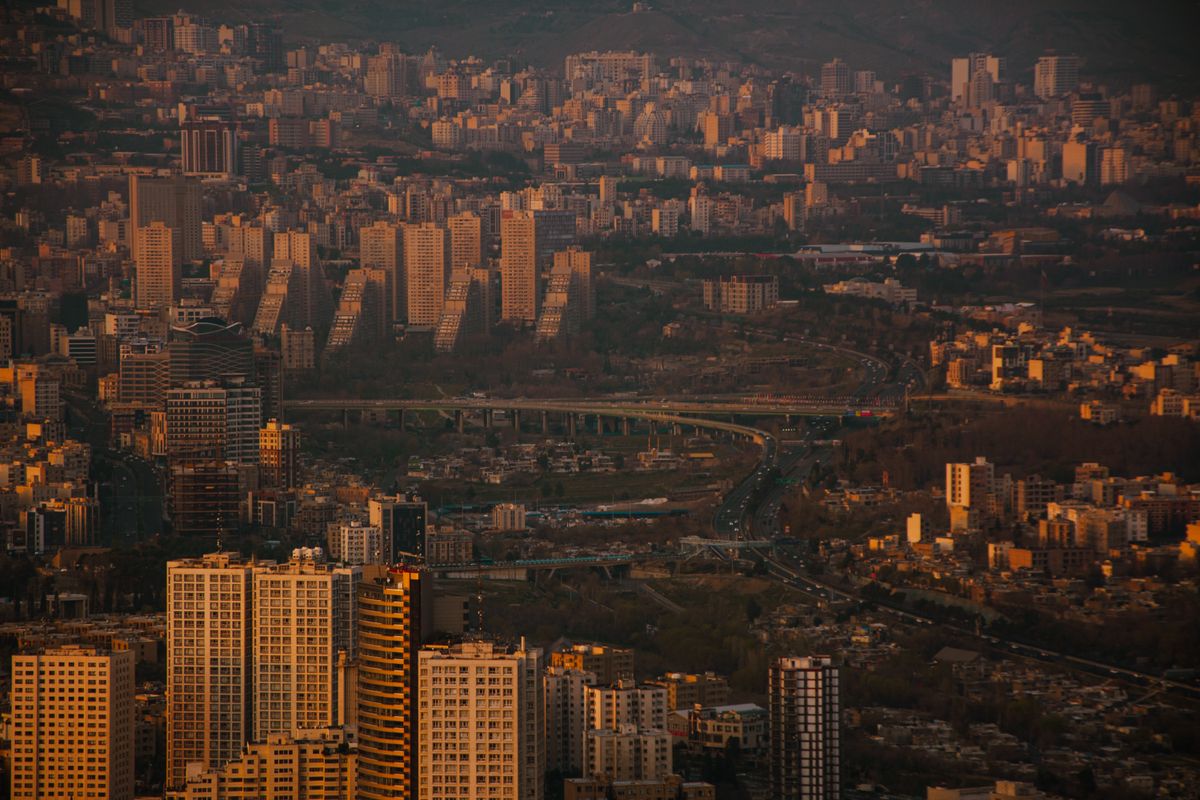
Iranian Foreign Minister Abbas Araqchi warned that his country would respond decisively to any new American “aggression.” He delivered the message during separate telephone conversations with senior officials from Turkey, Pakistan and Saudi Arabia.
Araqchi told Pakistani Army Chief Field Marshal Asim Munir and Turkish Foreign Minister Hakan Fidan that fresh military action could deepen regional instability. He later warned Saudi Foreign Minister Prince Faisal bin Farhan that Iran would deliver a “proportionate response” to attacks by the United States or Israel.
His message also extended to countries that might help Washington or Tel Aviv. Gulf governments hosting American forces could therefore find themselves caught between their security relationship with the United States and Iran’s ability to attack nearby infrastructure.
The most severe warning appeared through Nournews, an outlet affiliated with Iran’s top security establishment. The outlet said an American assault on Iran’s energy facilities could prompt attacks on Saudi and Emirati oil fields, Qatari gas installations and Israeli energy sites.
The statement described a regional inferno in blunt terms, warning that the targeted facilities could be reduced to ashes. It was unclear whether the language represented an approved military plan or an effort to deter Washington through fear of economic devastation.
Either way, the targets named by Nournews sit at the heart of the global energy system. Damage to even a few of them could affect fuel supplies and consumer prices thousands of miles from the battlefield.
Trump’s Threat Gives Way to a Fragile Pause
Trump initially signaled that another round of American strikes was likely. During a cabinet meeting at Camp David, he accused Tehran of repeatedly breaking its commitments and said the United States could hit Iran again.
The president also expressed confidence that American negotiators could still produce an agreement. The team reportedly includes Secretary of State Marco Rubio, special envoy Steve Witkoff and Trump’s son-in-law, Jared Kushner.
The language shifted after Trump spoke with Saudi Crown Prince Mohammed bin Salman. Saudi Arabia’s state news agency said the crown prince emphasized the need to prioritize dialogue and reduce tensions across the region.
Trump later announced that the United States would hold off on its planned attack if negotiators could reach an agreement quickly. He said Iran and other Middle Eastern countries had requested more time to pursue a framework.
The proposed agreement would include the complete reopening of the Strait of Hormuz and measures intended to end Iran’s nuclear threat. Iran has repeatedly denied that it is seeking to build a nuclear weapon.
Trump said Israel supported the diplomatic effort. However, his decision was conditional, meaning the possibility of American military action remains alive if negotiations collapse.
The Strait Holding the World Economy Hostage
The Strait of Hormuz is a narrow waterway with enormous economic power. Before the war, approximately 20 percent of the world’s oil and liquefied natural gas passed through it.
Iran has largely restricted traffic through the strait since the conflict intensified. The threat of missile, drone and maritime attacks has discouraged commercial shipping, raised insurance costs and disrupted established supply routes.
These dangers are no longer theoretical. The United Kingdom Maritime Trade Operations reported two incidents near Oman, including one in which an unknown projectile struck a tanker and damaged its engine room.
The captain of another tanker reported seeing an explosion and a large splash close to the vessel. That ship did not report damage, but the incident added to the uncertainty surrounding commercial traffic in the region.
Kuwait also reported hostile drones near important facilities. Its military said falling debris damaged a government site in northern Kuwait and civilian property on Bubiyan Island, although no casualties were recorded.
Each incident increases the possibility of a wider confrontation. A strike on a tanker, a drone traveling off course or a mistaken accusation could trigger retaliation before investigators establish what happened.
Oil Markets Are Already Feeling the Heat
Energy prices have remained elevated since American and Israeli forces began striking Iran on February 28. Benchmark Brent crude futures climbed 24 percent in July, according to the Reuters report.
Further attacks on production fields, processing plants or export terminals could produce a much sharper increase. Saudi Arabia and the United Arab Emirates are major oil suppliers, while Qatar is one of the world’s leading exporters of liquefied natural gas.
The consequences would reach ordinary households quickly. Higher crude prices tend to increase the cost of gasoline, aviation, manufacturing, food production and the transportation of consumer goods.
American drivers may first notice the crisis at gas stations, but the financial effects would not end there. Airlines could increase fares, delivery companies could raise fees, and businesses could pass higher operating costs to consumers.
Trump has argued that preventing Iran from developing nuclear weapons justifies temporary increases in fuel prices. Yet the longer the conflict continues, the more difficult that argument may become for households already struggling with the cost of living.
That economic pressure gives Tehran leverage. By threatening regional energy infrastructure, Iran is effectively warning that a new attack will come with a global price tag.
Gulf Allies Stand in the Line of Fire
The Iranian warning creates an uncomfortable dilemma for Gulf governments. Many rely on American weapons, intelligence and military protection, but their cities and energy facilities remain within range of Iranian missiles and drones.
Saudi Arabia has invested heavily in expanding its economy beyond oil. A prolonged conflict could disrupt those plans by frightening investors, reducing tourism and forcing the government to spend more on security.
The United Arab Emirates faces similar exposure. Its position as a center for aviation, trade and finance depends on regional stability and confidence in the safety of its infrastructure.
Qatar’s gas facilities are particularly important because they supply customers in Asia and Europe. An interruption could intensify competition for alternative energy sources and place additional pressure on electricity prices.
Iran’s warning may be designed to push these governments away from supporting another American assault. Tehran is telling Washington’s partners that cooperation could make their most valuable assets targets.
Saudi Arabia’s appeal for dialogue suggests that the threat has been taken seriously. Gulf leaders have strong reasons to prevent their territory from becoming the next battlefield.
A Second Chokepoint Adds to the Danger
The Strait of Hormuz is not the only energy corridor facing disruption. Iran’s Houthi allies in Yemen have also threatened vessels around the Bab el-Mandeb, which connects the Red Sea to the Gulf of Aden.
The passage sits near the southern route to the Suez Canal. It carries Saudi crude, commercial cargo and other vital shipments moving between Asia and Europe.
Simultaneous disruption around Hormuz and Bab el-Mandeb would squeeze energy traffic from two directions. Ships may be forced to take longer routes, adding days to voyages and increasing fuel, insurance and labor costs.
The danger illustrates how a regional war can spread without armies crossing borders. Missiles, drones and maritime attacks can turn distant shipping lanes into extensions of the battlefield.
Israel Keeps Its Finger Near the Trigger
Israel has made clear that diplomacy will not erase its concerns about Iran. Israeli Energy Minister Eli Cohen said his government continues to coordinate closely with the United States on regional intelligence and security.
Cohen warned that Israel could strike if Iran attempted to rebuild its nuclear program or advance its ballistic missile capabilities. His statement revealed one of the greatest weaknesses facing any new agreement.
Even if Washington and Tehran reach a temporary understanding, Israel may act independently if it believes Iran has crossed a security threshold. An Israeli strike could restart Iranian retaliation and pull American forces back into direct combat.
A durable agreement must therefore do more than postpone attacks. It would need enforceable provisions covering nuclear activities, missile development, shipping security and attacks by armed groups aligned with Tehran.
Diplomacy Has Interrupted the Countdown
Trump’s decision to pause fresh strikes has provided the region with breathing room, but it has not delivered peace. Iran remains prepared to retaliate, Israel has preserved its freedom to attack, and global shipping continues to navigate a landscape filled with uncertainty.
The immediate test will be whether negotiators can reopen the Strait of Hormuz and establish restrictions that all sides consider credible. Success could ease pressure on oil prices and reduce the danger facing Gulf energy facilities.
Failure could return the region to the edge within days. Washington has kept military force on the table, while Tehran has made clear that another attack may bring other countries’ energy assets into the war.
The world is now watching a narrow diplomatic window open over an increasingly crowded battlefield. Whether leaders step through it or allow it to close could determine the future of the Middle East and the price millions of families pay to fuel their daily lives.