8 Holiday Foods Grandma Made Only Once a Year
Some foods were simply too special, too much work or too tied to tradition to make more than once a year. In Grandma’s kitchen, those dishes appeared only during the holidays, and their arrival signaled that the season had truly begun. The smell alone could send the whole family rushing to the kitchen.
Many of these dishes took days to prepare, required ingredients that were only in stores around the holidays or simply belonged to one specific celebration. Making them in July would have felt wrong. Their once-a-year status made them all the more precious, and families counted down the days until Grandma started cooking.
If you grew up visiting Grandma at Thanksgiving or Christmas, you probably remember a few of these. Here are holiday foods Grandma made only once a year, and why they meant so much.
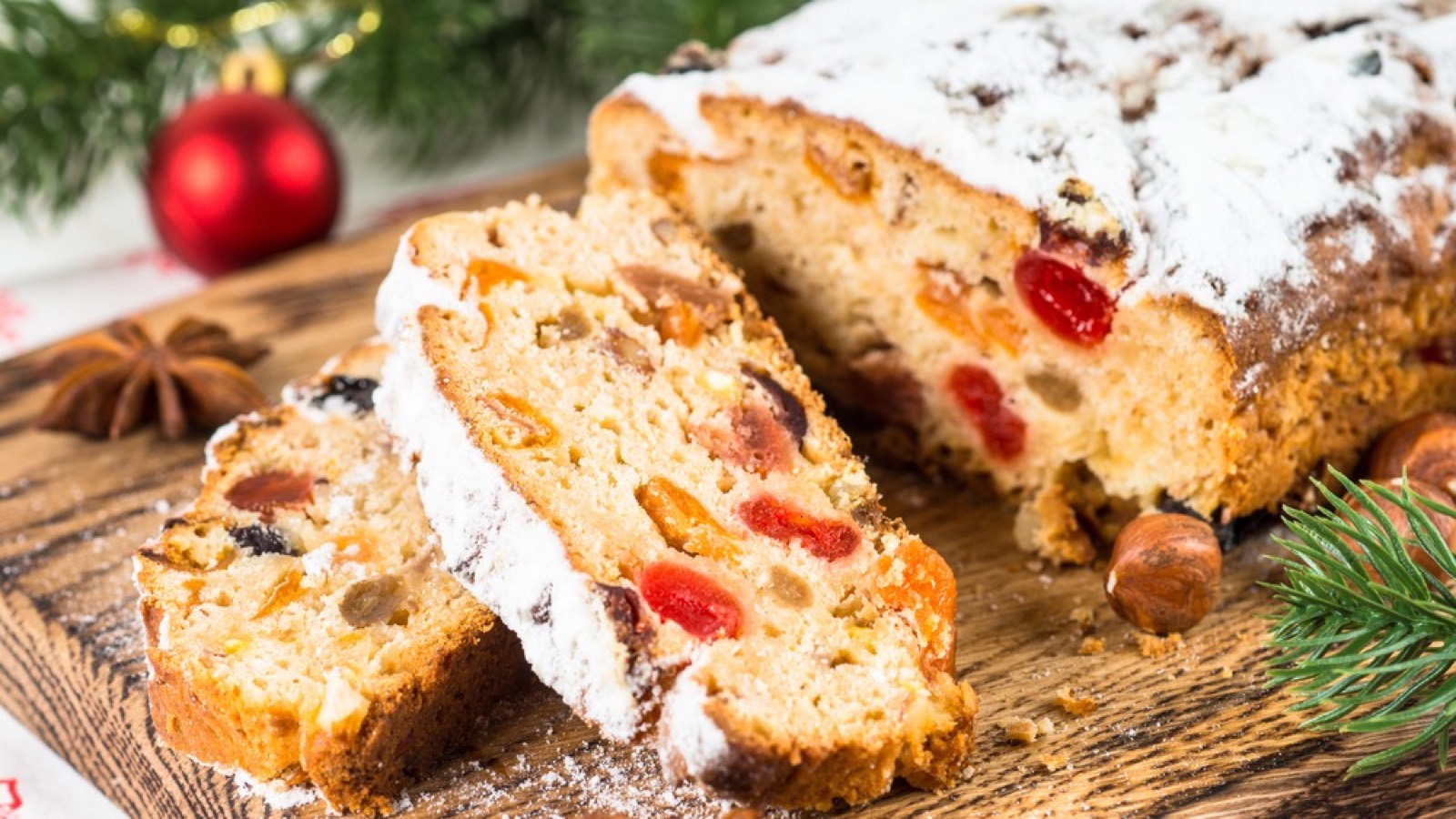
1. Homemade Fruitcake
Grandma’s fruitcake was a project that started weeks before Christmas. She chopped candied cherries, citron and pineapple, mixed them with nuts and spices and baked dense loaves that were often wrapped in cheesecloth soaked in brandy or rum. The cakes aged in tins for weeks, getting richer over time.
Fruitcake has become the butt of many holiday jokes, but a homemade version was a very different thing from the dry store-bought kind. Families who grew up with Grandma’s fruitcake often defend it fiercely. Its long history as a holiday tradition goes back centuries.
2. Mincemeat Pie
Mincemeat pie was once a holiday staple in many American homes. Traditional mincemeat was a spiced mixture of chopped fruit, suet and sometimes meat, along with raisins, apples and warm spices. Grandma might have made her own or used a jarred version, baking it into a double-crust pie for Thanksgiving or Christmas.
Today, mincemeat pie has become much less common, and many younger people have never tried it. But for older generations, it was as essential to the holidays as pumpkin pie. Some families still keep the tradition alive with a recipe passed down for generations.
3. Oyster Dressing
In many families, especially along the coasts and in the South, Grandma’s oyster dressing was a Thanksgiving must. Fresh oysters were folded into bread or cornbread stuffing with celery, onions and herbs, then baked until golden. It had a rich, briny flavor unlike any other side dish.
Oysters were plentiful and affordable in earlier generations, which made oyster dressing a natural holiday dish. Today, it’s less common, but families who grew up with it often insist the holiday table isn’t complete without it.
4. Divinity and Holiday Candies
Grandma’s holiday candy-making was an annual ritual. Divinity, a fluffy white candy made with whipped egg whites and hot sugar syrup, was tricky to make and often attempted only once a year. Many grandmothers waited for a dry day, believing humidity would ruin a batch.
Alongside divinity, Grandma might have made fudge, peanut brittle, pralines or chocolate-covered treats. These candies filled tins that were shared with neighbors, church friends and visiting relatives. The once-a-year candy session was a highlight for grandchildren who got to help.
5. Standing Rib Roast or Holiday Ham
For many families, Christmas dinner meant a special cut of meat that was too expensive for everyday meals. A standing rib roast, glazed ham or crown roast of pork appeared only once a year. Grandma prepared it carefully, often following a method she had perfected over decades.
These roasts were the centerpiece of the holiday table. Carving the roast was often a ceremony, handled by Grandpa or the oldest son. The leftovers turned into sandwiches, soups and casseroles for days afterward.
6. Homemade Eggnog
Some grandmothers made eggnog from scratch, whisking eggs, sugar, milk and cream with a sprinkle of nutmeg. Adults sometimes added a splash of bourbon or rum. Homemade eggnog was rich, creamy and nothing like the cartons sold in stores today.
Eggnog was strictly a holiday drink in most homes. It was served at Christmas parties, on Christmas Eve and during visits from friends. Many families still associate the taste of nutmeg with Grandma’s kitchen during the holidays.
7. Cranberry Relish Made From Scratch
While canned cranberry sauce became common in many homes, some grandmothers insisted on making fresh cranberry relish. They ground raw cranberries with oranges and sugar in a hand-cranked food grinder, creating a bright, tangy relish that was served cold.
The food grinder often came out only once a year for this purpose. Grandchildren loved turning the crank and watching the bright red relish come out. For families who grew up with it, the jellied canned version just isn’t the same.
8. Ethnic Holiday Specialties
Many grandmothers made holiday specialties from their family’s heritage. Polish grandmothers made pierogi for Christmas Eve, Italian grandmothers prepared the Feast of the Seven Fishes, Scandinavian grandmothers baked lefse and krumkake, and Mexican grandmothers made tamales. These dishes were often reserved for the holidays alone.
These traditional foods connected families to their roots and to relatives who came before them. Making them was often a group effort, with daughters and granddaughters learning techniques by working alongside Grandma. Many families still gather each year to make these dishes together.
Christmas Cookies by the Dozen
Many grandmothers also baked dozens of special Christmas cookies that appeared only in December. Spritz cookies, pressed into wreaths and trees, sugar cookies cut into stars and bells, and spiced molasses cookies filled tins stacked on every counter. Some grandmothers baked for weeks, freezing batches ahead of time.
Why Once a Year Made Them Special
Part of what made these foods so meaningful was their rarity. Because they appeared only during the holidays, they became tied to memories of family gatherings, decorations and celebrations. Tasting them each year brought back all those memories at once.
Many of these dishes were also labor-intensive. Grandma didn’t have time to make fruitcake, divinity or homemade eggnog every week. Saving them for the holidays made them feel like a gift to the whole family.
Keeping Grandma’s Recipes Alive
Many families have lost holiday recipes because nobody wrote them down. Grandma often cooked by memory and feel, measuring with her hands rather than measuring cups. Today, many grandchildren make a point of learning these recipes while they still can.
If your family has a once-a-year holiday dish, consider writing down the recipe this season or cooking it alongside the person who makes it. Like the handwritten recipe cards many families treasure, these recipes carry generations of love and tradition.